Autism, as I’ve seen firsthand in my work, can vary widely from one child to the next. One day, I’m helping a highly verbal kid who needs some help with social skills. The next day, I work with a child who communicates mostly through gestures. The complexity and diversity of autism are what make it so important for parents like you to understand the different levels. So, how many levels of autism are there? Simply put, autism is categorized into three levels, with each level indicating the amount of support a child needs. Whether your child needs minimal support or more extensive assistance, understanding these levels can help you find the right resources and strategies to support their growth. This article will dive into each level, its meaning, and how it impacts daily life.
Table of Contents
What Are the Three Levels of Autism?
When talking about autism, professionals often refer to three levels. These levels are part of the Diagnostic and Statistical Manual of Mental Disorders, Fifth Edition (DSM-5), which is the guide clinicians use to diagnose autism. Each level represents a different degree of support required by the individual. Here’s a closer look at each one:
Level 1: Requiring Support
Level 1 is often where you’ll find kids described as “high-functioning.” But it’s important to remember that even kids in this category still face challenges. They might be able to communicate verbally and perform daily tasks with some independence. Still, they struggle with social interactions and may find it hard to adjust to changes in routine. For instance, a child at this level might do well in a structured classroom but struggle with the unpredictability of recess or social gatherings.

The key thing to remember about Level 1 is that these kids need support. Still, the level of support might vary depending on the situation. Social skills training, behavioral therapy, and a structured environment can make a significant difference in helping them navigate their world.
Level 2: Requiring Substantial Support
Kids at Level 2 need more substantial support. They might have some verbal communication skills but often struggle to initiate and sustain conversations. Social interactions can be particularly challenging, and they might display more repetitive behaviors or have a more rigid adherence to routines. A child at Level 2 might need more help in a school setting, requiring a classroom aide or a specialized learning plan.
One common characteristic of Level 2 is difficulty coping with change. For example, a change in the daily routine, such as a substitute teacher, could be very distressing for a child at this level. To help them succeed, interventions might include more intensive behavioral therapies, structured environments, and consistent routines.
Level 3: Requiring Very Substantial Support
Level 3 is where kids require the most significant support. These children often have severe communication difficulties, sometimes nonverbal. They may rely on alternative communication methods like picture boards or sign language. Social interactions are minimal, and they may engage in repetitive behaviors that can interfere with their ability to function daily.

For these kids, the focus is often on helping them communicate their needs and ensuring their environment is as predictable and supportive as possible. Specialized programs, one-on-one support, and intensive therapy are usually necessary to help them achieve their fullest potential.
Understanding the Impact of Autism Levels
It’s crucial to understand that these levels are not static; they don’t define your child forever. A child might require more support at certain times and less at others. For instance, a child who is generally Level 1 might experience increased anxiety in new situations, temporarily requiring Level 2 support. This flexibility is why continuous assessment and adjustment of support strategies are so important.
Moreover, focusing on your child’s strengths and not just their challenges is essential. Every child with autism has unique abilities and interests that can be nurtured. By understanding their specific support needs, you can better advocate for the resources and interventions to help them thrive.
How to Support Your Child Based on Their Autism Level
Supporting a child with autism means meeting them where they are and providing the right tools to help them succeed. Here’s how you can support your child based on their autism level:
For Level 1
- Encourage social skills through structured play dates or group activities.
- Use visual schedules to help them navigate daily routines.
- Incorporate their interests into learning activities to keep them engaged.

For Level 2
- Work closely with educators to develop an Individualized Education Program (IEP) that meets their needs.
- Use clear and consistent communication methods, possibly including visual aids.
- Provide a calm and predictable environment to help them manage anxiety.
For Level 3
- Consider speech therapy or alternative communication methods to help them express their needs.
- Ensure they have a structured routine with minimal unexpected changes.
- Provide one-on-one support during activities to help them feel secure and understood.
Common Misconceptions About Autism Levels
There are several misconceptions about the levels of autism that can lead to misunderstandings or unrealistic expectations. One common misconception is that kids with Level 1 autism don’t need much support. However, even those who are highly verbal or academically successful might struggle with social interactions and anxiety.
Another misconception is that the level of autism is fixed. As I mentioned earlier, a child’s needs can change over time, and it’s essential to reassess and adjust support as they grow and develop. By dispelling these myths, we can better support our kids in the ways they truly need.
What Should Parents Do If They’re Unsure About Their Child’s Level?
If you’re unsure about where your child falls on the autism spectrum, the best first step is to consult with a specialist. A developmental pediatrician or a child psychologist can provide a comprehensive assessment to help you understand your child’s unique needs. You can develop a plan from there with the right therapies, educational strategies, and home support.
Goally is a valuable resource for clinicians who are looking for ways to support children with speech and language problems.
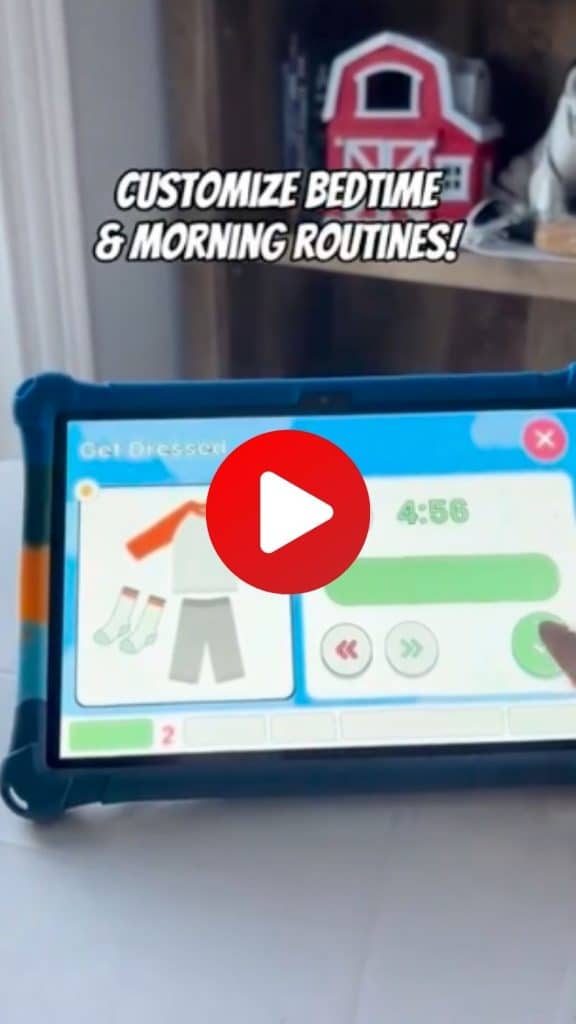
- Individualized Instruction. Goally can be easily customized to meet the specific needs of each child supporting the skills that they need most, at each child’s own pace.
- Increased Engagement. Goally is a fun and interactive tool that can help children stay engaged while learning.
- Improved Communication. Goally helps children learn to effectively communicate wants and needs, and allows children to participate in the world around them.
- Bonus: Goally’s Core Word Lessons teaches kids their first 50 words through video modeling and interactive practice.
Goally’s distraction-free kid’s tablet can be used as a therapy tool to help teach executive function, language, emotional regulation, finger dexterity skills, and more!
Remember, you’re not alone in this journey. There are countless resources, support groups, and professionals ready to help you and your child navigate the complexities of autism. By understanding the levels of autism and what they mean, you can better advocate for your child and help them reach their full potential.
Helpful Resources
FAQ’s About How Many Levels of Autism Are There?
What are the levels of autism?
Autism is categorized into three levels, each indicating the amount of support a child needs.

How is Level 1 autism different from Level 2?
Level 1 autism requires some support, while Level 2 autism requires more substantial support in daily activities.

What does Level 3 autism mean?
Level 3 autism indicates a need for very substantial support due to severe communication and behavioral challenges.

Can a child's autism level change over time?
Yes, a child's autism level can change as their needs and abilities evolve.

Emily is a seasoned blog writer for Goally, leveraging her extensive background in child psychology and special education to provide valuable insights and resources for parents. Her commitment to understanding and addressing the unique needs of these children, combined with her expertise in educational strategies, makes her a credible and empathetic voice for families.