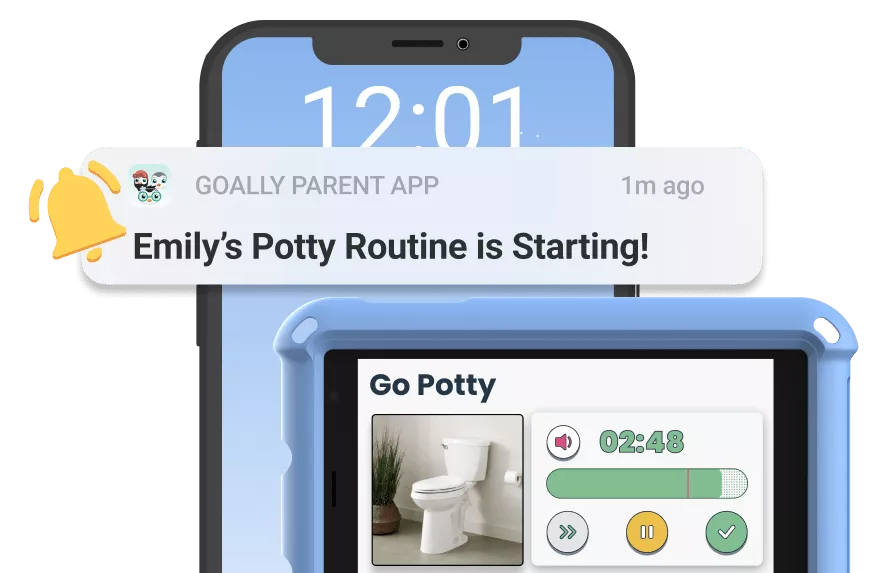
High-tech assistive technology includes advanced tools that help kids with special needs communicate, learn, and navigate daily life. These devices range from speech-generating apps to adaptive keyboards, making tasks easier for neurodivergent kids. Let’s explore the best options and how they can support your child.
Key Takeaways:
- High-tech assistive technology includes speech devices, adaptive tools, and smart apps.
- These tools support kids with autism, ADHD, and learning disabilities in communication, organization, and independence.
- Parents can choose from free and paid options depending on their child’s needs.
- Schools and insurance may cover some high-tech assistive technology.
Table of Contents
What Is High-Tech Assistive Technology?
High-tech assistive technology includes digital devices and software that help kids with special needs interact with the world. Unlike low-tech options like visual schedules or fidget tools, these solutions use advanced features like AI, voice recognition, and real-time feedback.
Examples of High-Tech Assistive Technology
Assistive technology comes in many forms, each designed to address different needs. Here are some of the most effective tools available:
- Speech-generating devices (SGDs): Help nonverbal kids communicate through text-to-speech.
- Adaptive keyboards and mice: Designed for kids with motor skill challenges.
- Screen readers: Read digital text aloud for kids with visual impairments or dyslexia.
- Smart apps: Tools like Goally’s AAC app assist kids in building communication skills.
These technologies provide kids with greater independence and accessibility, helping them navigate daily tasks with confidence.

Read more: What Helps With ADHD Meltdowns?
Who Benefits from High-Tech Assistive Technology?
Many kids with learning and thinking differences benefit from these tools. Some of the most common groups include:
- Kids with autism: AAC apps and visual timers help with communication and routines.
- Kids with ADHD: Organizational apps and focus tools improve attention.
- Kids with dyslexia: Text-to-speech software makes reading easier.
No matter your child’s needs, the right tools can make learning more accessible and enjoyable.
Best High-Tech Assistive Technology for Kids
Speech and Communication Tools
- Proloquo2Go: A customizable AAC app that helps nonverbal kids express themselves.
- Goally: A tablet with built-in AAC tools and visual schedules for neurodivergent kids.
Learning and Reading Assistance
- Read&Write: Helps kids with dyslexia by reading text aloud.
- Dragon NaturallySpeaking: Converts speech to text for kids who struggle with writing.
Organization and Time Management
- Time Timer: A visual timer that helps kids manage transitions.
- Choiceworks: A visual schedule app that helps kids plan their day.
How to Choose the Right Assistive Technology
Every child has unique needs, so picking the right tool is key. Here’s how to decide:
- Identify challenges: Does your child struggle with communication, reading, or focus?
- Test different tools: Many apps offer free trials to see what works best.
- Talk to teachers and therapists: They can recommend tools based on your child’s learning style.
Finding the right support takes some trial and error, but the right tool can make a big difference.

Read more: What Are the Types of AAC?
How to Access High-Tech Assistive Technology
Many assistive tools are available through different funding sources:
- School accommodations: Some tools are provided under IEPs and 504 plans.
- Insurance coverage: Check if speech devices and apps are covered.
- Nonprofits and grants: Organizations like Easterseals offer funding options.
Exploring these options can help make assistive tools more accessible. Take the time to research what’s available—you might be surprised at the support out there.
Goally | Apps To Support Child Development
Looking for fun ways to help your child learn life skills? Try Goally! The Goally tablet comes with award-winning learning apps and video classes to help kids develop the skills they need to become independent with FUN & evidence-based practices.

Our apps teach executive function, language, emotional regulation, finger dexterity skills, and more.
As your child develops new skills, you can increase the difficulty level of the tasks in the app to challenge and motivate them even further. This helps your child grow and progress at their own pace, while also keeping them engaged and excited about their development.
High-tech assistive technology makes life easier for kids with thinking and learning differences. Whether your child needs help communicating, reading, or staying organized, the right tool can make all the difference. Explore your options, test different solutions, and find what works best for your child’s unique needs.
Resources:
- American Speech-Language-Hearing Association
- Assistive Technology Industry Association
- Understood.org
FAQs About High Tech Assistive Technology
How do emotional regulation apps benefit children with ADHD?
Emotional regulation apps help children with ADHD by teaching them coping strategies, self-awareness, and mindfulness techniques to manage their emotions and improve their overall well-being.
What types of rewards are effective for children with ADHD?
Effective rewards for children with ADHD include immediate, tangible incentives such as stickers, small toys, or extra screen time, as well as praise and positive reinforcement for their efforts and achievements.
How can assistive technology improve academic performance for children with ADHD?
Assistive technology can improve academic performance for children with ADHD by providing tools that help with organization, time management, focus, and self-regulation, ultimately leading to increased success in school.
What are some examples of high-tech assistive technology for children with ADHD?
Examples of high-tech assistive technology for children with ADHD include digital visual schedules, emotional regulation apps, text-to-speech software, and specialized note-taking apps that help with organization and focus.
How can parents support their child's use of assistive technology at home?
Parents can support their child's use of assistive technology at home by learning about the tools, helping their child integrate them into daily routines, and providing encouragement and reinforcement for their efforts.
This post was originally published on 04/18/2023. It was updated on 03/04/2025.

Emily is a seasoned blog writer for Goally, leveraging her extensive background in child psychology and special education to provide valuable insights and resources for parents. Her commitment to understanding and addressing the unique needs of these children, combined with her expertise in educational strategies, makes her a credible and empathetic voice for families.