Working with kids, especially neurodivergent ones, has taught me the importance of sensory regulation. It’s essential for their growth and daily functioning. Sensory regulation activities can make a big difference, helping kids manage their emotions and behaviors. In this blog, I’ll share some fantastic sensory regulation activities for kids, explaining their benefits and how to incorporate them into your child’s routine. By the end, you’ll have a toolkit of activities to support your child’s sensory needs.
Table of Contents
1. Sensory Bins
Sensory bins are a versatile and engaging way for kids to explore different textures and objects. Fill a bin with rice, beans, or sand, and add small toys or tools for digging and scooping. This activity helps improve fine motor skills and provides a calming sensory experience.
2. Weighted Blankets
Weighted blankets provide deep pressure stimulation, which can be very calming for kids. These blankets help reduce anxiety and improve sleep by creating a sense of security and comfort.
Goally | The Tablet for Neurodiverse Kids
3. Yoga and Stretching
Yoga and stretching exercises are great for helping kids with body awareness and relaxation. Simple poses like child’s pose, cat-cow, and butterfly can be fun and beneficial for kids, promoting physical and mental well-being.
4. Tactile Play
Playing with playdough, slime, or kinetic sand can be soothing for kids. These tactile experiences help with sensory integration and fine motor development.
5. Movement Breaks
Incorporating movement breaks throughout the day can help kids regulate their energy levels. Activities like jumping jacks, dancing, or running outside can re-energize and refocus them.

Read more: What Does Sensory Friendly Mean?
6. Listening to Music
Music can be a powerful tool for sensory regulation. Create playlists with calming or upbeat songs, depending on your child’s needs. Singing along and dancing can also be great sensory activities.
7. Visual Schedules
Visual schedules help kids understand their daily routines, reducing anxiety and improving transitions between activities. Use pictures or icons to represent each part of the day, making it easier for kids to follow along.
Build Custom Printable Visual Schedules
Is your child having trouble managing their routines? Here’s a free visual schedule builder. Goally’s custom tool allows you to create printable personalized schedules that motivate your child to focus on their tasks. Perfect for morning, homework, and bedtime routines, this free visual schedule builder is easy to use and will help your child reach their full potential.
Click below to make your CUSTOM printable visual schedule! 👇
8. Sensory-Friendly Spaces
Creating a sensory-friendly space in your home can provide a safe haven for your child. To create a calming environment, include soft lighting, comfortable seating, and sensory tools like fidget toys or a sensory swing.
Goally | Apps To Support Child Development
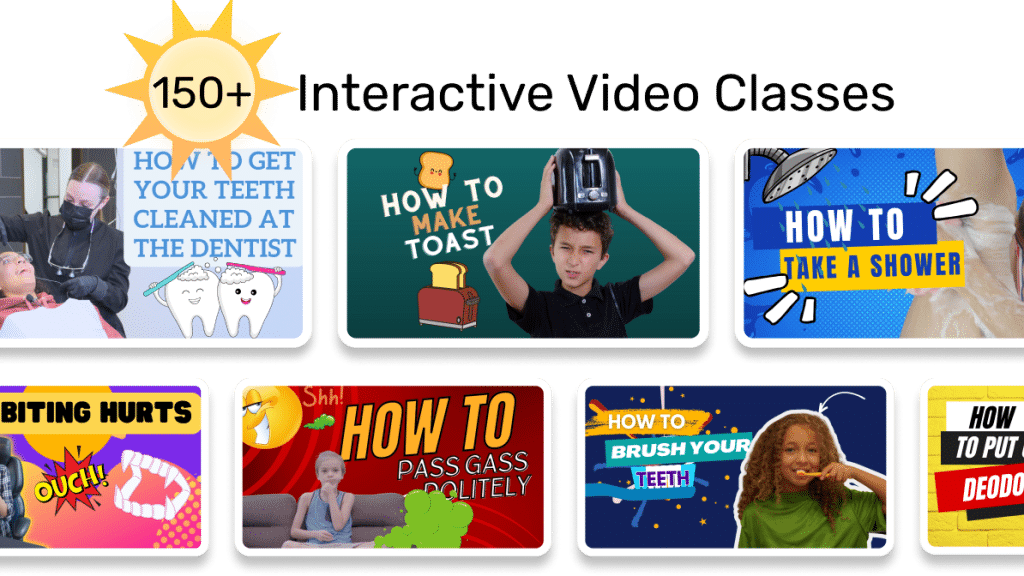
Looking for fun ways to help your child learn life skills? Try Goally! The Goally tablet comes with award-winning learning apps and video classes to help kids develop the skills they need to become independent with FUN & evidence-based practices.
Our apps teach executive function, language, emotional regulation, finger dexterity skills, and more.
As your child develops new skills, you can increase the difficulty level of the tasks in the app to challenge and motivate them even further. This helps your child grow and progress at their own pace, while also keeping them engaged and excited about their development.
Sensory regulation activities are vital to supporting your child’s development, especially for neurodivergent kids. Incorporating these activities into your daily routine can help your child manage their sensory needs and thrive.
Helpful Resources
FAQ’s About Sensory Regulation Activities
How can sensory regulation activities help neurodivergent kids?
Sensory regulation activities help neurodivergent kids manage their sensory input, leading to improved focus, reduced anxiety, and better emotional regulation.

What are some examples of sensory regulation activities for kids?
Examples of sensory regulation activities include using weighted blankets, sensory bins, yoga, tactile play, and listening to calming music.

Why are weighted blankets effective for sensory regulation?
Weighted blankets provide deep pressure stimulation, which can calm the nervous system and help kids feel more secure and relaxed.

How can yoga benefit kids with sensory processing issues?
Yoga helps kids with sensory processing issues by improving body awareness, promoting relaxation, and providing structured movement that can be soothing.

What is the purpose of creating a sensory-friendly space at home?
Creating a sensory-friendly space at home provides a safe, calming environment where kids can retreat to manage their sensory needs and reduce overstimulation.

Emily is a seasoned blog writer for Goally, leveraging her extensive background in child psychology and special education to provide valuable insights and resources for parents. Her commitment to understanding and addressing the unique needs of these children, combined with her expertise in educational strategies, makes her a credible and empathetic voice for families.