Have you ever noticed your child plugging their ears in the middle of their favorite store or bolting for the door when you’re out in public? As a practitioner who works with kids, I see this happen constantly. These are signs of sensory overload. Sensory-friendly means an event, business, or product has accommodations for people with sensory processing difficulties. Sensory-friendly environments are designed to be accessible from a sensory standpoint and to empower neurodivergent visitors to engage with the space.
Table of Contents
Sensory Friendly Meaning
Sensory processing allows us to take in and understand information that comes through our senses, both in our bodies and our environment. Sometimes, children (and adults!) who have sensory processing difficulties experience things more intensely, making everyday situations overwhelming. It’s helpful to think of sensory processing as a bit like a dial—some people have their dial turned up too high, while others have their dial turned down low.
For kids with sensory sensitivities, something as simple as a loud concert or the scratchy tag on a new sweater can feel unbearable. This may look like tantrums, meltdowns, or avoiding triggers altogether. But that doesn’t mean they have to miss out on the fun! That’s where the concept of “sensory-friendly” comes in.
Goally | The Tablet for Neurodiverse Kids

How to Create a Sensory-Friendly Environment
Sensory-friendly environments focus on adjusting elements that might be overwhelming. It may include some or all of these adaptations:
- Reduced Noise: Lowering background music, eliminating beeping noises, and providing noise-canceling headphones.
- Softer Lighting: Dimming the lights, avoiding fluorescent overhead lights, and adding lamps for a warm glow.
- Calming Colors: Using muted and neutral colors on walls and decor.
- Reduced Visual Clutter: Minimizing distractions and keeping things organized.
- Designated Quiet Spaces: Offering quiet areas to decompress and regain composure.
- Sensory Tools: Providing weighted blankets, fidgets, or other tools for self-regulation.
Benefits of Sensory-Friendly Environment
Sensory-friendly changes can improve comfort, enjoyment, and participation among children with sensory sensitivities. For example, a sensory-friendly performance might have a lower sound level, especially for startling or loud sounds. A movie theater might keep house lights on so it isn’t as dark and bright; blinking, flashing, or strobe lights are turned off.

Read more: Top 10 Sensory Friendly Movies
Examples of Sensory Sensitivities
It’s important to remember that not all sensory sensitivities are the same. While some children might be oversensitive to noise, others might find certain textures or smells triggering. Here are some examples of sensory sensitivity:
- Auditory (Sound): Difficulty tolerating loud noises, background music, or multiple people talking.
- Visual (Sight): Sensitivity to bright lights, fluorescent lights, flashing lights, or busy patterns.
- Tactile (Touch): Dislike of certain textures, tags on clothing, or tight-fitting clothes.
- Olfactory (Smell): Aversion to specific scents or strong odors.
- Proprioceptive (Movement): Difficulty with balance, coordination, or a sense of body awareness.
- Interoceptive (Internal body sensations): Sensitivity to hunger, thirst, needing to use the bathroom, or body temperature.
Sensory sensitivity can be associated with a wide range of conditions. Some examples of these include:
- Anxiety
- Autism
- Concussion
- Dementia
- PTSD
- Dizziness
- Nausea
- Discomfort
Sensory-Friendly Experiences
More and more businesses and organizations are recognizing the importance of being sensory-friendly. Here are some examples of sensory-friendly experiences you might encounter:
- Sensory-friendly movies: Shown with dimmer lights and reduced sound.
- Sensory-friendly stores: Offer designated quiet hours or special shopping times with fewer crowds and less noise.
- Sensory-friendly museums May provide sensory maps, quiet spaces, and sensory-friendly backpacks with calming tools.
- Sensory-friendly play spaces: Designed with soft surfaces, calming colors, and various sensory experiences.
Goally | Apps To Support Child Development
Looking for fun ways to help your child learn life skills? Try Goally! The Goally tablet comes with award-winning learning apps and video classes to help kids develop the skills they need to become independent with FUN & evidence-based practices.
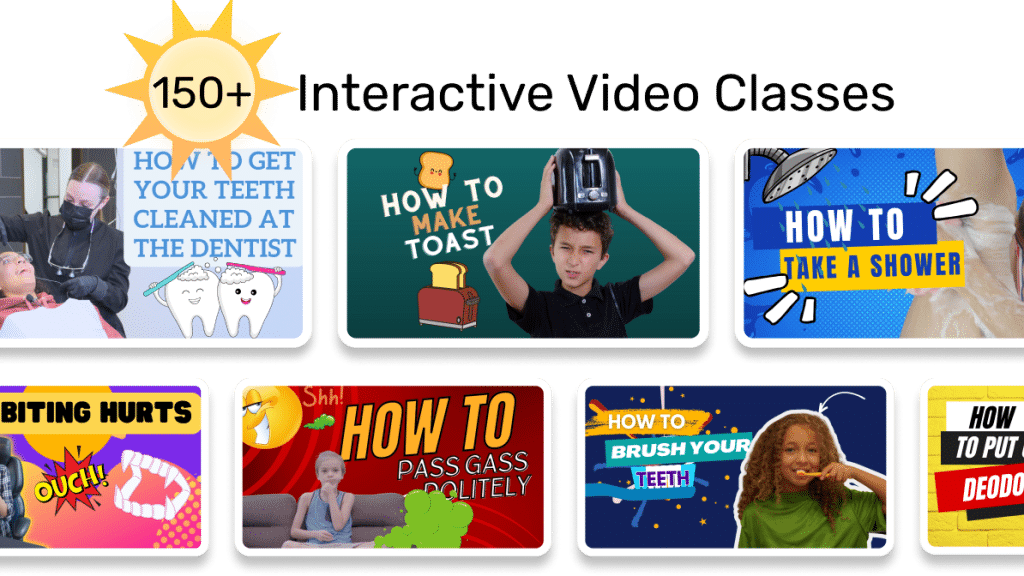
Our apps teach executive function, language, emotional regulation, finger dexterity skills, and more.
As your child develops new skills, you can increase the difficulty level of the tasks in the app to challenge and motivate them even further. This helps your child grow and progress at their own pace, while also keeping them engaged and excited about their development.
Sensory-friendly environments are a game-changer for kids (and adults!) with sensory processing differences. By understanding sensory sensitivities and making simple adjustments, we can create spaces where everyone feels welcome, comfortable, and empowered to participate. As a parent of a neurodivergent kid or a caregiver, finding these opportunities can make your lives easier and open up new opportunities for experiences with your loved ones.
Credible Sources:
- The Sensory Trust is A UK-based charity that promotes inclusive experiences in nature and offers resources, guidance, and support for sensory-friendly design.
- Understood.org is a comprehensive website dedicated to helping parents and families of children with learning and thinking differences. It provides information on sensory processing disorders and support strategies.
- Pathways.org is a non-profit organization that offers resources, tools, and sensory-friendly guides to help parents and caregivers understand sensory needs and create supportive environments.
FAQ’s About What Does Sensory Friendly Mean
What is a sensory-friendly environment?
A sensory-friendly environment has modifications to reduce overwhelming sights, sounds, smells, and textures, making it more comfortable for people with sensory sensitivities.

Why are sensory-friendly spaces important?
Sensory-friendly spaces allow people with sensory processing differences to participate in activities and events that might otherwise be too overwhelming.

What are some examples of sensory-friendly changes?
Sensory-friendly changes can include softer lighting, reduced noise levels, calming colors, designated quiet spaces, and the availability of sensory tools.

Who benefits from sensory-friendly environments?
Sensory-friendly environments benefit individuals with autism, anxiety, sensory processing disorder, PTSD, and other conditions that can cause sensory sensitivities.

Where can I find sensory-friendly experiences?
You can find sensory-friendly experiences at movie theaters, museums, stores, play spaces, and a growing number of businesses and organizations.

Emily is a seasoned blog writer for Goally, leveraging her extensive background in child psychology and special education to provide valuable insights and resources for parents. Her commitment to understanding and addressing the unique needs of these children, combined with her expertise in educational strategies, makes her a credible and empathetic voice for families.