When I see neurodivergent children, particularly those with autism, exhibit hitting behaviors, I understand how concerning this can be for parents. Having worked closely with kids on the spectrum, I’ve gathered practical strategies to address and reduce such behaviors. In this guide, I’ll share insights on the underlying causes, effective communication techniques, and ways to create a supportive environment. Together, we can work towards fostering positive interactions and building stronger relationships for your child.
Table of Contents
Understanding the Reasons Behind Hitting
Firstly, it’s essential to understand the underlying reasons for your child’s hitting behavior. In many cases, hitting can be a form of communication for neurodivergent kids. They might be trying to express frustration, anxiety, or sensory overload. Identifying the triggers can help you address the root cause and prevent future incidents.
Some common reasons for hitting include:
- Difficulty with transitions or changes in routine
- Sensory sensitivities or overstimulation
- Feeling overwhelmed or anxious
- Struggling with social interactions

Read More: Anxiety Relief
Effective Communication Techniques
One of the most crucial steps in addressing hitting behavior is fostering open communication with your child. Here are some strategies to help you connect with your child and understand their needs:
- Active listening: Pay close attention to your child’s verbal and non-verbal cues. This will help you identify their emotions and needs, allowing you to respond appropriately.
- Visual supports: Use visual aids, such as social stories or visual schedules, to help your child understand expectations and routines.
Moreover, teaching alternative ways to express emotions and modeling appropriate behavior are also essential. Encourage your child to use words, gestures, or other non-aggressive methods to communicate their feelings. Demonstrate how to interact with others respectfully and calmly, so your child can learn by example.
Creating a Supportive Environment
Another essential aspect of addressing hitting behavior is creating a supportive and nurturing environment for your child. Here are some tips to help you achieve this:
- Establish routines: Consistent routines can help reduce anxiety and provide a sense of predictability for your child.
- Offer sensory breaks: Regular sensory breaks can help your child manage sensory overload and prevent meltdowns.
In addition, using positive reinforcement and collaborating with professionals are vital steps. Praise and reward your child for appropriate behavior, reinforcing the desired actions. Work closely with therapists, teachers, and other professionals to ensure a consistent approach to managing your child’s behavior.
Responding to Hitting Incidents
When a hitting incident occurs, it’s essential to respond calmly and consistently. Here’s a step-by-step guide going over how to handle such situations:
- Stay calm: Take a deep breath and maintain a composed demeanor. Your child will likely mirror your emotions, so it’s crucial to model calmness.
- Address the behavior: Clearly and firmly explain that hitting is not acceptable and offer an alternative way to express their feelings.

Read more: Why is My Child Hitting Others?
Moreover, it is crucial to guide your child away from the situation and debrief about the incident. Suggest a more suitable activity or stress-relief strategy, like deep breathing techniques or using a stress ball. Once your child is calm, hold a conversation about the incident emphasizing the significance of resorting to different ways to communicate their feelings.
Preventing Future Incidents
Lastly, it’s essential to take proactive steps to prevent future hitting incidents. Here are some strategies to help you achieve this:
- Monitor triggers: Keep track of situations that lead to hitting and try to minimize or avoid these triggers when possible.
- Teach coping skills: Equip your child with tools to manage their emotions and stress, such as deep breathing exercises or mindfulness techniques.
Additionally, building social skills and seeking professional support are crucial. Encourage your child to take part in social activities and practice appropriate interactions with peers. Consult with therapists or other professionals for guidance and additional resources to help your child develop positive behaviors.
Goally | Visual Scheduler for Autism
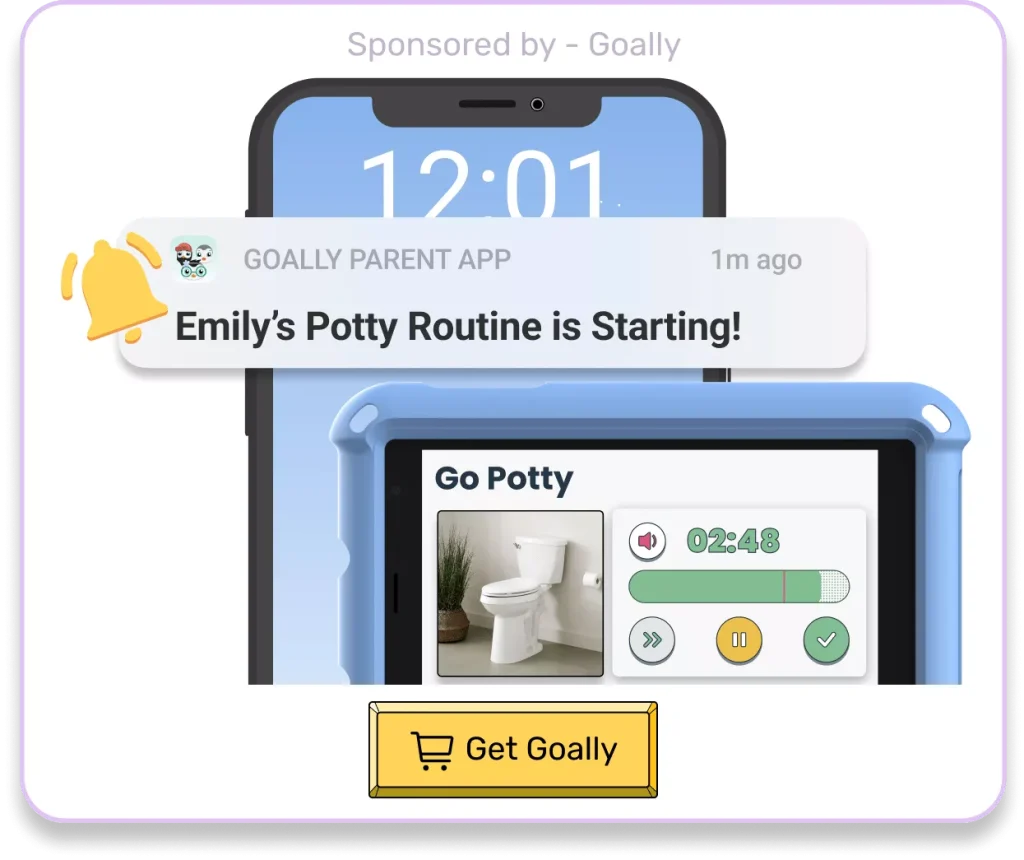
Does your child struggle with getting ready in the morning independently? Goally’s routine app on the best tablet for kids breaks down large tasks into small, achievable steps for autistic kids. Create custom routines with your own videos & pictures for every step.
In short, understanding how to stop autistic child from hitting others involves addressing the root causes, fostering effective communication, and creating a supportive environment. By implementing these strategies and working closely with professionals, you can help your child develop positive social skills and build strong relationships. Remember, patience and consistency are key in this journey, and with time, you’ll see progress and growth in your child’s behavior.
Helpful Resources
FAQs About Stopping An Autistic Child From Hitting Others
What triggers hitting behavior in autistic children?
Hitting behavior in autistic children is often a form of communication, expressing feelings like frustration, discomfort, or fear when they're unable to verbally communicate.
How can parents stop their autistic child from hitting others?
Strategies like observing triggers, employing calming strategies, teaching alternative behaviors, and positive reinforcement can help stop an autistic child from hitting others.
What are some calming strategies for autistic children?
Calming strategies may include sensory activities like deep pressure, movement, and tactile experiences, as well as visual aids, breaks, and structured routines.
How does positive reinforcement work with autistic children?
Positive reinforcement involves immediately acknowledging and rewarding a desired behavior, which encourages autistic children to repeat it over time.
What role do emotional regulation apps play in managing autism?
Emotional regulation apps can help children with autism understand and manage their emotions better, potentially reducing instances of aggressive behavior like hitting.
This post was originally published on 06/06/2023. It was updated on 07/26/2024.

Emily is a seasoned blog writer for Goally, leveraging her extensive background in child psychology and special education to provide valuable insights and resources for parents. Her commitment to understanding and addressing the unique needs of these children, combined with her expertise in educational strategies, makes her a credible and empathetic voice for families.