As someone who works with kids daily, I understand the importance of helping children navigate their emotions. Recognizing and understanding basic emotions is crucial for their development. In this blog, we’ll explore the 6 basic emotions in kids, providing valuable insights and tips for parents to support their children’s emotional growth. These emotions are fundamental to their social and emotional development, and knowing how to identify and respond to them can make a big difference.
Table of Contents
1. Happiness
Happiness is one of the most recognizable emotions. Kids express happiness through smiling, laughter, and overall cheerful behavior. Encouraging activities that bring joy, such as playing games, reading their favorite books, or spending quality time with loved ones, can enhance their happiness.
2. Sadness
Sadness is a natural response to loss or disappointment. Children may show sadness through crying, withdrawal, or a lack of enthusiasm for activities they usually enjoy. It’s important to acknowledge their feelings, provide comfort, and offer a listening ear to help them process their emotions.
3. Anger
Anger is a powerful emotion that can be challenging for kids to manage. Signs of anger include tantrums, yelling, and physical aggression. Teaching kids healthy ways to express anger, such as deep breathing, counting to ten, or using words to describe their feelings, can help them cope more effectively.
Goally | The Tablet for Neurodiverse Kids
4. Fear
Fear is an emotion that can protect children from danger, but it can also be overwhelming. Common fears in kids include fear of the dark, strangers, or new situations. Helping kids face their fears gradually and providing reassurance can build their confidence and resilience.
5. Surprise
Surprise is an emotion that reflects an unexpected event. It can be positive or negative, depending on the situation. Kids might show surprise through widened eyes, raised eyebrows, or gasps. Encouraging curiosity and embracing new experiences can make surprise a positive emotion for them.
6. Disgust
Disgust is a reaction to something unpleasant or offensive. Kids might express disgust through facial expressions like wrinkling their noses or saying “yuck.” Teaching them about hygiene and healthy eating can help them understand and manage feelings of disgust appropriately.
Tired of Emotional Meltdowns?
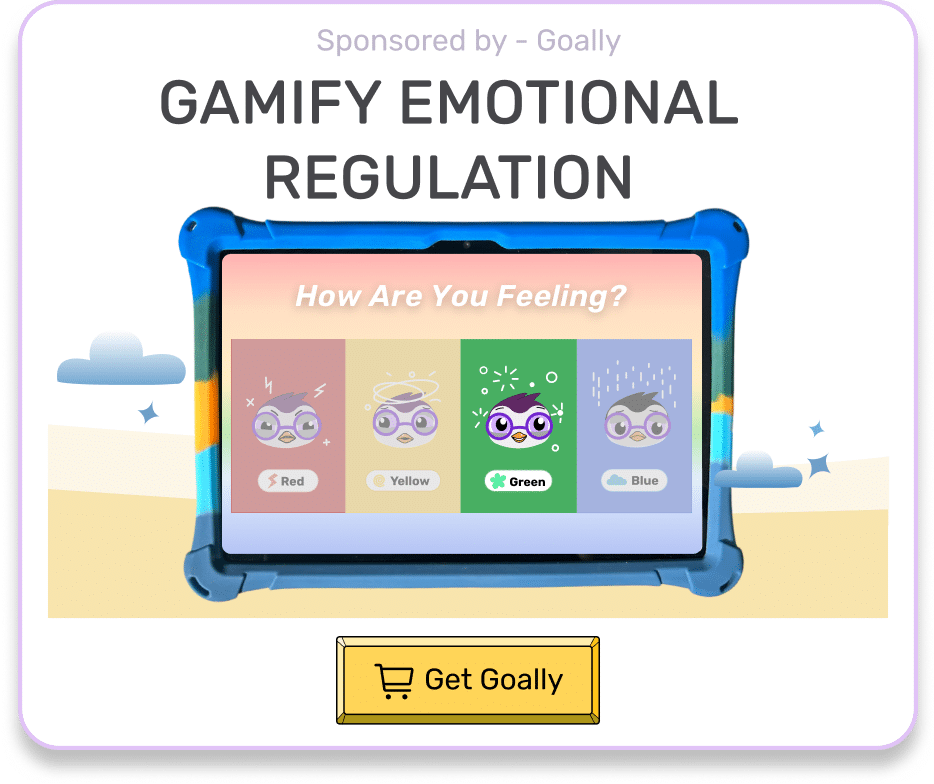
Goally’s Mood Tuner app has activities for kids with BIG emotions. Teach kids how to tune their mood with Goally. See fewer meltdowns.
The Mood Tuner app encourages kids to look inwards and identify their feelings, helping them understand what’s going on inside. Once they’ve recognized their emotions, they can choose from a 20+ activities designed to help them self-regulate and find their balance.
Understanding these six basic emotions and supporting your child’s emotional development can lead to positive outcomes. Recognizing and validating their feelings, providing comfort, and teaching healthy coping strategies are essential to nurturing their emotional well-being, which in turn can lead to happier, more resilient children.
Helpful Resources
FAQ’s About 6 Basic Emotions in Kids
What are the 6 basic emotions in kids?
The 6 basic emotions in kids are happiness, sadness, anger, fear, surprise, and disgust.

How can I help my child understand their emotions?
You can help your child understand their emotions by talking about feelings, using emotion cards, and modeling healthy emotional expression.

Why is it important for kids to recognize their emotions?
Recognizing emotions helps kids develop emotional intelligence, leading to better social skills, improved communication, and stronger relationships.

What are some activities to teach kids about emotions?
Activities like role-playing, reading books about feelings, and using emotion-themed games can teach kids about emotions in a fun and engaging way.

How do emotions affect a child's development?
Emotions play a crucial role in a child's development by influencing their social interactions, learning ability, and overall mental health.

Emily is a seasoned blog writer for Goally, leveraging her extensive background in child psychology and special education to provide valuable insights and resources for parents. Her commitment to understanding and addressing the unique needs of these children, combined with her expertise in educational strategies, makes her a credible and empathetic voice for families.