Working with kids daily, I see the excitement and joy of helping them learn and grow. One tool that I often recommend to parents is the Autism Spectrum Quotient Test, which helps identify traits associated with autism spectrum disorder (ASD). This blog will explain what the Autism Spectrum Quotient Test is, how it works, and why it’s an essential tool for parents and educators.
Table of Contents
What is the Autism Spectrum Quotient Test?
The Autism Spectrum Quotient Test is a self-administered questionnaire designed to measure the extent of autistic traits in adults and adolescents. Developed by Simon Baron-Cohen and his colleagues at the Autism Research Centre, it consists of 50 questions that evaluate areas such as social skills, attention switching, attention to detail, communication, and imagination.
This test is commonly used as a preliminary screening tool to help identify individuals who may benefit from a more comprehensive evaluation for autism spectrum disorder.

Why is the Autism Spectrum Quotient Test Important?
Early identification of autistic traits can lead to timely intervention, significantly improving outcomes for individuals with autism. The Autism Spectrum Quotient Test helps parents and educators understand a child’s unique strengths and challenges, allowing them to provide targeted support and resources.
Moreover, the test can help reduce the stigma associated with autism by providing a clearer understanding of the spectrum and the diversity of experiences within it.
How Does the Autism Spectrum Quotient Test Work?
The Autism Spectrum Quotient Test includes 50 questions that assess different aspects of an individual’s behavior and thinking. Respondents rate how strongly they agree or disagree with statements about their own experiences. The scores are then tallied to provide an overall indication of autistic traits.
It’s important to note that the test is not a diagnostic tool but a screening instrument. A high score on the Autism Spectrum Quotient Test suggests the need for further assessment by a healthcare professional.
Key Areas Assessed by the Autism Spectrum Quotient Test
The test evaluates several key areas related to autism spectrum traits:
- Social skills: Assessing how well the individual interacts with others.
- Attention switching: Evaluating the ability to transition between tasks or activities.
- Attention to detail: Measuring the focus on details and patterns.
- Communication: Assessing the ability to communicate effectively with others.
- Imagination: Evaluating the capacity for creative and abstract thinking.
By examining these areas, the test helps identify potential strengths and challenges related to autism spectrum traits.

Steps to Take After a High Score on the Autism Spectrum Quotient Test
If the Autism Spectrum Quotient Test indicates a high level of autistic traits, it’s essential to follow up with a comprehensive evaluation by a healthcare professional. This evaluation will provide a detailed understanding of the individual’s needs and help determine the best action.
Parents can also explore various resources and support services available for individuals with autism, such as speech therapy, occupational therapy, and specialized education programs.
Supporting Your Child Through the Process
As a parent, it can be challenging to navigate the process of understanding and supporting a child with autistic traits. However, early identification and intervention can make a significant difference. By using tools like the Autism Spectrum Quotient Test and seeking professional support, you can help your child develop the skills they need to thrive.
Connecting with other parents and support groups can also provide valuable insights and emotional support as you navigate this journey with your child.
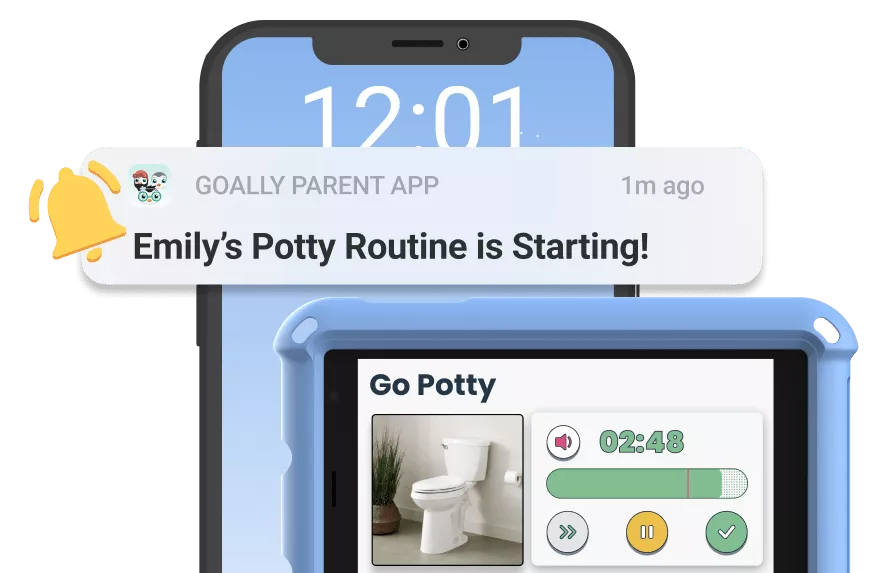
Goally is a great tool for kids with ASD who are looking to improve their life and language skills. It can be used in the home or clinic, and it is tailored to the individual needs of each child. Goally is a digital therapy and teaching assistant that can help kiddos with autism spectrum disorder (ASD). Goally can help children with a variety of tasks, including:

- Learning New Skills: Goally’s video classes helps children learn new skills, such as: how to follow directions, how to interact with peers, and how to make a sandwich.
- Increased Communication: Goally helps children effectively communicate wants and needs while also teaching them their first 50 words, allowing children to participate in the world around them.
- Behavior Management: Goally helps children manage their behavior, both in the classroom and at home by rewarding positive behaviors created by parents and teachers.
Goally’s distraction-free kid’s tablet can be used as a therapy tool to help teach executive function, language, emotional regulation, finger dexterity skills, and more!
Understanding and utilizing tools like the Autism Spectrum Quotient Test can provide early insights and prompt necessary interventions, ultimately enhancing the quality of life for individuals with autism. While these tools are valuable, it is essential to follow up with a thorough assessment by a healthcare professional for an accurate diagnosis and tailored support.
Helpful Resources
FAQ’s Autism Spectrum Quotient Test
How does the Autism Spectrum Quotient Test work?
The Autism Spectrum Quotient Test is a self-administered questionnaire that measures autistic traits through 50 questions.

Who should take the Autism Spectrum Quotient Test?
Adolescents and adults who suspect they may have autistic traits should take the Autism Spectrum Quotient Test.

What areas does the Autism Spectrum Quotient Test assess?
The test assesses social skills, attention switching, attention to detail, communication, and imagination.

Can the Autism Spectrum Quotient Test diagnose autism?
No, the test is a screening tool and not a diagnostic instrument.

What should you do if you get a high score on the Autism Spectrum Quotient Test?
If you get a high score, you should seek a comprehensive evaluation from a healthcare professional.

Emily is a seasoned blog writer for Goally, leveraging her extensive background in child psychology and special education to provide valuable insights and resources for parents. Her commitment to understanding and addressing the unique needs of these children, combined with her expertise in educational strategies, makes her a credible and empathetic voice for families.