Trusted by over 100,000+ Parents

What is Early Intervention Speech Therapy?

Home>>Neurodiversopedia>>E Terms

Summary

summary

Early intervention speech therapy helps kids with speech and language delays get support as soon as possible. It’s a way to boost communication skills in young children before they start school. This therapy can make a big difference in a child’s ability to talk, understand, and interact with others.

Frequently Asked Question

donut

What age should a child start early intervention speech therapy?

Early intervention speech therapy is most effective when started before the age of 5, as this is a crucial time for language development.

How do I know if my child needs speech therapy?

If your child shows delays in speech milestones, such as not babbling by age 1 or not combining words by age 2, it might be time to consult a therapist.

What does early intervention speech therapy involve?

It includes activities tailored to improve your child’s speech and language skills, often through play-based methods that make learning enjoyable.

Can parents be involved in speech therapy sessions?

Yes, therapists often encourage parent involvement to reinforce learning at home and provide strategies to support the child’s communication development.

Scientific Definition

scientist

Early intervention speech therapy is a specialized form of treatment designed to address speech and language disorders in children from birth to age three. It focuses on identifying and treating communication difficulties at the earliest possible stage, leveraging the brain’s natural plasticity during critical developmental periods. This approach aims to minimize potential long-term impacts on a child’s social, emotional, and academic development.


Resources:

Real World Example of Early Intervention Speech Therapy

Meet Sam, a 2-year-old who’s having trouble talking. Let’s see how early intervention speech therapy helps him:

  • First look: A speech expert checks what Sam can do.
  • Special plan: They make a plan just for Sam.
  • Playful learning: Sam learns new words through games and songs.
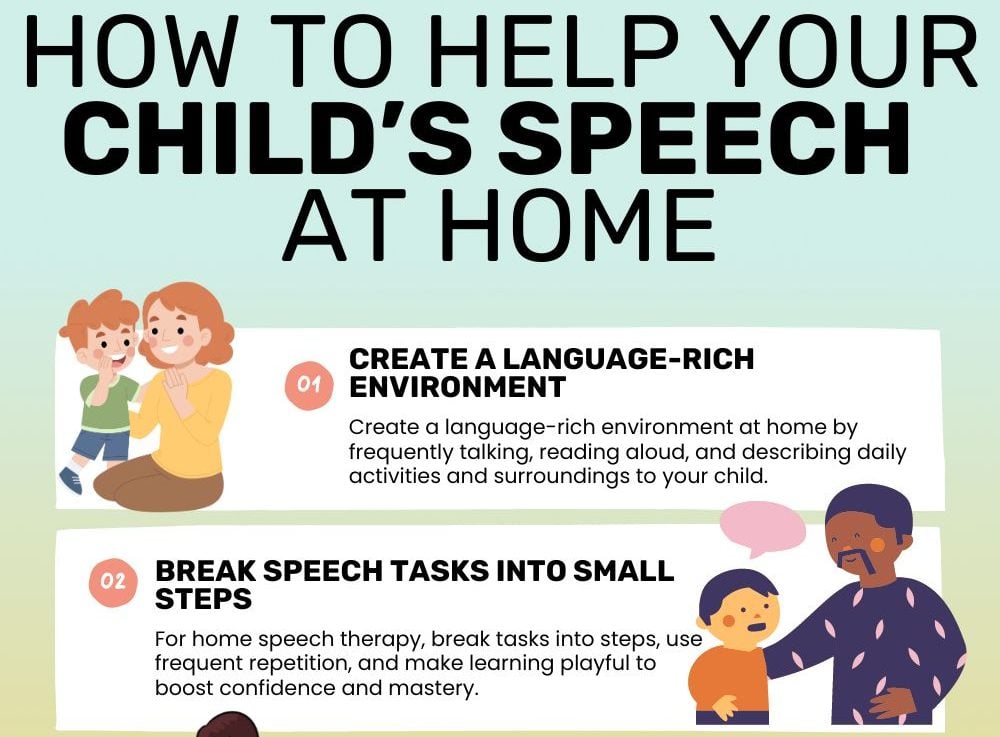
  • Family team: Sam’s parents learn how to help at home.
  • Keeping score: They track how Sam’s doing over time.
  • Big wins: After a few months, Sam’s talking more and making short sentences.

Sam’s story shows how early help can make a big difference. With the right support, kids can make amazing progress in their speech skills. It’s not always easy, but seeing a child find their voice is worth every effort.


How Does Early Intervention Speech Therapy Work?

Early intervention speech therapy uses fun ways to help kids talk better:

  • Learning through play: Kids work on talking while having fun with games.
  • Picture power: Photos and toys help kids learn and say new words.
  • Practice makes perfect: Therapists repeat things to help kids remember.
  • Parent helpers: Moms and dads learn how to practice at home.
  • Using all senses: Kids see, hear, and touch to learn better.
What They’re Working On How They Do It
Saying words clearly Silly face games, sound practice
Learning new words Naming things, telling stories
Understanding more Playing Simon Says, answering questions

Every kid learns differently, and that’s okay. Early intervention speech therapy is all about finding what works best for each child. It might take time, but with the right help, kids can make big strides in how they talk and understand others.