As someone who works with children on a daily basis, I understand how crucial it is for parents to recognize the early signs of autism. By understanding these indicators, you can make informed decisions to support your child’s development. In this post, I’ll share three key signs that may suggest your child is on the autism spectrum. Recognizing these signs early can help you navigate the best path for your child’s growth and well-being.
Table of Contents
1. Communication Challenges
The first early sign of autism we’ll discuss is difficulty with communication. This can appear in various ways, such as:
- Delayed speech development
- Limited vocabulary
- Echolalia (repeating words or phrases)
- Struggling with nonverbal communication
To clarify, let’s break down these communication challenges a bit further.

Read more: How Do You Tell if it's ADHD or Autism?
Delayed Speech Development and Limited Vocabulary
Children with autism can experience delayed speech development. For example, they might not speak their first words by the age of 2 or may find it challenging to form sentences by age 3. Additionally, they often have a smaller range of words compared to their peers. Every child develops at their own pace, but recognizing these communication challenges early allows for timely discussions with a professional.
Echolalia and Nonverbal Communication Struggles
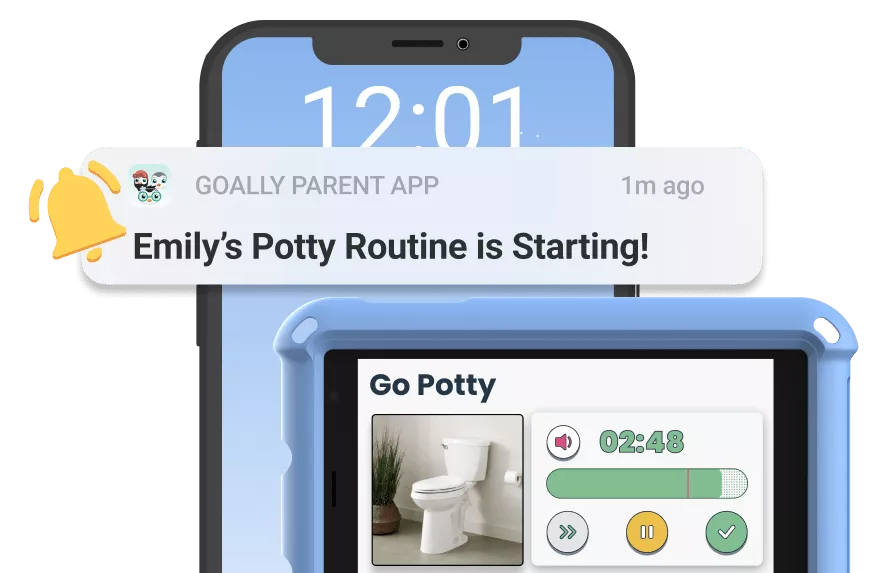
Echolalia, or the repetition of words and phrases without understanding their meaning, is another common communication challenge for kids with autism. Moreover, they may have difficulty understanding facial expressions, gestures, or body language. Goally’s learning tablet can be a helpful tool for kids with communication challenges, offering apps designed to support their unique needs.
2. Social Interaction Difficulties
Another early sign of autism is difficulty with social interactions. Neurodivergent kids may struggle to connect with others, which can manifest in the following ways:
- Limited eye contact
- Struggling to form friendships
- Difficulty understanding social cues
- Resistance to physical touch
Limited Eye Contact and Forming Friendships
A child with autism may avoid looking directly at others or struggle to maintain eye contact during conversations. Furthermore, they might have difficulty making friends or prefer to play alone. Observing your child’s behavior and seeking professional guidance if you have concerns is essential.
Understanding Social Cues and Physical Touch
Kids with autism may not pick up on subtle social signals, such as sarcasm or body language. In addition, some children may be uncomfortable with hugs, hand-holding, or other forms of physical affection. Goally’s apps can help kids with social interaction difficulties by providing engaging and interactive learning experiences tailored to their needs.

Read more: Autism in Preschoolers | 3 Signs
3. Repetitive Behaviors and Restricted Interests
The third early sign of autism is the presence of repetitive behaviors and restricted interests. These can include:
- Repetitive movements (e.g., hand-flapping, rocking, or spinning)
- Obsessive interests
- Routines and rituals
- Sensory sensitivities
Repetitive Movements and Obsessive Interests
Hand-flapping, rocking, or spinning are common examples of repetitive behaviors in kids with autism. Additionally, a child may become intensely focused on a specific topic or activity, often to the exclusion of other interests.
Routines, Rituals, and Sensory Sensitivities
Children on the spectrum may have a strong need for routine and become upset when their daily schedule is disrupted. Sensory sensitivities are also common, with kids being overly sensitive to certain sounds, textures, or tastes, leading to strong reactions or avoidance behaviors.
Goally | Apps To Support Child Development
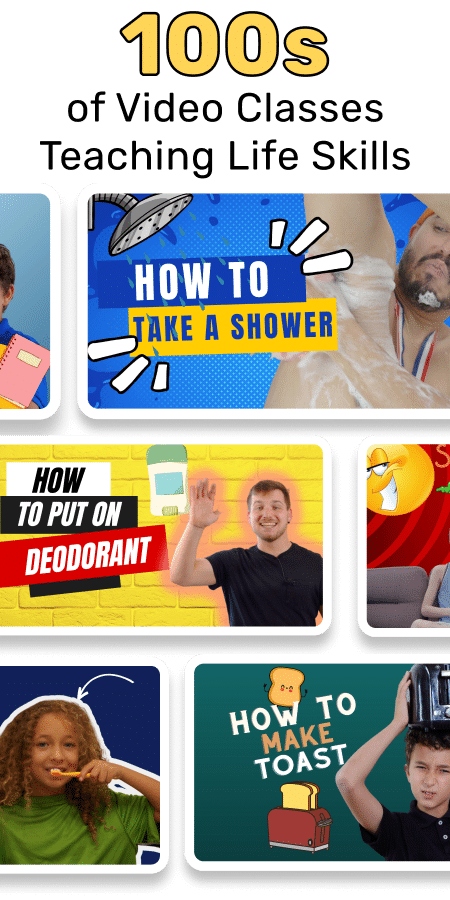
Looking for fun ways to help your child learn life skills? Try Goally! The Goally tablet comes with award-winning learning apps and video classes to help kids develop the skills they need to become independent with FUN & evidence-based practices.
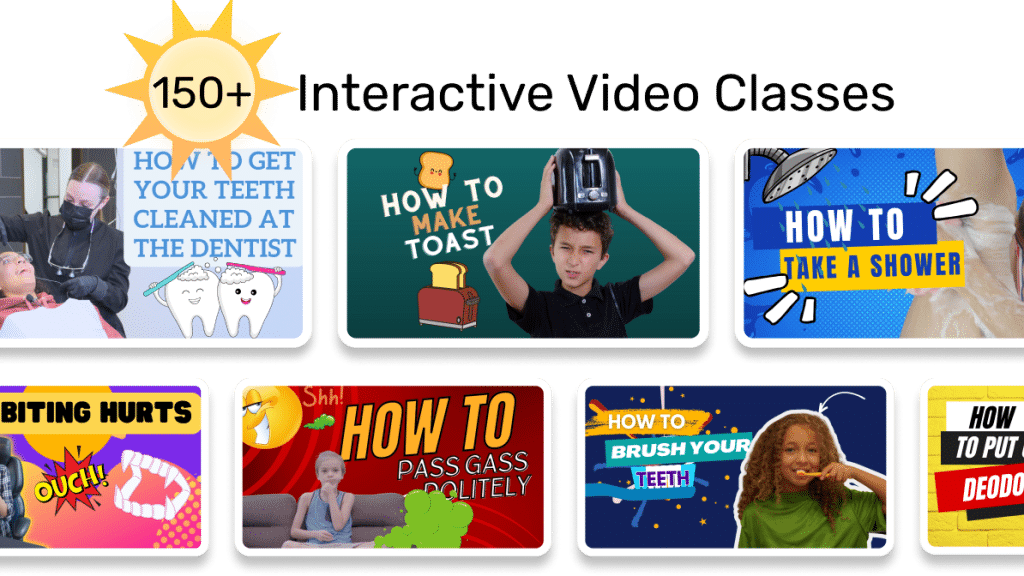
Our apps teach executive function, language, emotional regulation, finger dexterity skills, and more.
As your child develops new skills, you can increase the difficulty level of the tasks in the app to challenge and motivate them even further. This helps your child grow and progress at their own pace, while also keeping them engaged and excited about their development.
By recognizing the early signs of autism, such as communication challenges, social interaction difficulties, and repetitive behaviors, you can better understand and support your child’s unique needs. Remember, every child is different, and it’s crucial to seek professional guidance if you have concerns. Goally’s learning tablet and apps can be valuable tools in supporting your child’s development and helping them reach their full potential.
FAQ’s About Early Signs of Autism
What are early signs of autism in toddlers?
Early signs of autism in toddlers include delayed speech, limited eye contact, and repetitive behaviors.

Can a lack of social interaction be an early sign of autism?
Yes, a lack of social interaction can be an early sign of autism in children.

Is avoiding eye contact an indicator of autism?
Yes, avoiding eye contact is a common early indicator of autism.

Can repetitive behaviors be an early sign of autism?
Yes, repetitive behaviors such as hand-flapping or lining up toys can be early signs of autism.
This post was originally published on 05/19/2023. It was updated on 08/05/2024.

Emily is a seasoned blog writer for Goally, leveraging her extensive background in child psychology and special education to provide valuable insights and resources for parents. Her commitment to understanding and addressing the unique needs of these children, combined with her expertise in educational strategies, makes her a credible and empathetic voice for families.