Worried about your 9-month-old’s development? Understanding early signs of autism can help you seek timely support. This guide covers key indicators and next steps for concerned parents.
Key Takeaways:
- Early signs of autism in 9-month-olds include limited eye contact, delayed babbling, and reduced social interaction.
- Early intervention strategies like speech therapy and behavioral therapy can significantly improve developmental outcomes.
- Consult with a healthcare professional if you notice signs or have concerns about your child’s development.
What are the early signs of autism in a 9-month-old? Early signs may include limited eye contact, lack of response to their name, and reduced interest in social interactions. These behaviors differ from typical development and can be an early indicator of autism. If you suspect your baby might have autism, it’s crucial to consult a healthcare professional for evaluation and guidance on potential next steps. Early detection and intervention can make a significant difference in your child’s developmental progress.
Table of Contents
Understanding Autism Spectrum Disorder
Autism Spectrum Disorder (ASD) is a complex neurological condition that affects how an individual thinks, communicates, and interacts with others. It is characterized by various symptoms and behaviors, varying significantly from person to person. The signs of autism often become more noticeable as a child grows and develops, with some indicators appearing as early as 9 months old. Early detection and intervention can significantly impact a child’s development and quality of life, making it essential to be informed and proactive.
ASD affects individuals differently, making pinpointing a single cause or risk factor challenging. However, research suggests that a combination of genetic, environmental, and biological factors may contribute to the development of autism. It is essential to remember that no two people with autism are the same, and their experiences and needs will differ.
Signs of Autism in 9 Month Old: Key Indicators
While every child is unique, there are some common signs of autism in 9-month-old children that parents should be aware of. These indicators are not definitive proof of autism. However, they can be a starting point for further assessment and discussion with healthcare professionals. Some key signs include:
- Limited eye contact or difficulty maintaining eye contact
- Delayed or absent babbling and cooing
- Little to no interest in social interactions
- Unusual sensitivity to sensory stimuli, such as sounds, textures, or lights
- Repetitive movements, such as rocking or flapping hands
Remember that many of these signs can also be present in neurotypical children. It’s essential to consider your child’s overall development and discuss any concerns with a healthcare professional.
Beyond these common indicators, there are additional signs that parents should monitor, including:
- Lack of response to their name
- Difficulty tracking objects or people with their eyes
- Preference for playing alone or limited interest in age-appropriate toys
- Challenges with imitation or following simple instructions
- Unusual attachment to specific objects or routines
Seeking Professional Guidance
If you’re concerned about your child’s development, consult a healthcare professional or a specialist in autism spectrum disorders. They can provide a thorough evaluation, help determine if your child has autism, and recommend appropriate interventions and resources tailored to your child’s specific needs.
- Speak with your child’s pediatrician
- Seek a referral to a specialist in autism spectrum disorders
- Consider early intervention services
- Join support groups for parents of neurodivergent kids
It’s crucial to remember that early intervention can significantly affect a child’s development. The sooner you address potential concerns, the better your child’s chances to receive the support they need to thrive.
Read more: What are Speech Generating Devices?
Early Intervention Strategies
Early intervention strategies can play a vital role in helping your child develop the skills they need to navigate the world around them. These strategies often involve a combination of therapies and support services tailored to your child’s individual needs. Some common early intervention strategies include:
- Speech and language therapy
- Occupational therapy
- Physical therapy
- Behavioral therapy, such as Applied Behavior Analysis (ABA)
- Social skills training
Each child’s intervention plan will vary based on their needs, strengths, and challenges. Working closely with professionals and specialists can help make sure that your child receives the most effective support possible.

Read More: Child Development Stages
Supporting Your Child at Home
In addition to professional guidance and early intervention strategies, there are several ways that you can support your child’s development at home. Some tips for promoting a nurturing and supportive environment include:
- Encouraging play and interaction with age-appropriate toys
- Using visual aids and schedules to help establish routines
- Offering plenty of opportunities for sensory exploration and engagement
- Practicing patience and understanding when communicating with your child
- Seeking out support from other parents and caregivers of neurodivergent kids
Remember that your love, encouragement, and understanding are invaluable resources for your child as they navigate their unique journey.

Empowering Your Child’s Journey
Understanding the signs of autism in your 9-month-old child can be empowering and challenging. Knowledge is power; being informed about your child’s development will enable you to advocate for their needs and provide the best possible support. With the right resources, tools, and guidance, you can help your kid reach their full potential and thrive in their unique journey through life.
Goally is committed to supporting parents and caregivers of neurodivergent kids by offering a range of innovative tools and resources, including our learning tablet for kids and various helpful apps. Explore our website for more information and resources to support your child’s growth and development.
Goally | Apps To Support Child Development
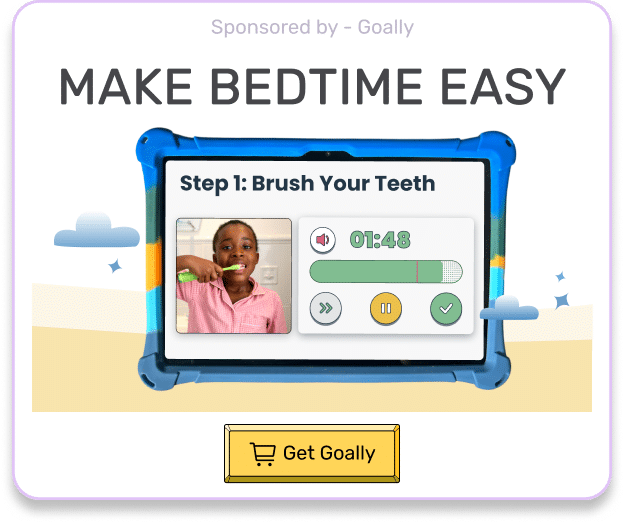
Looking for fun ways to help your child learn life skills? Try Goally! The Goally tablet comes with award-winning learning apps and video classes to help kids develop the skills they need to become independent with FUN & evidence-based practices.

Our apps teach executive function, language, emotional regulation, finger dexterity skills, and more.
As your child develops new skills, you can increase the difficulty level of the tasks in the app to challenge and motivate them even further. This helps your child grow and progress at their own pace, while also keeping them engaged and excited about their development.
Recognizing the signs of autism in your 9-month-old child is crucial to ensuring they receive the necessary support and resources to excel. By educating yourself on the key indicators, seeking professional guidance, and exploring early intervention strategies, you take a proactive and empowering approach to your child’s development and well-being.
Helpful Resources
- Autism Speaks
- Centers for Disease Control and Prevention (CDC)
- Eunice Kennedy Shriver National Institute of Child Health and Human Development (NICHD)
FAQs About Signs of Autism in a 9-Month-Old
What are the early signs of autism in a 9-month-old baby?
Early signs of autism in a 9-month-old baby may include limited eye contact, a lack of response to their name, and reduced interest in faces or social interaction.
Can a baby show signs of autism as early as nine months?
Yes, although symptoms often become more noticeable as children age, some signs of autism can emerge as early as 9 months.
What should I do if I suspect my 9-month-old might have autism?
If you suspect your baby might have autism, consult a healthcare professional or pediatrician who can provide guidance and refer you to specialists if necessary.
Are there effective screening tools for autism in 9-month-old babies?
There are screening tools like the M-CHAT (Modified Checklist for Autism in Toddlers) that can help identify potential signs of autism. However, they are generally most accurate after 18 months.
How can early intervention help if my 9-month-old baby is diagnosed with autism?
Early intervention can improve your child's developmental trajectory by enhancing their social, cognitive, and communication skills through structured therapies.
This post was originally published on 05/08/2023. It was updated on 08/28/2024.

Emily is a seasoned blog writer for Goally, leveraging her extensive background in child psychology and special education to provide valuable insights and resources for parents. Her commitment to understanding and addressing the unique needs of these children, combined with her expertise in educational strategies, makes her a credible and empathetic voice for families.