As someone who has worked with neurodivergent kids for years, I’ve seen firsthand the challenges of teaching them to understand their unique minds. It’s both an emotional and educational journey that’s essential for their growth and self-awareness. Understanding ADHD isn’t just about knowing what the letters stand for; it’s about helping kids grasp how it affects their daily lives and empowering them to navigate the world confidently. This guide will walk you through step-by-step instructions on how to effectively teach your kids about ADHD in a clear, engaging, and supportive way.
Table of Contents
Step 1: Start with Simple Definitions
When introducing ADHD to kids, it’s important to keep the language simple and relatable. Explain ADHD as a difference in how the brain works—just like some people are left-handed, some kids’ brains work differently, which can make it hard to focus or sit still.
To make it even more understandable, you can compare it to something they already know. For example, “ADHD is like having a TV with too many channels; sometimes, your brain wants to switch channels quickly, even when you want to stay on one show.”
Step 2: Use Visual Aids and Stories
Kids often learn best through stories and visuals. Use pictures, drawings, or videos illustrating ADHD and how it can feel. This could be a simple drawing of a brain with lightning bolts to show the energy or a story about a character who has ADHD and how they manage it.
You can also create a social story that walks through a day in the life of a child with ADHD, highlighting both the challenges and strengths they experience. This makes the concept more relatable and easier to grasp.

Step 3: Discuss Strengths and Challenges
It’s crucial to help kids understand that ADHD comes with strengths and challenges. Talk about how ADHD can make some tasks more difficult, like focusing in school or staying still, but also how it can make kids incredibly creative, energetic, and able to think outside the box.
Share real-life examples of people with ADHD who have achieved great things. This educates and inspires them to see ADHD as just one part of who they are, not something that defines them entirely.
Step 4: Create a Supportive Environment
Teaching kids about ADHD isn’t just about explaining what it is; it’s also about building an environment where they feel supported and understood. Encourage open communication where they can express their feelings and ask questions about ADHD.
Work together to develop strategies to help them manage their ADHD symptoms, like using visual schedules, breaking tasks into smaller steps, or incorporating physical activity breaks. This empowers them to take control of their experiences and feel more confident in their abilities.
Step 5: Reinforce with Positive Reinforcement
Positive reinforcement is key when teaching kids about ADHD. Celebrate their efforts and successes, no matter how small they may seem. This builds their self-esteem and reinforces the idea that they can manage their ADHD effectively.

Read more: What Does ADHD Do to the Brain?
Consider creating a reward system for when they use their ADHD strategies successfully, such as a sticker chart or a special treat. This not only motivates them but also helps them associate positive feelings with managing their ADHD.
Step 6: Practice Patience and Empathy
Remember, understanding ADHD is a journey, not a destination. Be patient with your child as they learn more about their ADHD and how to manage it. Show empathy by acknowledging their feelings and challenges, and let them know it’s okay to make mistakes along the way.
Your support and understanding are crucial in helping them navigate this process. Practicing patience and empathy creates a safe space for them to grow and thrive.
Step 7: Involve Professionals When Needed
Sometimes, teaching kids about ADHD might require professional help. Don’t hesitate to involve a therapist, counselor, or doctor specializing in ADHD if needed. These professionals can offer additional resources and support tailored to your child’s needs.
Collaborating with professionals also shows your child that it’s okay to ask for help and that they don’t have to navigate ADHD alone. It’s a team effort that can make a big difference in their understanding and managing ADHD.
Try Goally For Your Child With ADHD
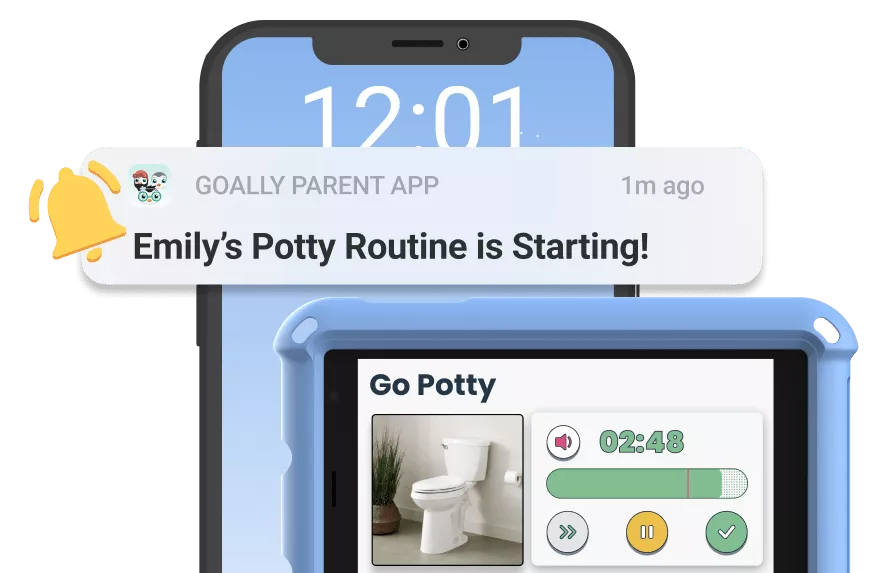
Goally helps kids with ADHD stay focused and build skills. Unlike a Kindle or an iPad that kids get easily distracted on, Goally has no YouTube, no social media, no web browser, and especially no ads.
Goally uses game play as a points-based motivator for your kiddo with ADHD and helps them learn emotional regulation skills. It’s simple to set up and has an expert-informed design.

By following these steps, you’ll be well on your way to helping your child understand and manage ADHD in a positive, supportive, and effective manner.
Helpful Resources
FAQ’s About Understanding ADHD
What is ADHD in simple terms?
ADHD is a condition that affects focus, self-control, and behavior in children and adults.

How does ADHD impact daily life?
ADHD can make tasks like staying organized, paying attention, and following instructions more challenging.

Can ADHD be treated?
Yes, ADHD can be managed with a combination of therapy, medication, and lifestyle strategies.

What are the common signs of ADHD in children?
Common signs include difficulty concentrating, impulsivity, and hyperactivity.

How can parents support a child with ADHD?
Parents can support by creating structured routines, offering positive reinforcement, and seeking professional help.
This post was originally published on 12/04/2023. It was updated on 08/14/2024.

Emily is a seasoned blog writer for Goally, leveraging her extensive background in child psychology and special education to provide valuable insights and resources for parents. Her commitment to understanding and addressing the unique needs of these children, combined with her expertise in educational strategies, makes her a credible and empathetic voice for families.