Working with teenagers, I’ve encountered many parents who are navigating the complex world of autism. Recognizing the signs of autism in teenagers early on can make a significant difference in their development and well-being. In this guide, I’ll highlight seven key indicators that may suggest your teen is on the autism spectrum. Understanding these signs will help you support your teenager more effectively and foster their growth in ways that suit their individual needs.
Table of Contents
1. Difficulty with Social Interactions
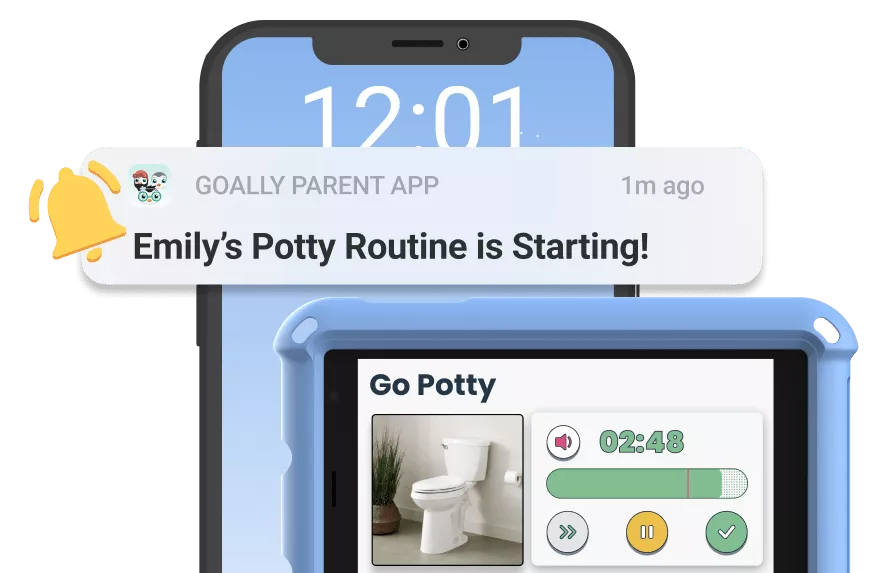
One of the most common signs of autism in teens is a struggle with social interactions. Neurodivergent teens may have a hard time understanding social cues, making eye contact, or engaging in conversations. They might also find it challenging to make friends or maintain relationships. Goally can be a great tool to help your teen practice social skills in a safe and structured way.
| Signs to Look For | How to Support |
|---|---|
| Avoiding eye contact | Encourage practice through role-playing |
| Difficulty making friends | Provide opportunities for social interaction in a safe environment |
| Struggling with conversations | Teach conversation skills and practice active listening |
2. Repetitive Behaviors or Routines
Teens on the autism spectrum may exhibit repetitive behaviors or have a strong preference for routines. They might engage in repetitive actions, like hand-flapping or rocking, or insist on following a specific daily schedule.
- Obsessive interests in certain topics or activities
- Repeating phrases or words
- Resistance to change in routines
Support your teen by understanding their need for routine and providing a structured environment. Please encourage them to explore new interests while respecting their preferences. Goally can help create and maintain routines that work for your teen.

Read more: 7 Life Skills for Teens
3. Sensory Sensitivities
Sensory sensitivities are common among neurodivergent teens. They may be overly sensitive to sounds, textures, tastes, or smells, which can lead to discomfort or even meltdowns.
- Aversion to certain fabrics or clothing
- Discomfort with loud noises or bright lights
- Strong preferences for specific food textures or tastes
Help your teen by creating a sensory-friendly environment and providing tools to cope with sensory overload, such as noise-canceling headphones or fidget toys.
4. Difficulty with Emotional Regulation
Neurodivergent teens may struggle with emotional regulation, leading to outbursts or meltdowns. They might have difficulty expressing their emotions or understanding the emotions of others.
- Intense emotional reactions to seemingly minor events
- Difficulty identifying or expressing emotions
- Challenges in understanding others’ emotions
Support your teen by teaching emotional regulation techniques, such as deep breathing exercises or mindfulness practices.
5. Nonverbal Communication Challenges
Teens on the autism spectrum may have difficulty with nonverbal communication, such as interpreting body language, facial expressions, or tone of voice.
- Struggling to understand sarcasm or humor
- Difficulty interpreting gestures or facial expressions
- Challenges with personal space or physical boundaries
Help your teen by practicing nonverbal communication skills and providing clear, direct feedback.

Read more: Free Printable Teenage Behavior Charts
6. Special Interests or Talents
Many neurodivergent teens have special interests or talents that they are passionate about. These interests can be a source of comfort and self-esteem but may also lead to obsessive behavior.
- Deep knowledge of a specific subject or activity
- Strong focus on a particular hobby or interest
- Difficulty engaging in other activities or interests
Encourage your teen to pursue their passions while also promoting balance and exploring new interests.
7. Executive Functioning Challenges
Executive functioning skills, such as organization, planning, and time management, can be challenging for teens on the autism spectrum.
- Difficulty organizing tasks or belongings
- Struggling with time management
- Challenges in completing tasks or following instructions
Support your teen by providing structure, visual aids, and tools like Goally to help them develop executive functioning skills.

Goally | Best Videos to Teach Life Skills
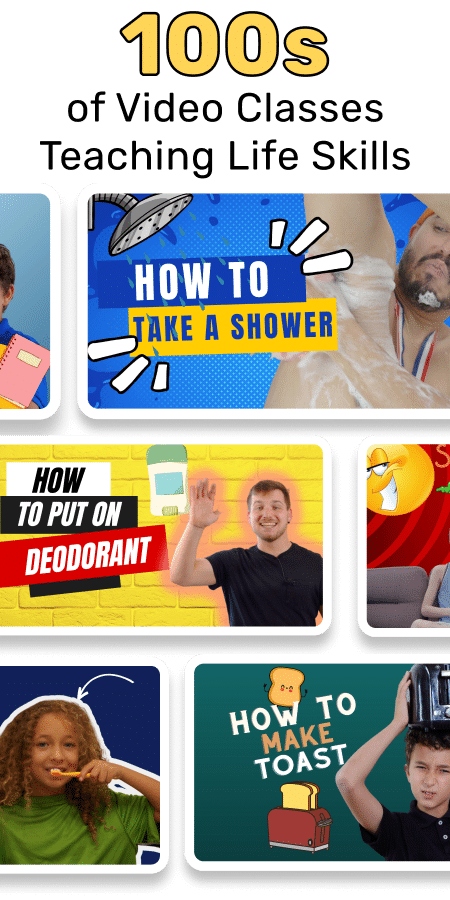
Give your kid an independent future. Goally has 100+ video classes teaching life skills like “How to Choose a Restaurant,” “How to Interrupt Politely,” and “How to Get Ready for School.”
Goally takes kids on an adventure that includes interactive practice and checkpoints along the way! No web browsers, YouTube, or social media.
Recognizing the signs of autism in teens opens the door to a world of support and understanding during their formative years. By being attuned to these seven indicators, you can strengthen your bond with your neurodivergent teen and support them as they navigate their unique challenges. Every teen is wonderfully unique, and their journey through adolescence is a special adventure. Embrace their individuality, celebrate their amazing strengths, and create a nurturing environment for their growth and triumph. Together, you can transform these teenage years into a time of incredible growth, joyful self-discovery, and powerful empowerment.
Resources:
FAQs About Signs of Autism in Teens
What are some early signs of autism in teens?
Early signs of autism in teens often include difficulty with social interactions, repetitive behaviors, and trouble with communication.

Can changes in a teenager's interest and behavior indicate autism?
Yes, sudden changes in interests, behaviors, or social interactions could indicate autism, but these can also be normal aspects of adolescence.

What is the role of visual schedules in supporting teens with autism?
Visual schedules can help autistic teens by providing structure, predictability, and an easy-to-understand format for completing tasks or establishing routines.

How can emotional regulation apps benefit autistic teenagers?
Emotional regulation apps can provide strategies and exercises for teens with autism to manage their emotions effectively, reducing anxiety and stress.

Do reward systems work for teens on the autism spectrum?
Yes, reward systems can be effective for encouraging positive behavior in teens with autism, fostering motivation and a sense of accomplishment.
This post was originally published on 05/01/2023. It was updated on 07/25/2024.

Goally
We help parents teach their kids life skills, like doing bedtime and morning independently. Backed by science, we incorporate evidence-based practices and expert-informed designs in all of our apps and content.