As someone who works closely with children, I’ve often been asked, “Is ADHD bad?” when a child receives an ADHD diagnosis. It’s a common concern for parents to wonder how this will affect their child’s life. In this blog post, I aim to provide a balanced view, addressing both the challenges and the unique strengths that come with ADHD. You’ll also find actionable tips to support your child’s growth and development. By the end, I hope you’ll see that ADHD is not inherently bad—it’s simply different.
Table of Contents
ADHD: A Different Way of Thinking
First and foremost, it’s essential to understand that ADHD is not a disorder or a deficit; it’s a different way of thinking and processing information. Kids with ADHD often possess unique strengths that can be harnessed for success in various aspects of life.
Some of these strengths include:
- Creativity and out-of-the-box thinking
- High energy levels
- Ability to hyperfocus on tasks they find interesting
- Resilience and adaptability
- Strong problem-solving skills
Supporting Your Neurodivergent Child’s Growth
Now that we’ve established that ADHD is not bad, let’s discuss how you can support your child’s growth and development. Here are some strategies to help your child thrive:
1. Embrace Their Unique Abilities
Celebrate your child’s strengths and encourage them to pursue their interests. By focusing on their abilities rather than their challenges, you’ll boost their self-esteem and help them develop a positive self-image.
For example, if your child has a passion for art, enroll them in art classes or provide them with materials to create at home. This will not only foster their creativity but also give them an outlet to express themselves.
2. Create a Structured Environment
Kids with ADHD often benefit from routines and structure. Establish consistent daily routines, create a designated workspace for homework and other tasks, and use visual aids like calendars and checklists to help them stay organized.
Here are some ideas for creating a structured environment:
- Set up a morning routine with specific tasks and times
- Designate a quiet, clutter-free workspace for homework
- Use visual schedules to outline daily activities
- Implement a consistent bedtime routine
3. Encourage Physical Activity
Physical activity can help improve focus, reduce impulsivity, and increase overall well-being for kids with ADHD. Encourage your child to participate in sports or other physical activities they enjoy.
Some fun physical activities for kids with ADHD include:
- Soccer
- Swimming
- Dance classes
- Martial arts
- Hiking or nature walks
4. Teach Time Management Skills
Time management can be challenging for kids with ADHD. Help them develop these skills by breaking tasks into smaller steps, setting time limits for each step, and using timers or alarms to keep them on track.
Try these time management strategies:
- Use a timer to set specific work periods and breaks
- Break tasks into smaller, manageable steps
- Create a visual to-do list with checkboxes
- Set deadlines for tasks and projects

Read more: What is the Hardest Part of ADHD?
5. Foster Social Skills
Social skills are essential for building friendships and navigating various social situations. Teach your child appropriate social behaviors, such as taking turns, listening to others, and maintaining eye contact during conversations.
Some ways to help your child develop social skills include:
- Role-playing different social scenarios
- Practicing conversation starters and responses
- Discussing the importance of body language and eye contact
- Encouraging participation in group activities or clubs
Read more: Learning Differences in Kids
Collaborating with Educators and Professionals
As a parent, you’re not alone in supporting your child’s growth. Collaborating with educators and professionals can provide additional resources and guidance. Here are some ways to work together:
1. Communicate Regularly with Teachers
Keep an open line of communication with your child’s teachers to discuss their progress, challenges, and any accommodations they may need in the classroom.
Consider scheduling regular check-ins or attending parent-teacher conferences to stay informed about your child’s academic performance and any concerns that may arise.
2. Seek Professional Support
Consider working with professionals such as therapists, psychologists, or ADHD coaches who specialize in supporting neurodivergent kids. They can provide valuable insights and strategies tailored to your child’s needs.
Some professionals who can help include:
- Child psychologists
- Occupational therapists
- ADHD coaches
- Behavioral therapists
3. Advocate for Your Child
Be your child’s advocate by educating yourself about ADHD and your child’s rights. This knowledge will empower you to ensure they receive the support and accommodations they need to succeed in school and beyond.
Learn about your child’s rights under the Individuals with Disabilities Education Act (IDEA) and Section 504 of the Rehabilitation Act, which provide protections and accommodations for students with disabilities.
Try Goally For Your Child With ADHD
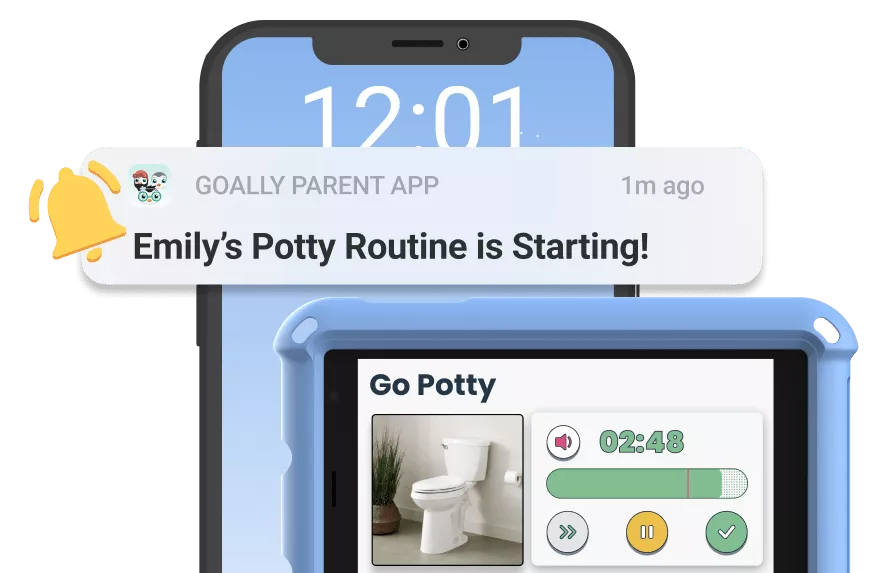
Goally helps kids with ADHD stay focused and build skills. Unlike a Kindle or an iPad that kids get easily distracted on, Goally has no YouTube, no social media, no web browser, and especially no ads.
Goally uses game play as a points-based motivator for your kiddo with ADHD and helps them learn emotional regulation skills. It’s simple to set up and has an expert-informed design.

In the end, the question “Is ADHD bad?” can be answered with a resounding “No!” Instead of viewing ADHD as a barrier, recognize it as a unique perspective that offers valuable strengths and abilities. By embracing your child’s neurodiversity, providing support, and collaborating with educators and professionals, you can help your child reach their full potential and lead a fulfilling life.
FAQ’s About Is ADHD Bad
Is ADHD a bad condition?
No, ADHD is a neurodevelopmental disorder that can be managed with appropriate strategies and support.

Can people with ADHD be successful?
Yes, many people with ADHD lead successful and fulfilling lives with the right support and resources.

Does ADHD only affect children?
No, ADHD can affect both children and adults, though symptoms may change over time.

Are there positive aspects to having ADHD?
Yes, individuals with ADHD can be highly creative, energetic, and innovative.

Is ADHD a lifelong condition?
Yes, ADHD is typically a lifelong condition, but symptoms can be managed effectively with proper treatment.
This post was originally published on 05/06/2023. It was updated on 08/05/2024.

Emily is a seasoned blog writer for Goally, leveraging her extensive background in child psychology and special education to provide valuable insights and resources for parents. Her commitment to understanding and addressing the unique needs of these children, combined with her expertise in educational strategies, makes her a credible and empathetic voice for families.