Childhood autism is a neurodevelopmental condition that influences how kids communicate and interact with the world. Parents can use tools like visual schedules, clear communication, and structured environments to support their child’s growth and development.
- Childhood autism impacts communication, social skills, and behavior.
- Support strategies include structured routines and visual aids.
- Individualized approaches promote confidence and independence.
Table of Contents
What Is Childhood Autism?
Childhood autism, part of the autism spectrum, is characterized by differences in communication, social interaction, and behavior. While some kids may be nonverbal, others might struggle with understanding social cues or expressing emotions effectively.
Research highlights that early intervention can make a significant difference in outcomes. Structured therapies and educational tools can help children develop essential skills and improve their quality of life.
Key Characteristics of Childhood Autism
1. Communication Challenges
Children with autism may face difficulties expressing themselves verbally or nonverbally. They might also struggle to understand complex instructions or social cues.
Using visual aids or augmentative communication devices can bridge these gaps and foster better understanding.
2. Social Interaction Differences
Many children with autism find social interactions challenging. They may prefer solitary play or have difficulty interpreting facial expressions and tone of voice.
Structured playtime and social skills groups can provide opportunities to build these skills in a supportive environment.

3. Repetitive Behaviors and Routines
Repetitive behaviors like hand flapping or lining up objects are common among children with autism. These behaviors often provide comfort or a sense of predictability.
Establishing consistent routines can help create a calming structure for their day-to-day lives.
Effective Support Strategies for Parents
1. Create a Visual Schedule
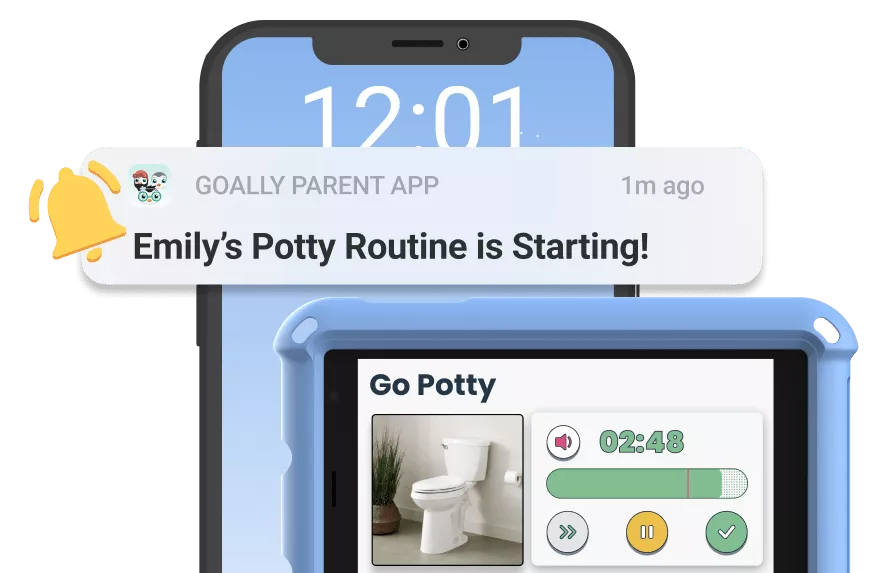
Visual schedules break down daily routines into manageable steps, helping kids anticipate what comes next. They are particularly effective for children who thrive on predictability.
Include images or symbols for tasks like brushing teeth, mealtime, and school activities to make the schedule engaging and easy to follow.
Build Custom Printable Visual Schedules
Is your child having trouble managing their routines? Here’s a free visual schedule builder. Goally’s custom tool allows you to create printable personalized schedules that motivate your child to focus on their tasks. Perfect for morning, homework, and bedtime routines, this free visual schedule builder is easy to use and will help your child reach their full potential.
Click below to make your CUSTOM printable visual schedule! 👇
2. Use Clear and Simple Communication
Children with autism often benefit from clear, concise language. Avoid using overly complex sentences or idioms that may be hard to interpret.
Pair verbal instructions with gestures or visual cues to enhance understanding.
3. Encourage Sensory Regulation
Many kids with autism have sensory sensitivities, such as discomfort with loud noises or certain textures. Providing sensory-friendly tools like noise-canceling headphones or weighted blankets can help.
Designating a calm space at home can offer a safe retreat when they feel overwhelmed.
Research-Backed Insights
Studies published in the Journal of Autism and Developmental Disorders show that structured interventions, such as Applied Behavior Analysis (ABA) and occupational therapy, significantly improve social and communication skills in children with autism.
Furthermore, research from the National Institute of Mental Health emphasizes the role of early intervention in enhancing cognitive and social outcomes for neurodivergent children.
Adapting Strategies to Your Child’s Needs
Every child with autism is unique, so tailoring strategies to their specific strengths and challenges is essential. Regularly reassess their needs and make adjustments as they grow and develop.
Building a strong support system, including therapists, teachers, and family members, can create a collaborative environment that nurtures their progress.
Goally | Visual Scheduler for Autism
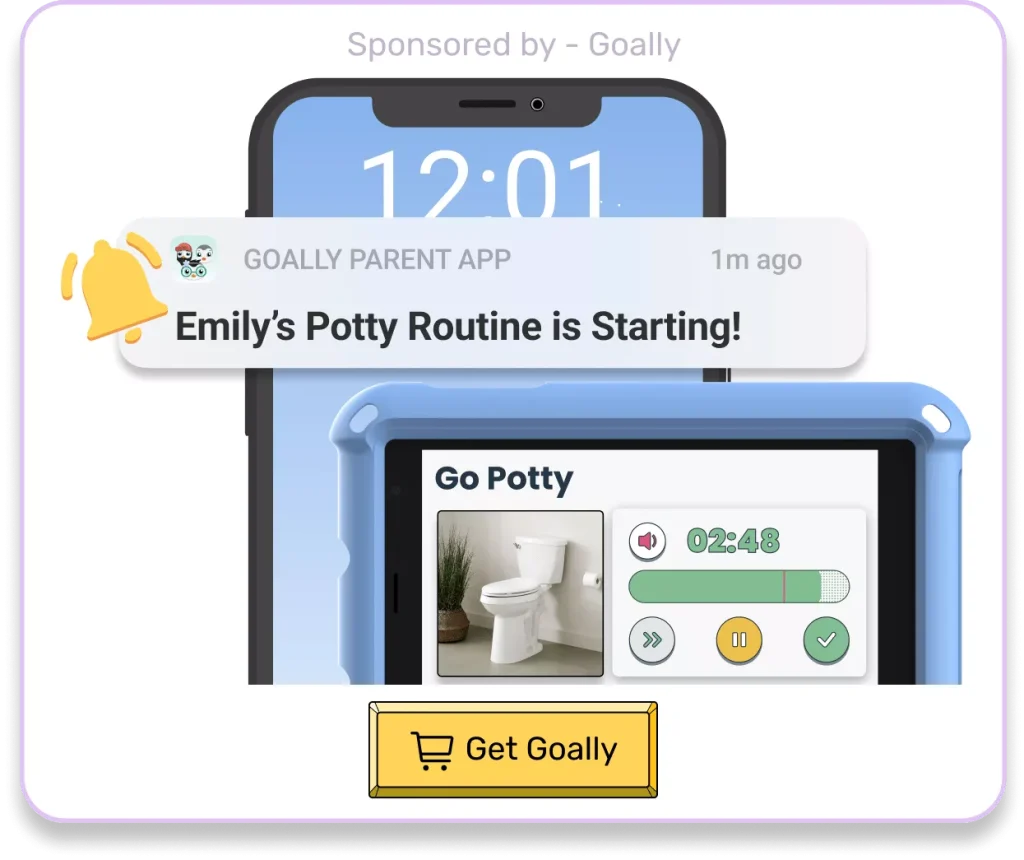
Does your child struggle with getting ready in the morning independently? Goally’s routine app on the best tablet for kids breaks down large tasks into small, achievable steps for autistic kids. Create custom routines with your own videos & pictures for every step.
Helping a child with autism requires patience, understanding, and adaptability. By using visual schedules, encouraging sensory regulation, and fostering a structured environment, parents can empower their kids to navigate the world with confidence. The journey might have challenges, but the rewards of watching your child thrive are unparalleled.
Helpful Resources
FAQs About Childhood Autism
What are the early signs of autism in a child?
Early signs of autism in a child may include limited eye contact, lack of social smiles or response to their name, and repetitive behaviors like rocking or flapping.
How does a visual schedule aid an autistic child's learning?
Visual schedules provide a structured, predictable routine that can help children with autism understand and manage their day, reducing anxiety and improving independence.
What is the role of emotional regulation apps in managing autism?
Emotional regulation apps provide interactive tools that teach children with autism to identify, understand, and manage their emotions, fostering improved self-regulation and social interaction.
How can rewards support behavior management in autistic children?
Rewards can reinforce positive behaviors and skills in children with autism, fostering motivation and a sense of achievement, while also providing clear expectations and consequences.
Can autism be cured?
There is no known "cure" for autism. However, early intervention with therapies like behavioral, speech, and occupational therapy can significantly improve a child's development and quality of life.
This post was originally published on 06/06/2023. It was updated on 12/19/2024.

Emily is a seasoned blog writer for Goally, leveraging her extensive background in child psychology and special education to provide valuable insights and resources for parents. Her commitment to understanding and addressing the unique needs of these children, combined with her expertise in educational strategies, makes her a credible and empathetic voice for families.