I’ve found that behavior cue cards can be a game-changer for managing children’s behavior effectively. Parents can leverage these cards as an alternative to verbal directions or as an additional reinforcement tool. The cards are particularly beneficial when working with visual learners, making it easier to prompt and establish desired behaviors. Whether at home, in school, or elsewhere, these cue cards are a practical solution for guiding
So, when it comes to using cue cards to help a child with their behavior, there are a few things to keep in mind. Firstly, you want to make sure that the behaviors on the card are things that the child already knows how to do. This will increase the chances of success and prevent frustration.
Secondly, the cue cards should be easy to understand and display the behavior clearly. To make it even more effective, you can include a picture of the desired behavior on the card and label it with a few keywords that reflect the actions you want to see the child take. By doing this, you’re creating a visual guide that reinforces positive behavior and promotes better habits.

Read more: ADHD and Social Cues
Keep the cue cards somewhere they’re readily available. You can laminate the cards and hole punch them to keep them on a ring for increased accessibility. They’re especially useful in a classroom or a loud environment. You can use them to direct a child without speaking and avoid increasing the volume level in a space.
Table of Contents
Using Cue Cards for Behavior
Be sure that however you use the cue cards for behavior, you do so consistently. Be positive and encouraging instead of using them as a form of punishment. If you choose to give the child a reward after demonstrating the behaviors on the cue cards, use the rewards consistently to help increase the effectiveness.
If you have a specific behavior on a cue card that a child is having difficulty with, you may need to take a step back. Talk to your child and reflect on what they’re capable of. You should demonstrate the targeted behavior and take time to explain how they can achieve it as well. Remember, patience is essential. Your child may learn differently and at a different pace, but that doesn’t mean they can’t achieve their goals.
Goally | Apps That Build Behavior & Life Skills for Kids
Want to keep your child motivated while building essential behavior and life skills? Goally’s skill-building tablet is designed to celebrate small wins and help your child grow. Our Behavior Tracker helps you reward your kid for specific skills, like “being kind” or “flushing the toilet.”
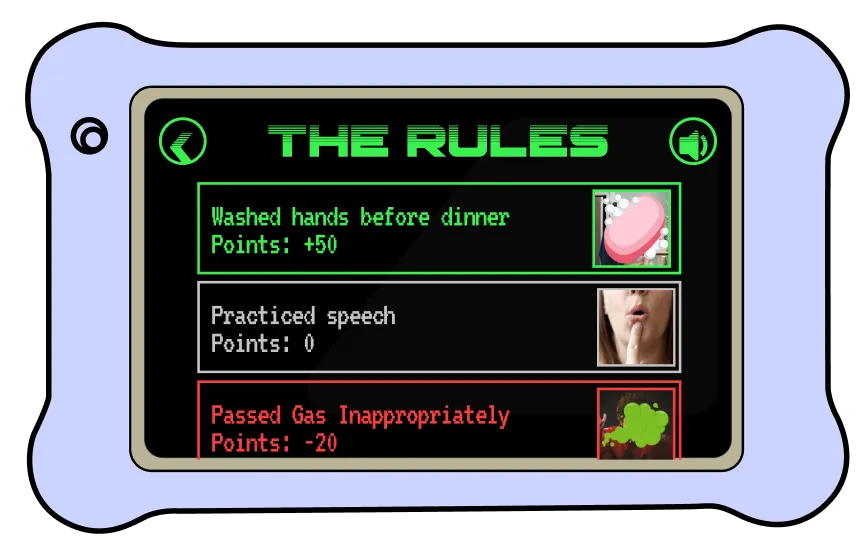
By setting clear expectations and rewarding their efforts, you foster a positive environment for your child to flourish in their behavioral skills journey.
In conclusion, cue cards are a powerful tool for reinforcing positive behavior and promoting better habits in children, particularly visual learners. To make the most of cue cards, ensure that the behaviors on the cards are already familiar to the child, and make them easy to understand with clear visuals and concise labeling. Keep the cards readily accessible, perhaps by laminating them and placing them on a ring, especially in busy environments. Consistency is key when using cue cards, so use them positively and consistently, avoiding punishment and incorporating rewards to enhance effectiveness. Remember to be patient and understanding, as each child learns at their own pace. With cue cards as a guiding tool, your child can achieve their goals and thrive.
Helpful Resources
FAQ’s About Cue Cards
What are cue cards and how are they used with children?
Cue cards are visual prompts that use images or simple text to guide children through tasks, routines, or social situations, helping them understand expectations and follow instructions.

How can cue cards benefit children with special needs?
Cue cards can significantly improve communication, reduce anxiety, and increase independence for children with special needs by providing clear, visual instructions for various activities.

What types of situations are cue cards helpful for?
Cue cards can be useful for daily routines, social interactions, emotional regulation, academic tasks, and behavior management.

At what age can children start using cue cards?
Children can start using cue cards as young as 2 or 3 years old, but they're beneficial for all ages, including teens and adults who need visual support.

How do you create effective cue cards for children?
Effective cue cards should use clear, simple images or text, be easily understood by the child, and focus on one task or concept per card.
This post was originally published on 12/28/2022. It was updated on 08/16/2024.

Emily is a seasoned blog writer for Goally, leveraging her extensive background in child psychology and special education to provide valuable insights and resources for parents. Her commitment to understanding and addressing the unique needs of these children, combined with her expertise in educational strategies, makes her a credible and empathetic voice for families.