A personal space social story is a visual tool used to help kids understand boundaries and the concept of personal space in different situations. This guide will help you create an engaging personal space social story for neurodivergent kids, including strategies and tips that promote social skills development.
Key Takeaways:
- Understand the importance of teaching personal space to neurodivergent kids.
- Steps to create a personalized social story tailored to your child’s needs.
- Visual and interactive elements enhance engagement.
- Consistency and positive reinforcement are essential for learning.
What is personal space social social story? Teaching personal space can feel overwhelming, especially for parents of neurodivergent kids. A personal space social story breaks down scenarios into simple, relatable steps, showing what personal space is and why it matters — while making it fun and memorable.
Table of Contents
Why Personal Space is Important for Neurodivergent Kids
Personal space helps kids understand physical boundaries in social situations. Neurodivergent kids, such as those with autism, often struggle with this concept. Teaching personal space can reduce anxiety, prevent misunderstandings, and improve social interactions.
Kids often learn best through visual cues, repetition, and storytelling. Social stories cater to this by offering concrete examples and simple language, reinforcing what appropriate personal space looks like in different settings. In turn, this boosts their confidence in social interactions.

Read more: Social Stories for Kids With Autism
How to Create an Effective Personal Space Social Story
Crafting a personal space social story involves several steps. Here’s a detailed approach:
1. Identify Key Scenarios
Start by choosing situations where your child struggles with personal space. Common examples include:
- Classroom settings
- Playdates or social gatherings
- Family events
Each scenario should be relatable to your child. Focus on concrete examples that they’ve experienced or are likely to encounter. This makes the social story more meaningful and easier to understand.
2. Use Simple and Direct Language
When writing the social story, keep sentences short and straightforward. For example, “When I sit next to someone, I keep an arm’s length distance” is clear and easy for young kids to grasp. Use positive language, emphasizing what they can do rather than what they shouldn’t do.
3. Incorporate Visuals and Interactive Elements
Pictures, illustrations, or even photos of your child in the scenarios make the social story more engaging. Visuals are especially helpful for neurodivergent kids, as they provide concrete examples to reinforce the message.
You can also make the story interactive by asking questions like, “What do you think will happen next?” or using flaps to reveal responses. This encourages active participation.
Structuring Your Personal Space Social Story
Consider a simple structure:
- Introduction: Briefly explain what personal space is.
- Scenario Descriptions: Describe different situations where personal space matters.
- Expected Behavior: Clearly outline what your child can do in each scenario.
- Reinforcement: Use positive reinforcement to reward progress.

Read more: Teach Kids How to Not Take Things Personally
Reinforcing the Story Over Time
Repetition is key. Read the social story together regularly, particularly before events where your child may struggle with personal space. Practice role-playing scenarios to help your child generalize the skill to real-life situations.
Use positive reinforcement, like stickers or praise, when your child respects personal space. Celebrate their progress — every small step matters!
Helpful Tips for Success
Here are some additional strategies for success:
- Make it personalized: Tailor the story to reflect your child’s interests and experiences.
- Use consistent language: Repeat key phrases to build familiarity.
- Practice daily: Incorporate reminders during everyday interactions.
Goally | 100+ Streaming Video Classes
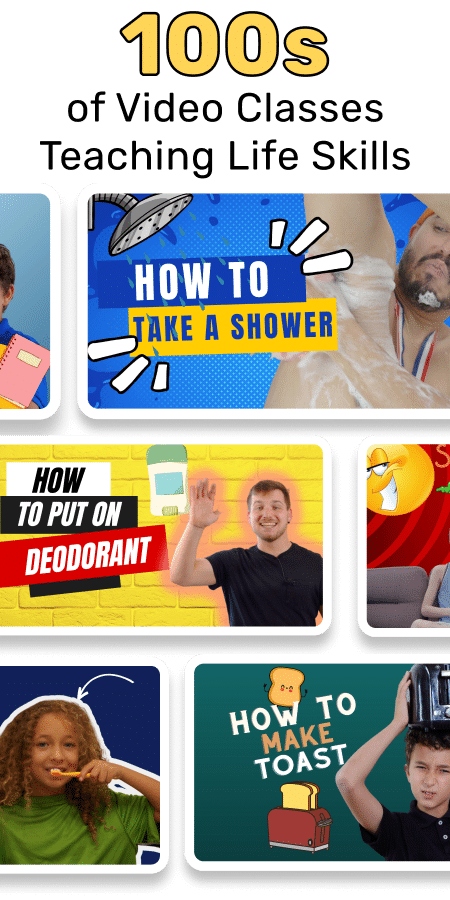
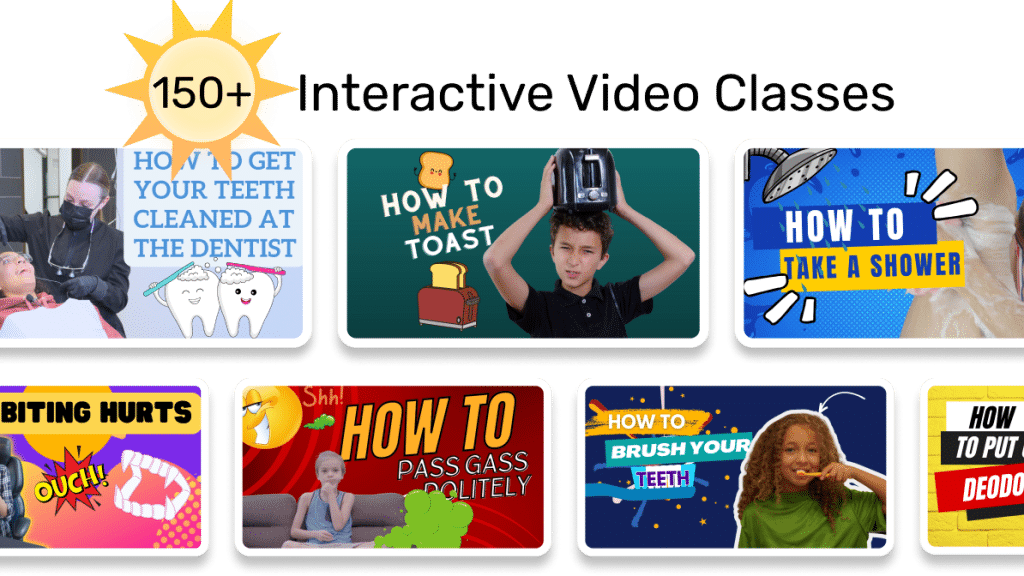
Does your child need some extra guidance on building essential life skills? Goally’s skill building tablet for kids includes a TV app that has the most robust video library of skills training videos for kids. Ranging from content like “How to Brush Your Teeth” to “How to Make Friends at School,” we have dozens of interactive video lessons for kids with thinking and learning differences.
HERE’s a video explaining how to works.
Creating a personal space social story offers a practical, engaging way to teach neurodivergent kids about boundaries. With patience, consistency, and creativity, you can help your child navigate social interactions with confidence and respect for others’ space.
Resources:
FAQs About Personal Space Social Story
What is a personal space social story?
A personal space social story is a visual and written guide that helps children understand the concept of personal boundaries.

Why are personal space social stories important for kids?
They teach children how to respect others' boundaries, which is crucial for positive social interactions.

How do you create a personal space social story?
Create a personal space social story by using simple language and visuals to illustrate the concept of personal space in relatable situations.

Who can benefit from personal space social stories?
Children, especially those with autism or social communication challenges, can benefit from personal space social stories.

How often should you review a personal space social story with your child?
Review the story regularly, especially before social situations, to reinforce the concept of personal space.
This post was originally published on 08/14/2024. It was updated on 11/14/2024.

Emily is a seasoned blog writer for Goally, leveraging her extensive background in child psychology and special education to provide valuable insights and resources for parents. Her commitment to understanding and addressing the unique needs of these children, combined with her expertise in educational strategies, makes her a credible and empathetic voice for families.