Having worked closely with countless children, I’ve observed many concerns from parents like you questioning, “Does my child have a learning disability?” It’s a challenging journey, and you’re not alone. In this blog post, we’ll explore how to recognize the signs of learning disabilities, guide you in seeking professional help, and share effective strategies to support your neurodivergent child. You’ll find essential information about common types of learning disabilities, early warning signs, and practical tips for fostering a supportive environment at home.
Table of Contents
Common Types of Learning Disabilities
Firstly, let’s explore some common types of learning disabilities that affect many kids:
- Dyslexia: Difficulty with reading, spelling, and writing.
- Dyscalculia: Struggles with mathematical concepts and problem-solving.
- Dysgraphia: Challenges with handwriting and fine motor skills.
- Auditory Processing Disorder: Difficulty understanding spoken language.
- Nonverbal Learning Disability: Trouble with nonverbal cues and social skills.
| Learning Disability | Description |
|---|---|
| Dyslexia | Difficulty with reading, spelling, and writing |
| Dyscalculia | Struggles with mathematical concepts and problem-solving |
| Dysgraphia | Challenges with handwriting and fine motor skills |
| Auditory Processing Disorder | Difficulty understanding spoken language |
| Nonverbal Learning Disability | Trouble with nonverbal cues and social skills |
Early Warning Signs of Learning Disabilities
It’s crucial to recognize the early warning signs of learning disabilities. Here are some indicators to watch for:
- Delayed speech or language development.
- Difficulty following directions or understanding instructions.
- Trouble with reading, writing, or math skills.
- Poor memory or attention span.
- Struggles with social interactions and making friends.

Read more: Learning Disability Test for Kids
Moreover, it’s essential to remember that each child develops at their own pace. However, if you notice consistent difficulties in any of these, it may be important to consider whether your child has a learning disability.
Seeking Professional Help
If you’re wondering, “Does my child have a learning disability?” and suspect they might, it’s essential to seek professional help. Here are some steps to follow:
- Consult with your child’s teacher: Discuss your concerns and ask for their observations.
- Schedule an evaluation: Request a comprehensive assessment from a professional, such as a psychologist or educational specialist.
- Collaborate on an Individualized Education Plan (IEP): Work with your child’s school to develop a tailored plan that addresses their unique needs.

Read more: Is Autism a Learning Disability?
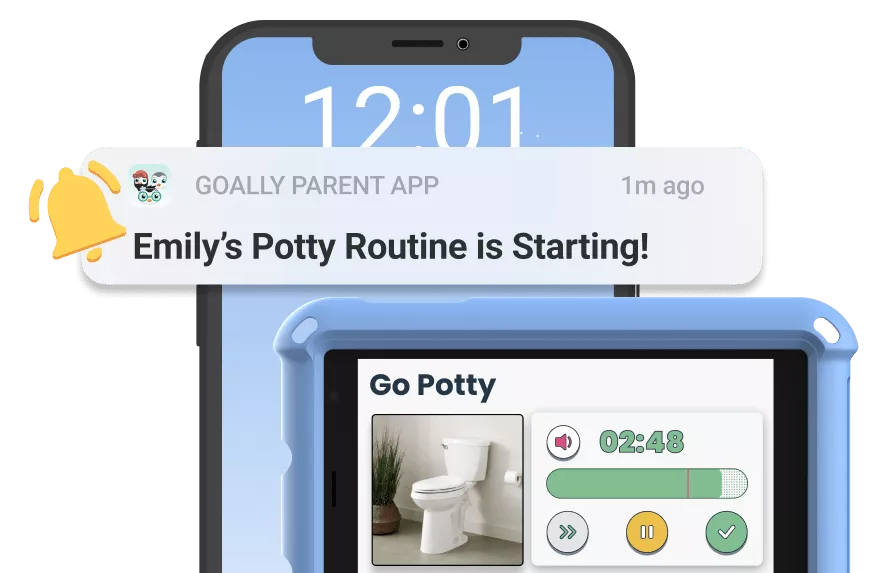
In addition to these steps, consider using tools like Goally, which offers a learning tablet for kids, and apps designed to support neurodivergent children in their learning journey.
Strategies to Support Your Neurodivergent Child
Once you’ve identified a learning disability, it’s crucial to provide support for your child. Here are some practical tips:
- Create a positive learning environment: Create a safe, nurturing space where your child feels comfortable and encouraged.
- Communicate openly: Maintain open lines of communication with your child, their teachers, and support professionals.
- Encourage strengths: Focus on your child’s strengths and interests to boost their confidence and motivation.
Furthermore, consider implementing tools like Goally to help your kid stay organized and on track with their daily routines and tasks.
Embracing Your Child’s Unique Abilities
Above all, remember that neurodivergent kids possess unique abilities and strengths. By recognizing and embracing these qualities, you can help your child reach their full potential. Here are some ways to celebrate your child’s individuality:
- Encourage creativity: Provide opportunities for your child to express themselves through art, music, or other creative outlets.
- Promote problem-solving: Help your child develop critical thinking skills by engaging them in activities that require problem-solving and decision-making.
- Teach resilience: Model and teach your child how to bounce back from setbacks and persevere through challenges.
Goally | Apps To Support Child Development
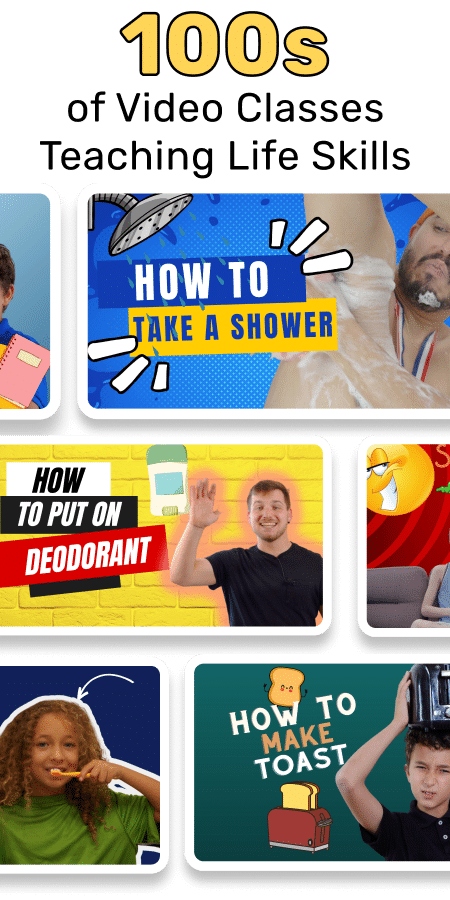
Looking for fun ways to help your child learn life skills? Try Goally! The Goally tablet comes with award-winning learning apps and video classes to help kids develop the skills they need to become independent with FUN & evidence-based practices.
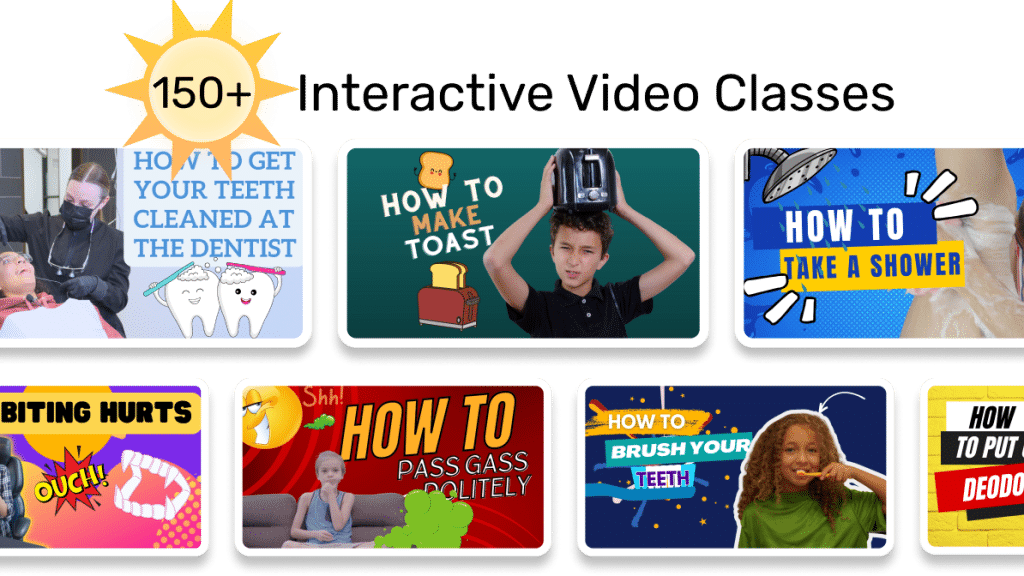
Our apps teach executive function, language, emotional regulation, finger dexterity skills, and more.
As your child develops new skills, you can increase the difficulty level of the tasks in the app to challenge and motivate them even further. This helps your child grow and progress at their own pace, while also keeping them engaged and excited about their development.
In short, understanding the signs of learning disabilities and seeking professional help are crucial steps in supporting your neurodivergent child. By using the strategies outlined in this blog post, you can create a nurturing environment that fosters growth and success for your child. Remember, every child is unique, and with the right support, they can overcome challenges and thrive.
Helpful Resources
FAQ’s About Does My Child Have a Learning Disability
What are common signs of a learning disability in children?
Common signs include difficulty reading, writing, or understanding instructions, and struggling with math or memory.

How can I tell if my child has a learning disability?
If your child consistently struggles with schoolwork despite effort, it may be worth seeking an evaluation.

What should I do if I suspect my child has a learning disability?
Consult with your child's teacher and consider getting a professional evaluation from a specialist.

Can learning disabilities be diagnosed in young children?
Yes, learning disabilities can be diagnosed in young children, often as early as preschool age.

How are learning disabilities treated?
Learning disabilities are typically managed through specialized education plans, tutoring, and support services tailored to the child's needs.
This post was originally published on 05/25/2023. It was updated on 08/16/2024.

Emily is a seasoned blog writer for Goally, leveraging her extensive background in child psychology and special education to provide valuable insights and resources for parents. Her commitment to understanding and addressing the unique needs of these children, combined with her expertise in educational strategies, makes her a credible and empathetic voice for families.