As a licensed practitioner who works with kids, I’ve seen my fair share of hand flapping. It’s a common behavior in toddlers that usually occurs when they are excited, anxious, or upset. Most children will outgrow this behavior by their second or third birthday as they become better at controlling unexpected emotions. If the child grows out of these behaviors, generally around 3 years of age, then it is not much worrisome. However, there are times when hand flapping can be a sign of something more serious, like autism or sensory processing disorder. In this article, we’ll explore at what age hand flapping is a concern and what you can do as a parent to support your child.
Table of Contents
Understanding Hand Flapping
Before we dive into when hand flapping becomes a concern, let’s first understand what it is. Hand flapping is a repetitive movement where a child rapidly moves their hands or arms up and down, often in front of their face. It’s a form of self-stimulatory behavior, also known as stimming, which helps children regulate their emotions and sensory input.
According to a study published in the Journal of Autism and Developmental Disorders, approximately 94% of children with autism engage in some form of repetitive behavior, including hand flapping. However, not all children who flap their hands have autism. It’s important to look at the whole picture and consider other factors before jumping to conclusions.
When is Hand Flapping a Concern?
So, at what age is hand flapping a concern? The answer isn’t always clear-cut, but there are some general guidelines to keep in mind:
- If your child is still hand flapping regularly after their third birthday, it may be a sign of a developmental delay or disorder.
- If the hand flapping is accompanied by other symptoms, such as delayed speech, difficulty with social interactions, or sensory sensitivities, it’s worth bringing up with your pediatrician.
- If the hand flapping interferes with your child’s daily life or causes distress, seeking professional help is important.
It’s also important to note that every child develops differently, and what may be concerning for one child may be perfectly normal for another. Trust your instincts as a parent, and don’t hesitate to reach out for support if you have concerns.
What are stereotyped behaviors?
Supporting Your Child
If you’re worried about your child’s hand flapping, there are some things you can do to support them:
- Talk to your pediatrician. They can assess your child’s development and refer you to specialists.
- Consider occupational therapy. An occupational therapist can help your child develop coping strategies and alternative behaviors to replace hand flapping.
- Create a sensory-friendly environment. Please provide your child with sensory toys and activities to help them regulate their emotions and sensory input.
- Be patient and understanding. Remember that hand flapping is often a way for children to cope with overwhelming emotions or sensory experiences. Offer support and reassurance instead of trying to stop the behavior.
When to Seek Professional Help
If you’re still unsure whether your child’s hand flapping is a concern, it’s always better to err on the side of caution and seek professional help. Here are some signs that it may be time to talk to your pediatrician or a specialist:
- Your child is still hand flapping regularly after age 3
- The hand flapping is accompanied by other developmental delays or concerns
- Your child seems distressed or overwhelmed by their hand flapping
- The hand flapping is interfering with your child’s ability to learn, socialize, or engage in daily activities
Remember, early intervention for developmental delays or disorders is key. The sooner you seek help, the better the outcomes for your child.
Goally | Visual Scheduler for Autism
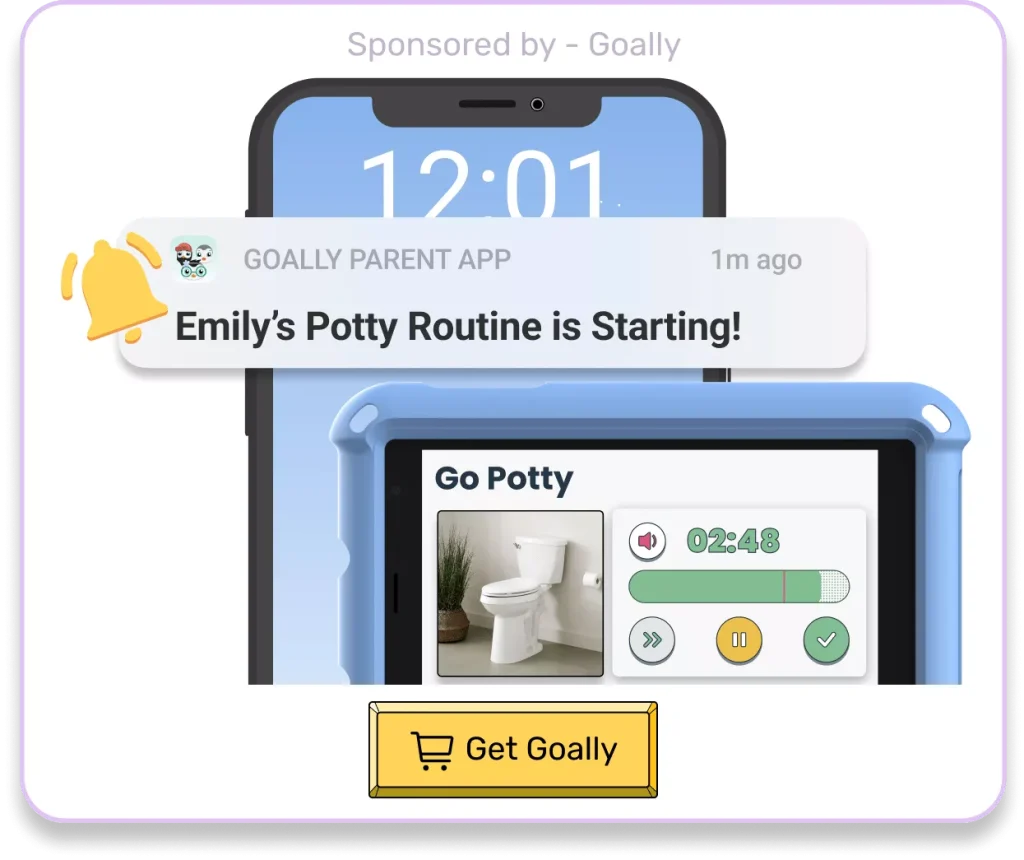
Does your child struggle with getting ready in the morning independently? Goally’s routine app on the best tablet for kids breaks down large tasks into small, achievable steps for autistic kids. Create custom routines with your own videos & pictures for every step.
Hand flapping can be concerning for parents, especially when it persists beyond the toddler years. While it’s not always a sign of a developmental delay or disorder, it’s important to trust your instincts and seek professional help if you have concerns. By understanding hand flapping, supporting your child with sensory-friendly activities and coping strategies, and knowing when to seek help, you can help them thrive and reach their full potential.
Helpful Resources
FAQ’s About At What Age is Hand Flapping a Concern?
What is hand flapping?
Hand flapping is a repetitive movement where a child rapidly moves their hands or arms up and down, often in front of their face, as a form of self-stimulatory behavior to help regulate emotions and sensory input.

Is hand flapping always a sign of autism?
While hand flapping is common among children with autism, not all children who flap their hands have autism, and it's important to consider other factors and the whole picture before jumping to conclusions.

At what age should I be concerned about hand flapping?
If your child is still hand flapping regularly after their third birthday, it may be a sign of a developmental delay or disorder, especially if accompanied by other symptoms like delayed speech or difficulty with social interactions.

How can I support my child who is hand flapping?
You can support your child by talking to your pediatrician, considering occupational therapy, creating a sensory-friendly environment with sensory toys and activities, and being patient and understanding, offering support and reassurance instead of trying to stop the behavior.

When should I seek professional help for my child's hand flapping?
It's better to err on the side of caution and seek professional help if your child is still hand flapping regularly after age 3, if the behavior is accompanied by other developmental delays or concerns, if your child seems distressed or overwhelmed by their hand flapping, or if it interferes with their ability to learn, socialize, or engage in daily activities.

Emily is a seasoned blog writer for Goally, leveraging her extensive background in child psychology and special education to provide valuable insights and resources for parents. Her commitment to understanding and addressing the unique needs of these children, combined with her expertise in educational strategies, makes her a credible and empathetic voice for families.