

Working with neurodivergent children has given me a deep understanding of their unique needs and strengths. In this guide, I aim to provide practical strategies and activities for parents seeking support for their autistic child. We’ll explore understanding sensory needs and fostering social skills, offering you actionable tips and insights. Let’s approach this journey equipped with knowledge and compassion.
Table of Contents
Embrace Their Unique Abilities and Interests
First and foremost, it’s essential to recognize and celebrate your child’s unique abilities and interests. Autistic kids often have intense passions or “special interests” that can be for learning and growth. Encourage these interests by providing opportunities for exploration and skill development. For example, if your child loves animals, consider visiting a zoo, watching nature documentaries, or engaging in animal-related crafts.
By embracing their interests, you’re not only supporting their development but also building their self-esteem. This can lead to a stronger bond between you and your child, as well as a more enjoyable learning experience. Goally’s learning tablet for kids can be a valuable tool in this process, offering customizable apps tailored to your child’s interests and needs. This will help you know what to do with an autistic child.
Understand Sensory Needs and Create a Comfortable Environment
Many autistic kids experience sensory sensitivities, which can impact their daily lives. To support your child, identify their specific sensory needs and create a comfortable environment. For instance, if your child is sensitive to noise, provide noise-canceling headphones or designate a quiet space in your home. Similarly, consider incorporating sensory-friendly activities, such as weighted blankets, fidget toys, or calming scents, to help regulate their sensory experiences.

Read more: What Are Signs of Autism?
Creating a sensory-friendly environment can make a significant difference in your child’s comfort and well-being. Here are some tips to get started:
- Use soft lighting, or dimmer switches to control brightness
- Choose furniture with comfortable textures and materials
- Minimize clutter and maintain a clean, organized space
- Offer a variety of sensory tools and toys for self-regulation
Foster Social Skills Through Play and Interaction
Developing social skills is crucial for autistic kids, and playtime offers a natural opportunity for growth. Engage your child in activities that promote social interaction, such as board games, role-playing, or team sports. Moreover, consider enrolling your child in social skills groups or therapy programs tailored to their needs. Remember, practice makes perfect, so be patient and consistent in your efforts.
Here are some activities to encourage social skills:
- Cooperative games that require teamwork and communication
- Imaginative play, such as dress-up or storytelling
- Group art projects or collaborative building activities
- Outdoor games like tag or hide-and-seek
Establish Routines and Visual Schedules
Routine and structure provide a sense of security for autistic kids. Establish daily routines for activities like meals, bedtime, and homework, and maintain consistency whenever possible. Use visual schedules to help your child understand and anticipate upcoming events. This reduces anxiety and promotes independence in completing tasks, ensuring you know exactly what to do to support an autistic child.
An effective visual schedule should include the following components:
- Clear, simple images or icons to represent activities
- Events arranged in chronological order
- Displayed in a prominent, accessible location
- Updated regularly to reflect changes or new activities
Collaborate With Educators and Therapists
A strong support network is vital for your child’s success. Collaborate with educators, therapists, and other professionals to ensure your child receives the necessary accommodations and resources. Maintain open communication, share your insights, and advocate for your child’s needs. Together, you can create a supportive and inclusive environment that fosters growth and development.

Read more: What is the Hardest Part of ADHD?
Goally’s apps for kids with thinking and learning differences can be an excellent resource for educators and therapists. By integrating Goally into your child’s support network, you can ensure a more cohesive and effective approach to their development.
Prioritize Self-Care and Family Time
Lastly, remember that caring for yourself and nurturing family relationships is essential. Prioritize self-care by setting aside time for relaxation, hobbies, or socializing. Furthermore, engage in family activities that promote bonding and create positive memories. This will not only benefit your mental health but also model healthy habits for your child.
Here are some ideas for family activities:
- Movie or game nights
- Nature walks or outdoor adventures
- Cooking or baking together
- Participating in community events or volunteering
Goally | Apps To Support Child Development
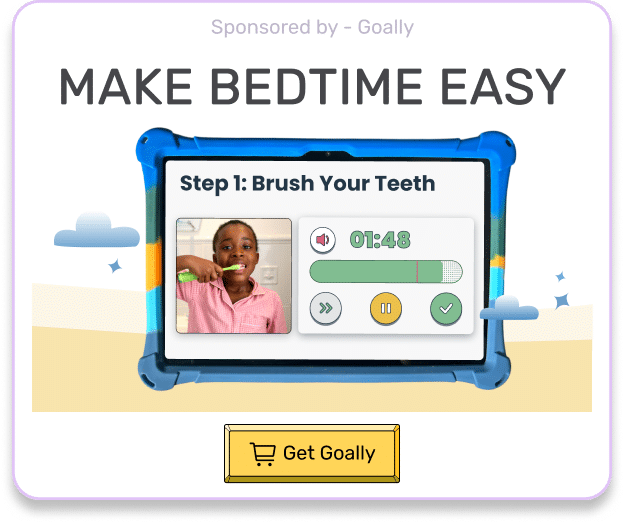
Looking for fun ways to help your child learn life skills? Try Goally! The Goally tablet comes with award-winning learning apps and video classes to help kids develop the skills they need to become independent with FUN & evidence-based practices.
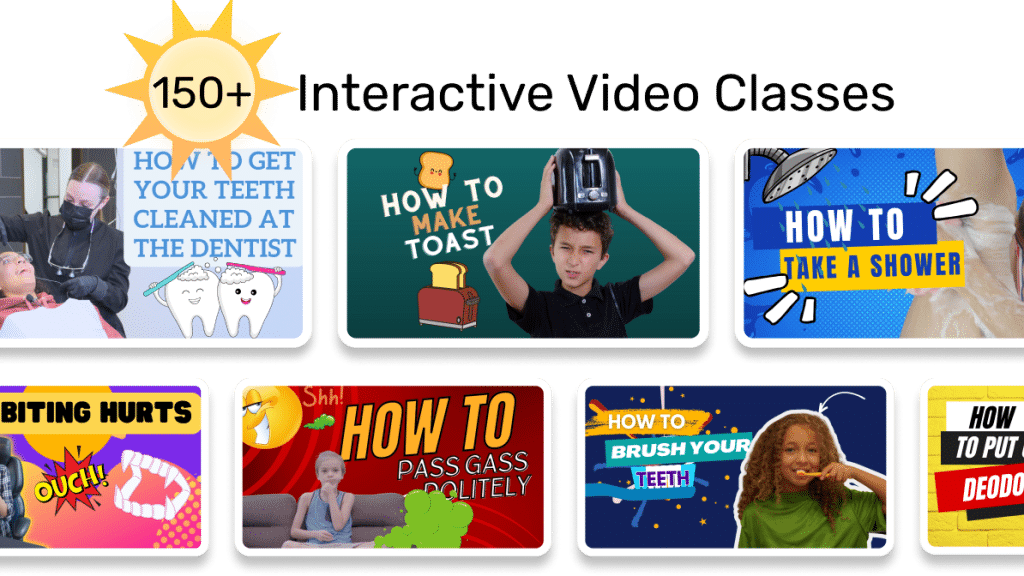
Our apps teach executive function, language, emotional regulation, finger dexterity skills, and more.
As your child develops new skills, you can increase the difficulty level of the tasks in the app to challenge and motivate them even further. This helps your child grow and progress at their own pace, while also keeping them engaged and excited about their development.
In short, supporting your autistic child’s growth and development involves understanding their unique needs, fostering social skills, and collaborating with professionals. By implementing these strategies and prioritizing self-care, you can create a nurturing environment that empowers your child to thrive. So, embrace the journey and celebrate your child’s progress every step of the way.
FAQ’s About What to Do With An Autistic Child
What activities are beneficial for an autistic child?
Activities like sensory play, visual schedules, and social stories are beneficial for an autistic child.

How can parents support an autistic child's communication skills?
Parents can support communication skills by using picture exchange communication systems (PECS) and speech therapy.

What role does routine play in the life of an autistic child?
Routine provides stability and reduces anxiety for an autistic child.

Can technology help an autistic child learn and grow?
Yes, technology such as educational apps and visual schedules can aid in an autistic child's learning and development.

How important is early intervention for an autistic child?
Early intervention is crucial for improving the developmental outcomes of an autistic child.
This post was originally published on 05/19/2023. It was updated on 08/05/2024.

Emily is a seasoned blog writer for Goally, leveraging her extensive background in child psychology and special education to provide valuable insights and resources for parents. Her commitment to understanding and addressing the unique needs of these children, combined with her expertise in educational strategies, makes her a credible and empathetic voice for families.




