In my experience working with kids, I’ve found that many struggle with staying focused in the Classroom. Whether due to ADHD, anxiety, or other challenges, maintaining attention can be tough. Providing the right strategies and tools to help them succeed is crucial. In this blog, I’ll share practical steps for helping your child focus in the Classroom. These steps are based on my professional insights and supported by research. By the end of this post, you’ll have actionable strategies to implement immediately to make a real difference in your child’s school experience.
Table of Contents
1. Establish a Consistent Routine
Consistency is key for helping kids stay focused. A predictable routine can reduce anxiety and help kids know what to expect, making paying attention easier.
Create a Daily Schedule
- Morning preparation: Start the day with a calm, organized morning routine to set the tone for focus.
- Homework and study times: Schedule regular times for homework and studying to build a habit of concentration.
Use Visual Schedules
- Visual aids: Use charts or apps to display the daily schedule, helping kids understand and follow their routines.
- Checklists: Create checklists for tasks to provide a clear sense of accomplishment when each item is completed.
Build Custom Printable Visual Schedules
Is your child having trouble managing their routines? Here’s a free visual schedule builder. Goally’s custom tool allows you to create printable personalized schedules that motivate your child to focus on their tasks. Perfect for morning, homework, and bedtime routines, this free visual schedule builder is easy to use and will help your child reach their full potential.
Click below to make your CUSTOM printable visual schedule! 👇
2. Create a Distraction-Free Environment
Minimizing distractions is crucial for maintaining focus. Ensure the study area is quiet, organized, and free from unnecessary stimuli.
Set Up an Ideal Study Space
- Quiet area: Choose a quiet location away from noise and activity.
- Organized space: Keep the study area tidy and free from clutter.
Limit Electronic Distractions
- Device management: Use apps to block distracting websites during study time.
- Phone policies: Establish rules about phone use during homework and study sessions.
Goally | The Tablet for Neurodiverse Kids

3. Break Tasks into Manageable Chunks
Large tasks can be overwhelming for kids. Breaking them into smaller, manageable pieces can help them stay focused and motivated.
Use the Pomodoro Technique
- Timed intervals: Work for 25 minutes, then take a 5-minute break. Repeat this cycle to maintain focus.
- Breaks for relaxation: Use breaks to stretch, move around, and refresh the mind.
Create Step-by-Step Plans
- Task lists: Break down assignments into smaller tasks and list them out.
- Prioritization: Help kids prioritize tasks to tackle the most important ones first.
4. Incorporate Movement and Breaks
Physical activity can boost concentration and reduce restlessness. Incorporate regular movement breaks to help your child stay focused.
Schedule Regular Breaks
- Movement breaks: Include short, active breaks between study sessions.
- Brain breaks: Use fun, quick activities to re-energize the mind.
Encourage Physical Activity
- Exercise routines: Encourage daily exercise routines to improve overall focus and well-being.
- Outdoor play: Promote outdoor activities for physical and mental refreshment.
5. Use Positive Reinforcement
Positive reinforcement can motivate kids to stay focused. Rewarding effort and achievements helps build good study habits.
Implement a Reward System
- Reward charts: Use charts to track progress and reward accomplishments.
- Incentives: Offer small rewards, like extra playtime or a favorite snack, for completing tasks.
Give Specific Praise
- Praise efforts: Focus on the effort rather than the outcome. “You worked hard on your math homework today!”
- Encourage persistence: Recognize and encourage persistence in challenging tasks.
Read more: Tips to Help Your Child Improve Focus and Concentration in School
6. Teach Self-Monitoring Techniques
Helping kids develop self-monitoring skills can improve their ability to focus. Self-awareness and reflection are key components.
Use Self-Monitoring Tools
- Check-in systems: Implement systems where kids can check their own progress.
- Reflection journals: Encourage keeping a journal to reflect on their daily tasks and focus levels.
Set Goals and Track Progress
- Goal setting: Help kids set achievable goals for their study sessions.
- Progress tracking: Use tools like charts or apps to track progress and celebrate successes.
7. Foster a Growth Mindset
Encouraging a growth mindset can help kids view challenges as opportunities to learn and grow. This positive attitude can enhance focus and perseverance.
Encourage Positive Self-Talk
- Model positive language: Use phrases that promote a growth mindset, like “You can do this!”
- Teach resilience: Help kids understand that mistakes are part of learning and encourage them to keep trying.
Celebrate Effort, Not Just Results
- Recognize hard work: Acknowledge the effort put into tasks, regardless of the outcome.
- Value persistence: Emphasize the importance of persistence and continuous improvement.

8. Collaborate with Teachers
Working closely with your child’s teachers can provide additional support and insights into how to help them focus in the Classroom.
Regular Communication
- Parent-teacher meetings: Schedule regular meetings to discuss your child’s progress and any concerns.
- Stay informed: Keep up-to-date with classroom activities and expectations.
Develop Support Plans
- IEP and 504 Plans: If applicable, work with the school to create individualized support plans.
- Classroom strategies: Collaborate on strategies to help your child stay focused and engaged.
9. Incorporate Technology Wisely
Technology can be a double-edged sword. Using it wisely can enhance focus and learning.
Use Educational Apps
- Focus apps: Utilize apps designed to improve concentration and study habits.
- Interactive learning tools: Engage kids with interactive educational tools that make learning fun.
Set Technology Boundaries
- Screen time limits: Establish clear rules about screen time to prevent distractions.
- Tech-free zones: Designate areas or times where technology use is restricted.
10. Practice Patience and Empathy
Helping a child focus requires patience and understanding. Empathy can go a long way in supporting your child’s concentration efforts.
Show Understanding
- Listen actively: Pay attention to your child’s feelings and frustrations.
- Provide support: Offer reassurance and support when they struggle with focus.
Stay Positive
- Maintain a positive attitude: Keep a positive outlook and encourage your child to do the same.
- Be patient: Understand that improving focus takes time and persistence.
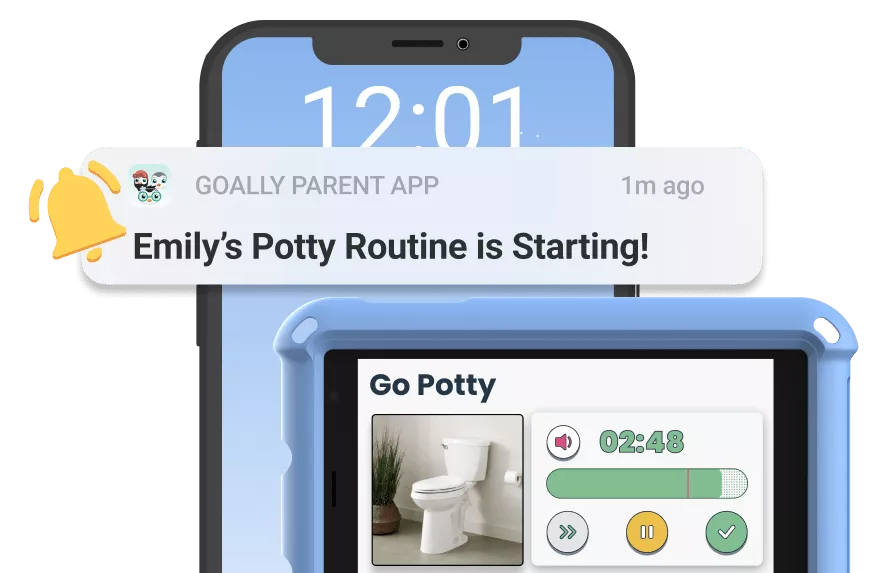
Evidence shows that kids learn best when they’re having fun. Many teachers recommend using learning tech like Goally to engage with kids in a way they love.
In the classroom, Goally can help kids with:
- Following directions by providing visual and verbals supports to help them understand each task.
- Staying on task by providing timers and reminders to help them stay focused.
- Communicating with their teachers and peers through the AAC Talker app that allows them to express wants and needs.
- Identifying and regulating their emotions before children have a meltdown because they are overstimulated.
Goally’s distraction-free kid’s tablet can be used as a therapy tool to help teach executive function, language, emotional regulation, finger dexterity skills, and more!
By implementing these strategies, you can help your child improve their focus in the Classroom. Remember, every child is different, and it may take trial and error to find what works best for your child. Stay patient and consistent, and celebrate the small victories along the way.
Helpful Resources
FAQ’s About How to Help a Child Focus in the Classroom
How can I create a distraction-free environment for my child to study?
Set up a quiet, organized study space away from noise and distractions, and limit access to electronic devices during study time.

What are some effective ways to help my child stay focused in the classroom?
Use visual schedules, break tasks into smaller chunks, and incorporate regular movement breaks to help maintain focus.

How can I use positive reinforcement to improve my child's focus?
Implement a reward system with praise and incentives for completing tasks and staying on track.

What is the Pomodoro Technique and how can it help my child focus?
The Pomodoro Technique involves working for 25 minutes and then taking a 5-minute break, helping to maintain concentration and prevent burnout.

Why is a consistent routine important for helping a child focus?
A consistent routine provides structure and predictability, reducing anxiety and helping kids know what to expect, which aids in maintaining focus.

Emily is a seasoned blog writer for Goally, leveraging her extensive background in child psychology and special education to provide valuable insights and resources for parents. Her commitment to understanding and addressing the unique needs of these children, combined with her expertise in educational strategies, makes her a credible and empathetic voice for families.