As a parent, watching your child navigate the world can be a rollercoaster of emotions. And when it comes to neurodivergent kids or those with thinking and learning differences, the ride can be even more thrilling. That’s why it’s vital to provide them with tools that promote self-regulation and independence. In this post, we’re going to explore five toddler self-soothing behaviors that can help your little one find calm in the midst of life’s storms.
Table of Contents
1. Deep Breathing: A Simple, Yet Powerful Technique
Teaching your toddler to take deep breaths during moments of stress can be a game-changer. This simple technique helps to slow down their racing thoughts and lower anxiety levels. Deep breathing may seem basic, but it can have a profound impact on your child’s ability to self-regulate.
To guide your child through deep breathing, try the following steps:
- Place a hand on their chest and another on their belly
- Breathe in slowly through the nose while counting to four
- Hold the breath for a count of four
- Exhale slowly through the mouth while counting to four
- Repeat as needed
Practicing deep breathing with your toddler regularly will help them develop the habit of using this technique independently when they need it most.

2. Self-Hugging: A Warm Embrace for Soothing Comfort
Physical touch can be incredibly comforting, and self-hugging provides a sense of security and reassurance. Encourage your child to wrap their arms around themselves and give a gentle squeeze when they feel overwhelmed or stressed. This toddler self-soothing behavior can help them feel grounded and safe, even in unfamiliar or challenging situations.
Self-hugging can be especially helpful for kids who struggle with sensory overload. The gentle pressure provides proprioceptive input, which can improve focus and emotional regulation. You can even introduce a weighted stuffed animal or blanket to enhance the calming effect of self-hugging.

Read more: Toddler Routine Chart
3. Sensory Play: Engaging the Senses for Calm and Focus
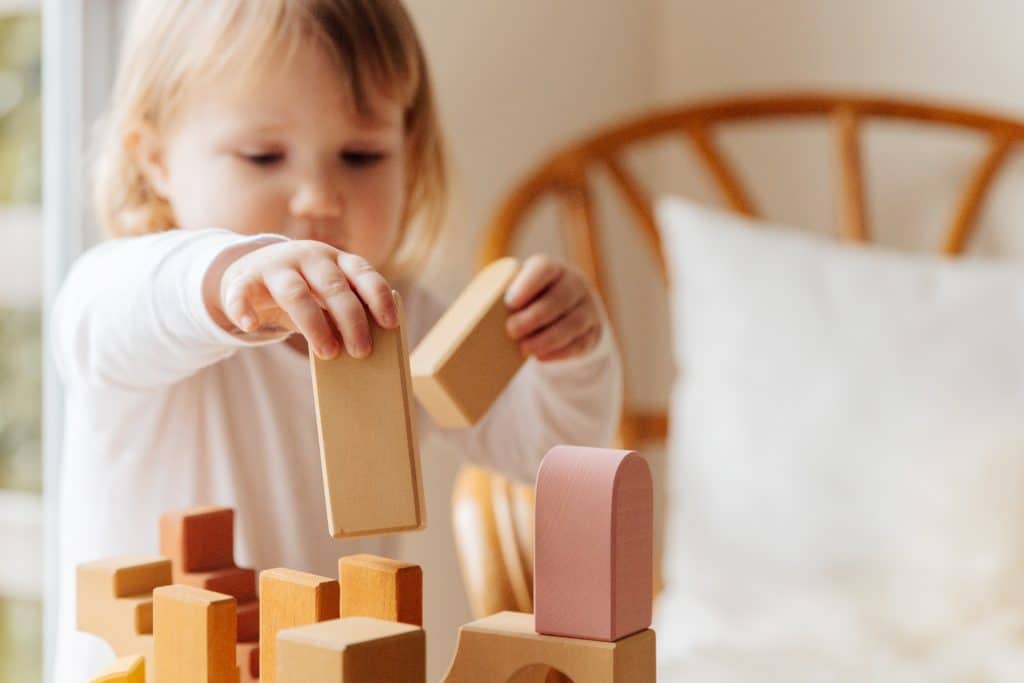
Engaging in sensory play can have a calming effect on kids, especially those with sensory processing challenges. Sensory activities encourage focus and help regulate emotions. When kids immerse themselves in these activities, they’re able to find a sense of calm and better manage their feelings.
Some ideas for sensory play include:
- Playing with playdough or slime
- Exploring sensory bins filled with rice, pasta, or sand
- Using fidget toys or stress balls
- Listening to calming music or nature sounds
Introducing these activities as part of your child’s daily routine can help them learn to self-soothe and stay focused when they need it most.
Read more: Calm Down Strategies for Kids
4. Mindful Movement: Connecting Body and Mind
Mindful movement, such as yoga or simple stretching, can help your child reconnect with their body and find a sense of calm. These activities can improve focus and increase body awareness, promoting relaxation and emotional regulation. Practicing mindful movement with your child can be a fun and engaging way to bond while learning valuable self-soothing skills.
You can guide your child through simple poses like:
- Child’s pose
- Butterfly pose
- Tree pose
Regularly practicing mindful movement with your child can help them develop the habit of using these techniques independently when they need a moment of calm.
5. Positive Affirmations: Boosting Confidence and Resilience
Positive affirmations are powerful statements that can assist your child in developing a strong sense of self-worth and resilience. Teaching your child to repeat affirmations like “I am strong,” “I am brave,” or “I can handle this” can have a lasting impact on their self-esteem and ability to cope with stress.
To help your child adopt this toddler self-soothing behavior, practice positive affirmations together regularly, encouraging them to choose phrases that resonate with them. You can even create a “positivity poster” with their favorite affirmations to hang in their room as a daily reminder of their inner strength.
Goally | Kid’s Tablet for Building Emotional Regulation Skills
Is your child struggling with understanding and managing their emotions? Goally teaches emotional regulation skills in a fun and interactive way!
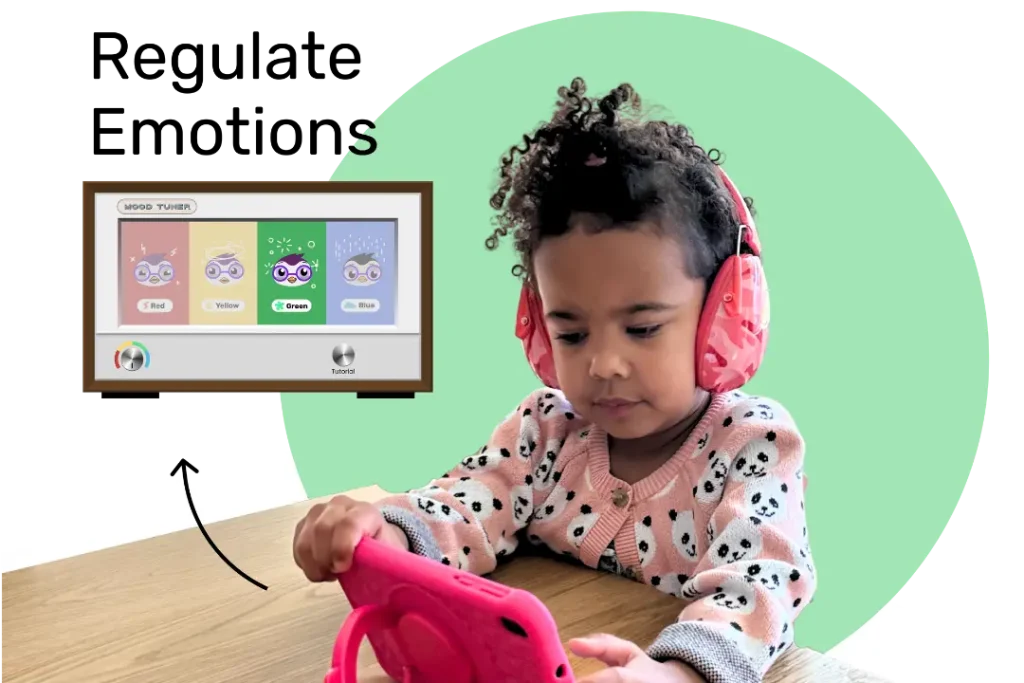
The Mood Tuner app encourages kids to look inwards and identify their feelings, helping them understand what’s going on inside. Once they’ve recognized their emotions, they can choose from a variety of exercises designed to help them self-regulate and find their balance.
Empower Your Child with Self-Soothing Strategies
By teaching your child these five toddler self-soothing behaviors, you’re empowering them with invaluable tools for navigating life’s challenges. Remember, consistency is key. Regularly practicing these strategies together will help your child develop the confidence and resilience they need to tackle whatever comes their way. So go ahead, embrace these techniques, and watch your little one flourish in the face of life’s storms.
FAQ’s About Toddler Self-Soothing Behaviors
What are common self-soothing behaviors in toddlers?
Common self-soothing behaviors include thumb-sucking, holding a favorite blanket or toy, and rocking back and forth.

Why is self-soothing important for toddlers?
Self-soothing helps toddlers manage their emotions and reduces stress, promoting better sleep and overall well-being.

At what age do toddlers typically start self-soothing?
Toddlers often start developing self-soothing behaviors around 6 months to 1 year old.

How can I encourage my toddler to self-soothe?
Encourage self-soothing by providing a consistent bedtime routine, offering comfort objects, and creating a calming environment.

Should I be concerned if my toddler doesn’t self-soothe?
Not necessarily, as every child develops at their own pace. If you're concerned, consult with a pediatrician for guidance.
This post was originally published on 05/08/2023. It was updated on 08/10/2023.

Emily is a seasoned blog writer for Goally, leveraging her extensive background in child psychology and special education to provide valuable insights and resources for parents. Her commitment to understanding and addressing the unique needs of these children, combined with her expertise in educational strategies, makes her a credible and empathetic voice for families.