Working with kids who think and learn differently has been one of the most enlightening experiences of my career. Seeing the unique ways they navigate the world is both inspiring and educational. But it often leads to the question, “Is autism a disability?” In this blog, we’ll explore what autism is, how it impacts kids, and why understanding its classification as a disability is essential for providing the proper support and accommodations.
Table of Contents
Understanding Autism
Autism, or Autism Spectrum Disorder (ASD), is a developmental disorder that affects communication, behavior, and social interactions. It is called a “spectrum” disorder because it affects individuals differently and to varying degrees. Kids with autism may have social skills, repetitive behaviors, speech, and nonverbal communication challenges.
Is Autism Considered a Disability?
Yes, autism is considered a disability. It is recognized as a developmental disability because it can significantly impact a person’s daily life, communication, and ability to interact with others. The Americans with Disabilities Act (ADA) and the Individuals with Disabilities Education Act (IDEA) classify autism as a disability, ensuring that individuals with autism have access to necessary supports and accommodations.
Understanding autism as a disability is crucial for providing appropriate interventions and support. It allows kids with autism to receive specialized education plans, therapies, and accommodations that help them thrive.
Goally | The Tablet for Neurodiverse Kids
How Autism Impacts Kids
Autism can affect kids in various ways. Some common challenges include:
Communication Difficulties
Kids with autism may have trouble understanding and using verbal and nonverbal communication. This can include challenges with speaking, making eye contact, and interpreting body language. These difficulties can make social interactions and forming relationships more challenging.
Social Interaction Challenges
Many kids with autism struggle with social skills. They may struggle to understand social cues, take turns in conversation, or engage in play with peers. This can lead to feelings of isolation or frustration.

Read more: Learning Disability Test for Kids
Repetitive Behaviors
Repetitive behaviors and routines are common in kids with autism. They might engage in repetitive movements, such as hand-flapping or rocking, or have specific routines they feel compelled to follow. These behaviors can provide comfort and predictability but may interfere with daily activities.
Sensory Sensitivities
Many kids with autism have sensory sensitivities, meaning they might be overly sensitive to sounds, lights, textures, or smells. These sensitivities can lead to sensory overload, causing discomfort or distress.
Supporting Kids with Autism
Supporting kids with autism involves understanding their unique needs and providing tailored interventions. Here are some effective strategies:
Individualized Education Plans (IEPs)
An IEP is a customized educational plan designed to meet the specific needs of a student with a disability. For kids with autism, an IEP can include accommodations like extra time on tests, assistive technology, and tailored teaching strategies. IEPs are essential for ensuring that kids with autism receive the support they need to succeed academically.
Therapies
Various therapies, including speech therapy, occupational therapy, and applied behavior analysis (ABA), can benefit kids with autism. These therapies can help improve communication, social interactions, and daily living skills. Early intervention is critical to maximizing the benefits of these therapies.

Social Skills Training
Social skills training can help autistic kids learn how to interact with others more effectively. This can include teaching them how to start and maintain conversations, understand social cues, and develop friendships. Social skills groups provide a supportive environment for practicing these skills.
Sensory Integration Therapy
Sensory integration therapy helps children with autism manage sensory sensitivities. This therapy uses play-based activities to help children become more comfortable with different sensory inputs. By addressing sensory challenges, children can better cope with their environment.
Real-Life Success Stories
Let’s look at some real-life success stories. Take Alex, a 7-year-old with autism who struggled with communication. Alex learned to express his needs and feelings more effectively through speech therapy and a communication device. His mother shared, “Seeing Alex communicate with us for the first time was a breakthrough.”
Another success story is Mia, a 10-year-old with autism who had difficulties with social interactions. Through social skills training and joining a peer group, Mia made her first close friend. Her father said, “Mia’s confidence has soared since she started building friendships.”
Research and Statistics on Autism
Autism research provides valuable insights into its prevalence and impact. According to the CDC, about 1 in 54 children in the U.S. is diagnosed with ASD. This high prevalence underscores the need for awareness and support.
Studies also show that early intervention can significantly improve outcomes for kids with autism. The National Institute of Mental Health highlights that early behavioral interventions can improve social, communication, and cognitive skills.
Goally | Visual Scheduler for Autism
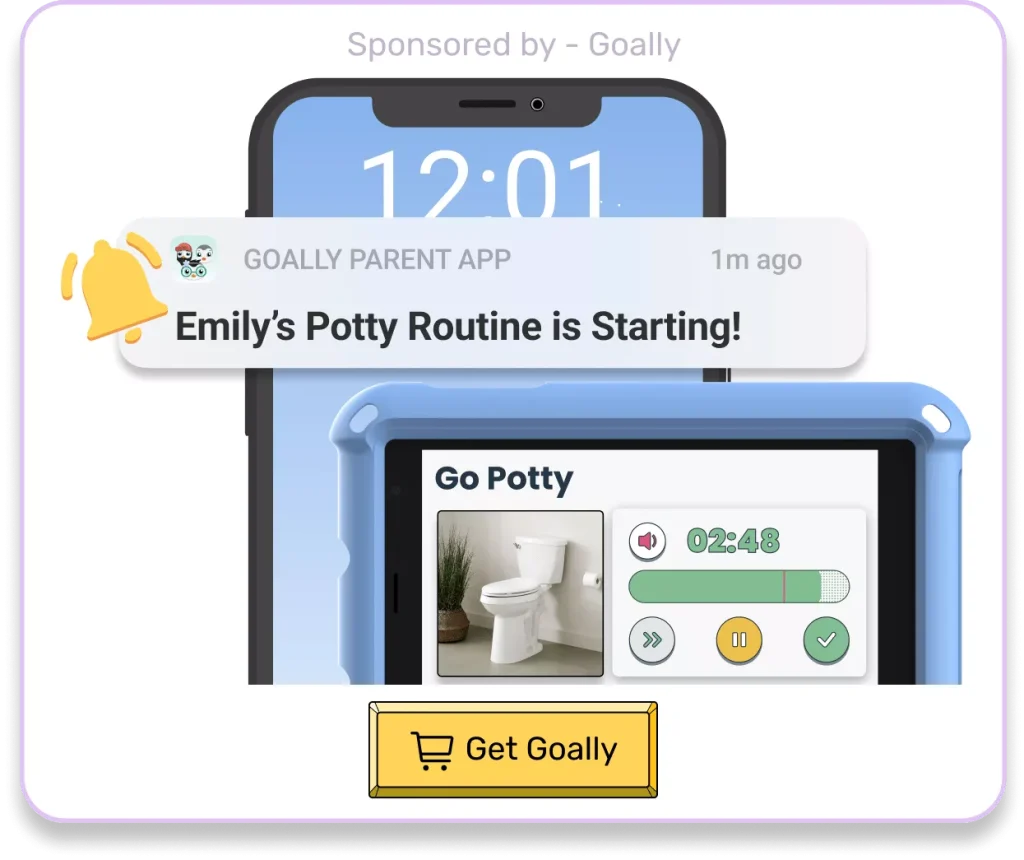
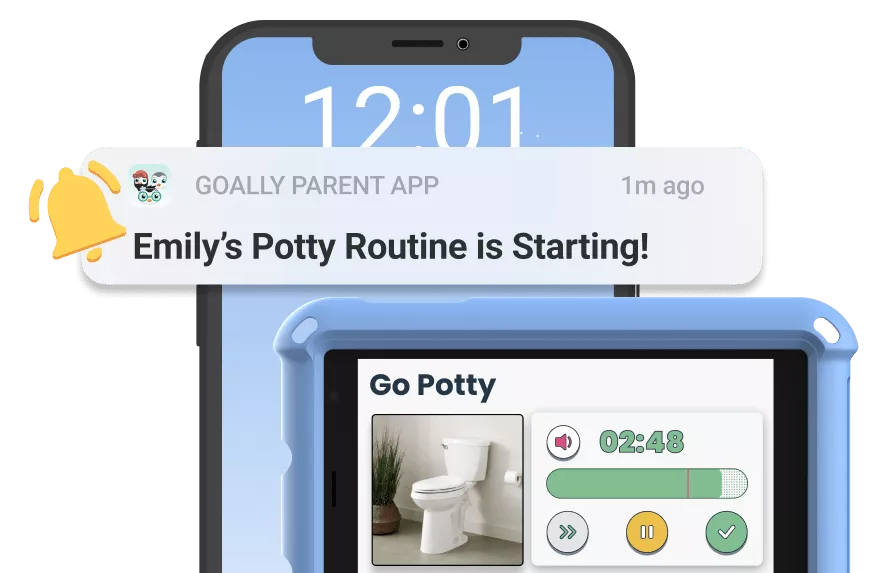
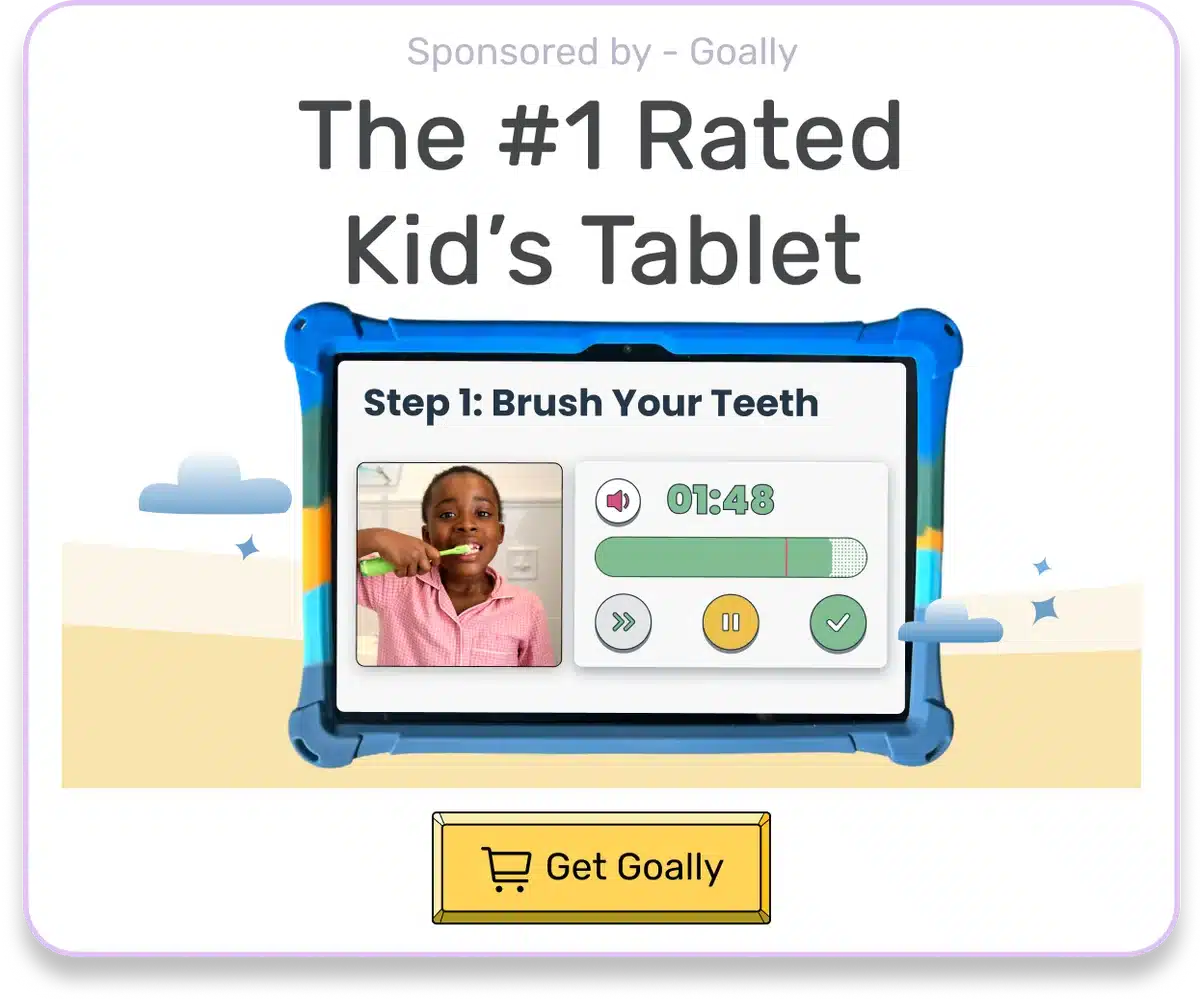
Does your child struggle with getting ready in the morning independently? Goally’s routine app on the best tablet for kids breaks down large tasks into small, achievable steps for autistic kids. Create custom routines with your own videos & pictures for every step.
Understanding that autism is a disability helps ensure that kids receive the support and accommodations they need to thrive. By recognizing the signs, providing tailored interventions, and celebrating their unique strengths, we can help autistic kids reach their full potential. Every child with autism has a unique journey, and with the proper support, they can achieve incredible things.
Helpful Resources
- Centers for Disease Control and Prevention (CDC)
- Autism Society
- National Institute of Mental Health (NIMH)
FAQ’s About Is Autism a Disability?
What is autism?
Autism, or Autism Spectrum Disorder (ASD), is a developmental disorder that affects communication, behavior, and social interactions.

Is autism considered a disability?
Yes, autism is considered a disability and is classified as a developmental disability under the Americans with Disabilities Act (ADA) and the Individuals with Disabilities Education Act (IDEA).

How does autism affect communication?
Kids with autism may have difficulties with verbal and nonverbal communication, including challenges with speaking, making eye contact, and interpreting body language.

What are common behaviors in children with autism?
Common behaviors in children with autism include repetitive movements, strict routines, and sensory sensitivities to sounds, lights, and textures.

What support can help children with autism?
Support for children with autism includes individualized education plans (IEPs), therapies like speech and occupational therapy, social skills training, and sensory integration therapy.

Emily is a seasoned blog writer for Goally, leveraging her extensive background in child psychology and special education to provide valuable insights and resources for parents. Her commitment to understanding and addressing the unique needs of these children, combined with her expertise in educational strategies, makes her a credible and empathetic voice for families.