Is your child becoming increasingly withdrawn? Explore the causes and learn effective strategies to enhance their social and emotional well-being.
Key Takeaways:
- Identify potential causes of withdrawn behavior such as stress, anxiety, or neurodivergent conditions.
- Use effective communication and empathy to connect with your child.
- Implement structured routines and professional help when necessary.
What can I do if my child is withdrawn? Engage in open, empathetic communication, encourage social interaction, maintain a predictable routine, and seek professional guidance to support your child’s well-being.
Table of Contents
Reasons Behind Withdrawn Behavior in Kids
Firstly, it’s essential to recognize that withdrawn behavior can stem from various factors.
Some common reasons include:
- Stress or anxiety
- Depression
- Feeling overwhelmed
- Processing a traumatic event
- Struggling with social skills
- Neurodivergent conditions, such as autism or ADHD
Moreover, it’s crucial to remember that each child is unique, and their reasons for being withdrawn may differ. Identifying the root cause is the first step towards addressing the issue and helping your child feel more at ease. To better understand your child’s withdrawn behavior, consider the following table:
| Reason | Possible Signs | How to Help |
|---|---|---|
| Stress or anxiety | Restlessness, irritability, difficulty concentrating | Offer a listening ear, teach relaxation techniques, seek professional help if needed |
| Depression | Persistent sadness, loss of interest, changes in appetite or sleep | Encourage open communication, provide emotional support, consult a mental health professional |
| Feeling overwhelmed | Procrastination, avoidance, frequent complaints of tiredness | Help prioritize tasks, break down large projects, and create a structured routine |
| Processing a traumatic event | Re-experiencing the event, avoidance, emotional numbness | Offer a safe space to talk, validate their feelings, and seek professional help if needed |
| Struggling with social skills | Difficulty making friends, avoiding social situations, misunderstanding social cues | Enroll in social skills groups, practice role-playing, and provide opportunities for social interaction |
| Neurodivergent conditions | Challenges with communication, repetitive behaviors, difficulty with transitions | Seek appropriate interventions, create a predictable routine, and use tools like Goally to support skill development |
Effective Communication: The Key to Unlocking Withdrawn Behavior
One of the most powerful tools in understanding and addressing withdrawn behavior is effective communication. To clarify, this means actively listening to your child, asking open-ended questions, and creating a safe space for them to express their feelings.
Here are some tips to enhance communication with your child:
- Be patient: Give your child time to open up and share their thoughts. Don’t rush or pressure them into talking.
- Show empathy: Validate their feelings and let them know you understand their perspective.
- Ask open-ended questions: Encourage your child to elaborate on their thoughts and feelings by asking questions that require more than a yes or no answer.
- Offer support: Let your child know you’re there to help and guide them through their struggles.
Meanwhile, during your conversations, remember to be mindful of your child’s comfort level. Some kids may find it easier to open up while engaging in a shared activity, like drawing or playing a game. Experiment with different approaches to find what works best for your child.
Empowering Your Withdrawn Child: Strategies for Success
Once you’ve established open communication, it’s time to implement strategies that can help your withdrawn child feel more connected and engaged. Here are some ideas to consider:
1. Encourage Social Interaction
For kids with thinking and learning differences, socializing can be challenging. However, it’s essential to encourage social interaction to help them develop essential skills and build connections. Consider enrolling your child in clubs, activities, or playgroups that align with their interests. This can provide a supportive environment for them to practice social skills and make friends.

Read more: 5 Ways to Help Your Socially Withdrawn Child | Parents Guide
Additionally, using tools like Goally can help support your child’s social skill development by providing visual schedules, reminders, and rewards for completing tasks and participating in social activities.
2. Foster Emotional Intelligence
Helping your child develop emotional intelligence can be a game-changer in overcoming withdrawn behavior. Teach them to recognize and label their emotions and provide tools for managing feelings like stress, anxiety, or sadness. This can include deep breathing exercises, mindfulness techniques, or creative outlets like drawing or writing.
Furthermore, modeling healthy emotional expression and coping strategies can also help your child learn to manage their emotions more effectively. Show them that it’s okay to feel a wide range of emotions and demonstrate how to cope with challenging feelings in a healthy way.
3. Create a Predictable Routine
Neurodivergent kids often thrive on routine and predictability. Establishing a consistent daily schedule can help reduce anxiety and promote a sense of security. Make sure to include regular opportunities for relaxation and self-care, as well as structured social activities.
Build Custom Printable Visual Schedules
Is your child having trouble managing their routines? Here’s a free visual schedule builder. Goally’s custom tool allows you to create printable personalized schedules that motivate your child to focus on their tasks. Perfect for morning, homework, and bedtime routines, this free visual schedule builder is easy to use and will help your child reach their full potential.
Click below to make your CUSTOM printable visual schedule! 👇
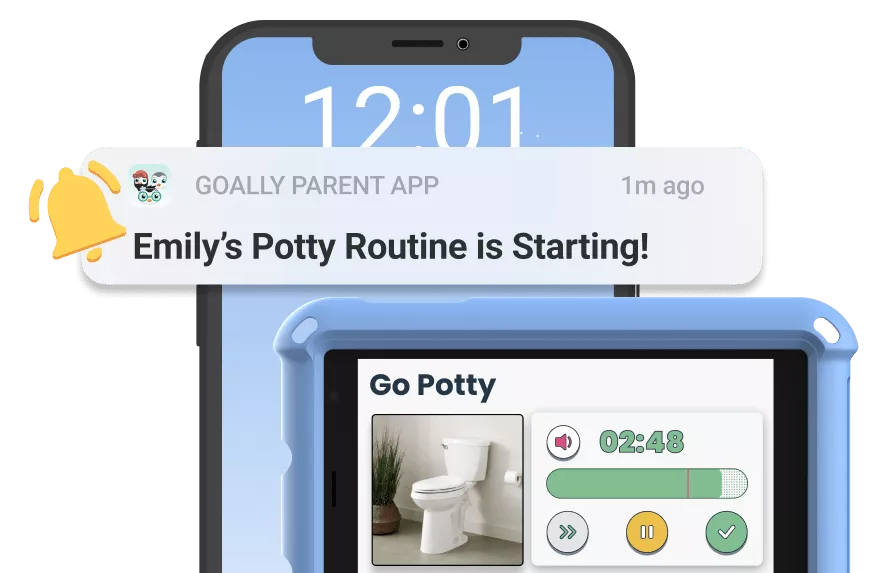
Goally can be a valuable tool in creating and maintaining a predictable routine for your child. With customizable visual schedules and reminders, Goally can help your child stay on track and feel more in control of their day-to-day life.
4. Seek Professional Help if Needed
In some cases, your child may benefit from professional support, such as therapy or counseling. A mental health professional can help identify underlying issues and provide tailored strategies to address your child’s unique needs.
Don’t hesitate to reach out to professionals if you feel your child’s withdrawn behavior is significantly impacting their well-being or daily functioning. Early intervention can make a significant difference in your child’s overall development and quality of life.
Goally | Apps To Support Child Development
Looking for fun ways to help your child learn life skills? Try Goally! The Goally tablet comes with award-winning learning apps and video classes to help kids develop the skills they need to become independent with FUN & evidence-based practices.

Our apps teach executive function, language, emotional regulation, finger dexterity skills, and more.
As your child develops new skills, you can increase the difficulty level of the tasks in the app to challenge and motivate them even further. This helps your child grow and progress at their own pace, while also keeping them engaged and excited about their development.

Building Stronger Bonds: The Power of Empathy and Understanding
In short, helping your withdrawn child starts with understanding their unique needs and fostering open communication. By implementing the strategies discussed in this guide, you can empower your child to feel more connected, engaged, and confident. Remember, empathy and understanding are the foundations of building stronger bonds with your child, and with patience and persistence, you can help them overcome their withdrawn behavior and thrive.
Helpful Resources
FAQ’s About Being Withdrawn
What causes a child to become withdrawn?
A child may become withdrawn due to stress, anxiety, depression, social challenges, or neurodivergent conditions like ADHD or autism.

How can parents help a withdrawn child?
Parents can help by engaging in open, empathetic communication and creating a supportive home environment.

What are signs that a child might be withdrawn?
Signs include spending excessive time alone, avoiding social interactions, and showing little interest in activities they once enjoyed.

Can professional help benefit a withdrawn child?
Yes, consulting a mental health professional can provide tailored strategies and support for a withdrawn child.

How can visual schedules help a withdrawn child?
Visual schedules can help by providing structure and predictability, reducing anxiety and promoting engagement.
This post was originally published on 05/17/2023. It was updated on 08/20/2024.

Emily is a seasoned blog writer for Goally, leveraging her extensive background in child psychology and special education to provide valuable insights and resources for parents. Her commitment to understanding and addressing the unique needs of these children, combined with her expertise in educational strategies, makes her a credible and empathetic voice for families.