A bath routine involves a series of steps to help kids clean themselves, relax, and build hygiene habits. It’s essential for maintaining cleanliness, creating a calming experience, and teaching responsibility in an age-appropriate way.
- Set up a consistent routine to make bath time predictable and comforting.
- Ensure the bath is safe by checking water temperature and using kid-friendly products.
- Incorporate play and learning to make bath time fun and engaging.
Table of Contents
Why a Bath Routine Matters
Bath routines provide structure and consistency, which kids, especially neurodivergent kids, thrive on. A predictable schedule can ease anxiety and help them transition into bedtime or the next part of their day with ease. Moreover, bath time is an opportunity to teach personal hygiene while bonding with your child.
According to the CDC, regular bathing helps prevent skin infections and promotes healthy hygiene habits. Establishing a bath routine early on sets the stage for lifelong cleanliness and self-care practices (source).
Steps to Create a Bath Routine
1. Gather Essentials Before You Start
Start by collecting all the items you’ll need: soap, shampoo, towels, a washcloth, and any toys your child enjoys. Having everything ready prevents interruptions and keeps bath time smooth.
For neurodivergent kids, visual schedules can be helpful. Show pictures of the items you’ll use, so they know what to expect, making the process feel less overwhelming.
2. Check the Water Temperature
The water should be warm but not hot—around 98 to 100 degrees Fahrenheit is ideal. Always test the water with your wrist or elbow to ensure it’s comfortable for your child.
Using a thermometer can make this step stress-free and precise, especially for families with sensory-sensitive kids.
3. Follow a Washing Order
Start from the top and work your way down—wash the face, then the arms, legs, and finally the feet. This sequence is easy to follow and ensures every area is cleaned thoroughly.
Encourage kids to participate by giving them a loofah or washcloth. Letting them “help” boosts confidence and builds self-care skills.
4. Add Fun to Bath Time
Incorporate bath toys, bubble solutions, or even music to make the experience enjoyable. For neurodivergent kids, consider sensory-friendly options like calming bath lights or textured toys.
These small touches can turn a routine task into an exciting part of their day, fostering a positive association with hygiene.
5. Finish with Drying and Moisturizing
Use a soft towel to pat your child dry, avoiding harsh rubbing. Afterward, apply a gentle moisturizer to keep their skin hydrated, especially during dry seasons.
Make this a bonding moment by giving praise for their cooperation during bath time. Positive reinforcement goes a long way in encouraging consistency.
Tips to Keep in Mind
- Avoid overly hot water, which can irritate or damage the skin.
- Don’t skip bath time, even on busy days—it helps maintain hygiene and provides a sense of normalcy.
- If your child dislikes certain steps, adapt the routine to their comfort level while gradually introducing changes.
How Often Should Kids Bathe?
For most kids, bathing two to three times a week is sufficient, but daily baths may be necessary depending on activity levels. Adjust the frequency based on your child’s needs, such as after sports or messy play. Discuss any specific concerns with a pediatrician to find the right balance for your child’s skin health.
Goally to the Rescue!!
Goally can be a great tool to help with bath time! You can set prompts in Goally to give your child with autism more ownership over their own bath time with less prompting needed from you, the parent. This cuts down greatly on the resistance many children tend to give parents who are trying to tell them what to do and when to do it.
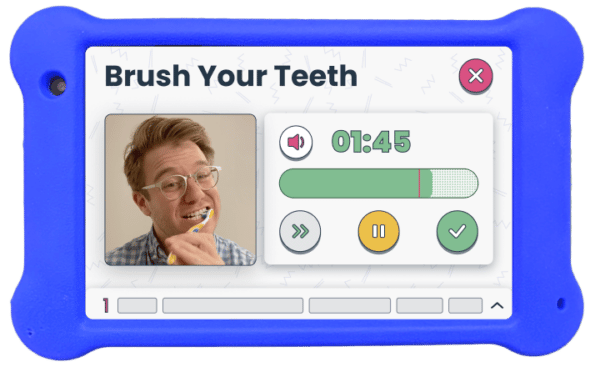
Goally is able to reduce the amount of time it takes to complete a routine by keeping your child on task during bath time when there are plenty of distractions and opportunities to procrastinate getting out of the tub, or getting properly clean. This is possible to accomplish without ever making your child feel rushed or anxious through Goally.
Read more: 5 Tips to Make Bath Time More Enjoyable
Goally | Visual Scheduler for Autism
Does your child struggle with getting ready in the morning independently? Goally’s routine app on the best tablet for kids breaks down large tasks into small, achievable steps for autistic kids. Create custom routines with your own videos & pictures for every step.
A well-structured bath routine can turn a simple task into a moment of care and connection. By creating a predictable, safe, and enjoyable experience, you’re not just teaching hygiene—you’re building skills and memories that last a lifetime.
Helpful Resources
FAQs About Bath Time Routine
What is a bath time routine for a child with special needs?
A bath time routine for a child with special needs is a structured series of steps that help make the bathing process more predictable and less stressful. This can include things like using visual aids, sensory toys, and verbal cues to help the child understand what's happening and what's expected of them.

Why is a bath time routine important for children with special needs?
A bath time routine is important for children with special needs because it helps reduce anxiety and promote independence. By breaking down the bathing process into simple, easy-to-understand steps, children can feel more in control and less overwhelmed.

How can parents create a bath time routine for their child with special needs?
Parents can create a bath time routine for their child with special needs by starting with a few basic steps and gradually adding more as the child becomes comfortable. It's important to use consistent language, visual aids, and sensory cues to help the child understand and feel secure throughout the process.

What are some common challenges parents may face when creating a bath time routine for their child with special needs?
Some common challenges parents may face when creating a bath time routine for their child with special needs include resistance to change, sensory issues, and difficulty with transitions. It's important to be patient and flexible, and to work with a therapist or healthcare provider if needed.

How can a bath time routine benefit the entire family?
A bath time routine can benefit the entire family by reducing stress and promoting a sense of calm and predictability. When everyone knows what to expect, there is less chaos and more harmony in the household. Additionally, a bath time routine can help promote good hygiene habits and make daily routines easier to manage.
This post was originally published on 12/29/2020. It was updated on 12/11/2024.

Emily is a seasoned blog writer for Goally, leveraging her extensive background in child psychology and special education to provide valuable insights and resources for parents. Her commitment to understanding and addressing the unique needs of these children, combined with her expertise in educational strategies, makes her a credible and empathetic voice for families.