I’ve worked with many families and their kids, and the journey to an autism diagnosis can be both challenging and rewarding. The excitement of finally understanding your child’s needs and getting the right support can bring immense relief. Autism is a developmental disorder that affects communication and behavior, and early diagnosis is crucial. Knowing the steps to get a diagnosis can help you navigate this process more smoothly and ensure your child gets the support they need. In this guide, I’ll walk you through the essential steps to get diagnosed with autism, making it straightforward and practical.
Table of Contents
1. Recognize the Signs
The first step is to recognize the signs of autism. Kids with autism may have difficulty with communication, exhibit repetitive behaviors, and struggle with social interactions. According to the CDC, some early signs include avoiding eye contact, not responding to their name, and delayed speech and language skills.
Parents often notice these signs when their child is around two years old. If you observe any of these behaviors, it’s essential to take them seriously and consider seeking a professional evaluation.
2. Talk to Your Pediatrician
Once you recognize the signs, schedule an appointment with your child’s pediatrician. Discuss your observations and concerns openly. The pediatrician can conduct a preliminary evaluation and may use screening tools like the Modified Checklist for Autism in Toddlers (M-CHAT).
Your pediatrician is a valuable resource and can guide you through the initial steps. They can provide referrals to specialists if further assessment is needed.

3. Seek a Referral to a Specialist
If your pediatrician agrees that there are signs of autism, they will refer you to a specialist. Specialists who can diagnose autism include developmental pediatricians, child psychologists, and child psychiatrists. These professionals have the expertise to conduct a comprehensive evaluation.
It’s important to follow through with this referral promptly, as early intervention can significantly improve outcomes for kids with autism.
4. Comprehensive Diagnostic Evaluation
A comprehensive diagnostic evaluation involves multiple assessments and observations. The specialist will likely use standardized tools like the Autism Diagnostic Observation Schedule (ADOS) and the Autism Diagnostic Interview-Revised (ADI-R).
This evaluation assesses your child’s developmental history, communication skills, and behavior. It might also include interviews with parents and caregivers to gather detailed information.
5. Multidisciplinary Team Assessment
In some cases, a multidisciplinary team may be involved in the assessment. This team can include speech therapists, occupational therapists, and other specialists who can provide a holistic view of your child’s development.
The collaboration of various professionals ensures a thorough and accurate diagnosis, addressing all aspects of your child’s needs.

6. Review the Diagnosis
After the evaluation, the specialist will review the results with you. They will explain the findings and discuss whether your child meets the criteria for an autism diagnosis. This conversation is an opportunity to ask questions and understand the next steps.
It’s crucial to understand the diagnosis and what it means for your child. The specialist will provide guidance on available resources and support systems.
7. Develop an Intervention Plan
With a diagnosis in hand, the next step is to develop an intervention plan. Early intervention services can include speech therapy, behavioral therapy, and educational support. According to the National Institute of Mental Health, early and tailored interventions can significantly improve the development of kids with autism.
Work with your healthcare provider to create a plan that addresses your child’s unique needs. This plan will evolve as your child grows and their needs change.
8. Access Support Services
Navigating the world of autism can be overwhelming, but many support services are available to help you. Look into local and national organizations that provide resources and support for families with kids with autism. These organizations can offer valuable information, support groups, and advocacy.
Remember, you are not alone on this journey. Connecting with other families and professionals can provide much-needed support and encouragement.
9. Monitor Progress and Adjust
Regularly monitor your child’s progress and adjust the intervention plan as needed. Stay in close communication with your child’s therapists and educators to ensure the strategies are effective.
Your involvement and advocacy play a critical role in your child’s development. Be proactive in seeking updates and making necessary changes to the intervention plan.
10. Stay Informed and Educated
Autism research is continually evolving, and staying informed about the latest developments is essential. Subscribe to newsletters, attend workshops, and join online communities to keep up-to-date with new findings and strategies.
Knowledge is power, and staying informed will empower you to provide the best support for your child.
Goally is a valuable resource for clinicians who are looking for ways to support children with speech and language problems.
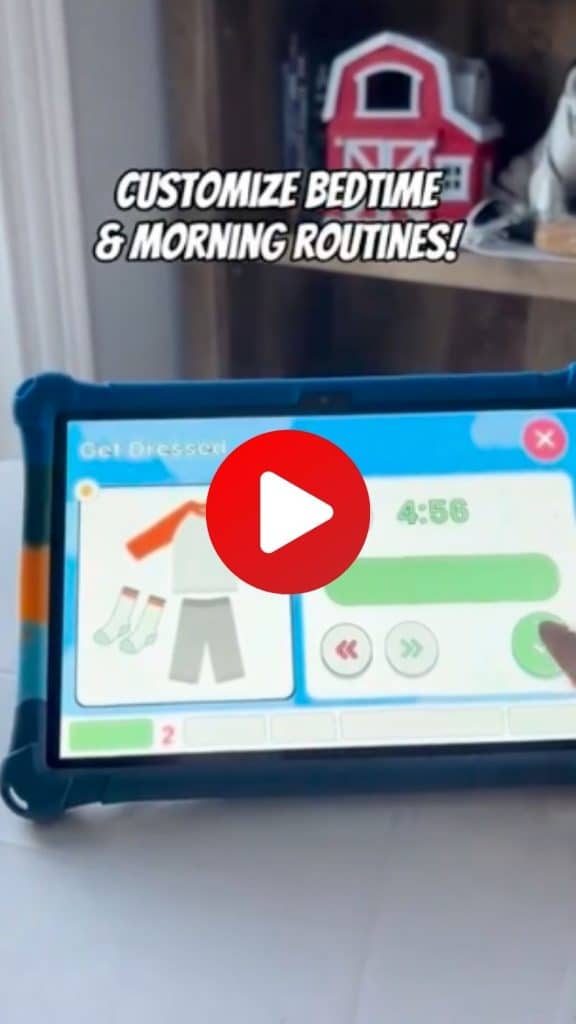
- Individualized Instruction. Goally can be easily customized to meet the specific needs of each child supporting the skills that they need most, at each child’s own pace.
- Increased Engagement. Goally is a fun and interactive tool that can help children stay engaged while learning.
- Improved Communication. Goally helps children learn to effectively communicate wants and needs, and allows children to participate in the world around them.
- Bonus: Goally’s Core Word Lessons teaches kids their first 50 words through video modeling and interactive practice.
Goally’s distraction-free kid’s tablet can be used as a therapy tool to help teach executive function, language, emotional regulation, finger dexterity skills, and more!
Getting an autism diagnosis for your child can feel daunting, but breaking it down into manageable steps can make it more approachable. Recognizing the signs, consulting with a pediatrician, seeking referrals, undergoing comprehensive evaluations, and accessing support services are key steps. With early intervention and a tailored plan, you can help your child thrive and reach their full potential. Stay informed, connected, and proactive in your journey, and remember that you have a network of support to lean on.
Helpful Resources
- CDC: Autism Spectrum Disorder
- Autism Society
- National Institute of Mental Health: Autism Spectrum Disorder
FAQ’s About How to Get Diagnoses With Autism
What are the first signs of autism to look for?
Early signs of autism include avoiding eye contact, delayed speech, and repetitive behaviors.

How can a pediatrician help in diagnosing autism?
A pediatrician can conduct initial screenings and refer you to a specialist for a comprehensive evaluation.

What specialists diagnose autism?
Specialists like developmental pediatricians, child psychologists, and child psychiatrists diagnose autism.

What is involved in a comprehensive autism evaluation?
A comprehensive evaluation includes observations, standardized tests, and interviews with parents.

Why is early intervention important for autism?
Early intervention can significantly improve the development and quality of life for kids with autism.

Emily is a seasoned blog writer for Goally, leveraging her extensive background in child psychology and special education to provide valuable insights and resources for parents. Her commitment to understanding and addressing the unique needs of these children, combined with her expertise in educational strategies, makes her a credible and empathetic voice for families.