Confused about the difference between ADHD and TDAH? Don’t be—they’re actually the same condition, just in different languages. Let’s dive into what this means for supporting your child.
Key Takeaways
- ADHD and TDAH: Same condition, different languages.
- Support tips: Use routines, break tasks into steps, and get moving.
- Global perspective: ADHD is recognized and treated worldwide.
What’s the difference between ADHD and TDAH? ADHD and TDAH are the same neurodevelopmental disorder, but TDAH is the Spanish or French acronym for ADHD. Understanding this can help parents access resources in different languages and communicate effectively with others.
Table of Contents
ADHD vs. TDAH: Are They Different?
At first, ADHD and TDAH might seem like totally different things. But they’re actually the same thing in different languages. ADHD stands for Attention Deficit Hyperactivity Disorder. TDAH is just the Spanish way of saying ADHD—Trastorno por Déficit de Atención e Hiperactividad. So, when we talk about ADHD vs. TDAH, we’re really talking about the same thing in different languages.
Knowing this can actually empower you to better support your kiddo and tap into resources available in a variety of languages. And it’s not just that. Realizing that TDAH is just ADHD in a different language can also open up new channels of communication. You’ll be able to chat more effectively with other parents or professionals who might use the term TDAH instead of ADHD. This not only breaks down language barriers but also broadens your support network. How cool is that?

Read more: What Activities Make ADHD Worse?
Understanding ADHD: What Are the Signs?
Now that we know ADHD and TDAH are the same thing, let’s look at ADHD more closely. This condition has three main signs:
- Not paying attention
- Being too active
- Acting without thinking
Kids with ADHD might have trouble focusing, move around a lot, or do things without thinking about them first. For an ADHD diagnosis, a child must show these signs for at least six months and in different places (like home and school).
Read more: Art Therapy for Kids
It’s important to remember that not all kids with ADHD will show the same signs or have the same level of difficulty. Some kids might struggle more with inattention, while others might have more issues with hyperactivity or impulsivity. Each child is unique, and understanding their challenges can help you better support them.
Helping Kids with ADHD: Tips for Success
Here are some tips to help your neurodivergent kids do their best:
- Make routines: Having a daily schedule can help kids with ADHD feel more focused. Make a plan for each day that includes time for homework, play, and rest.
- Break tasks into smaller steps: Big tasks can be hard for kids with ADHD. Make them easier by breaking them into smaller parts.
- Use pictures and charts: Visual aids like charts and calendars can help kids with ADHD stay organized.
- Get them moving: Exercise can help kids with ADHD focus better and be less hyper. Encourage your child to participate in sports or do other activities they enjoy.
- Ask for help: Professionals like therapists and teachers can give you advice and resources for helping your child with ADHD.
It’s also important to be patient and understanding with your child as they navigate the challenges of ADHD. Celebrate their successes, no matter how small, and remind them that you’re there to support them every step of the way.
Read More: Untreated ADHD
ADHD vs. TDAH: A Worldwide View
Even though ADHD and TDAH are different words, the challenges faced by neurodivergent kids and their families are the same worldwide. By understanding this, we can support all kids with thinking and learning differences, no matter what language they speak.
Recognizing that ADHD is a global issue can also help you connect with resources and support from around the world. This can give you new ideas and perspectives on best supporting your child.

ADHD Around the World: How Common Is It and How Is It Treated?
ADHD affects kids everywhere, with rates ranging from 2% to 17%, depending on the country. How it’s treated can differ in each place based on beliefs, healthcare systems, and available resources. Some countries might use medicine more, while others might focus on behavior changes or other therapies.
| Country | ADHD Prevalence | Common Treatment Approaches |
|---|---|---|
| United States | 9.4% | Medication, behavioral therapy |
| Spain (TDAH) | 6.8% | Medication, psychological interventions |
| Japan | 7.7% | Medication, educational support |
As a parent, it’s important to know about the latest research and the best ways to help kids with ADHD. This knowledge can help you ensure your child gets the best care possible, no matter where you live.

Goally | Best Videos to Teach Life Skills
Give your kid an independent future. Goally has 100+ video classes teaching life skills like “How to Choose a Restaurant,” “How to Interrupt Politely,” and “How to Get Ready for School.”
Goally takes kids on an adventure that includes interactive practice and checkpoints along the way! No web browsers, YouTube, or social media.
Helpful Resources for ADHD and TDAH
Now that you know ADHD and TDAH are the same thing, you can find resources and support for your neurodivergent child. Here are some helpful places to start:
- CHADD (Children and Adults with Attention-Deficit/Hyperactivity Disorder): This group offers lots of information and support for families dealing with ADHD.
- Understood: This website has expert advice and tips for parents of kids with thinking and learning differences, including ADHD.
- ADDitude Magazine: This magazine has articles, webinars, and podcasts about ADHD-related topics.
- Local support groups: Talking with other parents of kids with ADHD can give you emotional support and practical advice. Look for groups in your area.
Don’t hesitate to contact these resources and ask questions. They’re there to help you and your child navigate the challenges of ADHD or TDAH together.
Try Goally For Your Child With ADHD
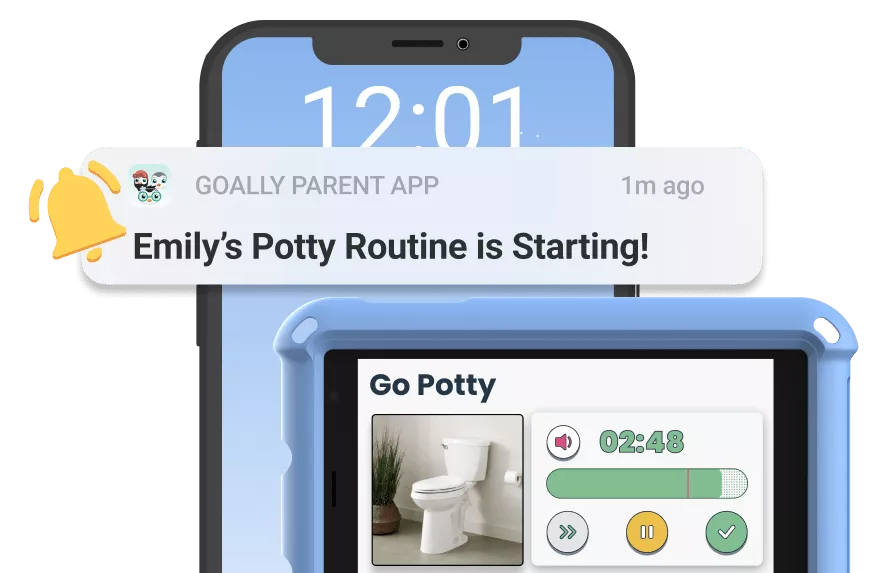
Goally helps kids with ADHD stay focused and build skills. Unlike a Kindle or an iPad that kids get easily distracted on, Goally has no YouTube, no social media, no web browser, and especially no ads.
Goally uses game play as a points-based motivator for your kiddo with ADHD and helps them learn emotional regulation skills. It’s simple to set up and has an expert-informed design.
By staying informed, seeking assistance, and implementing effective strategies, you will empower your child to reach their full potential in a world increasingly valuing neurodiversity. Remember, you are not alone—many parents and professionals are ready to support you every step of the way.
Helpful Resources:
FAQs About TDAH vs ADHD
What does TDAH mean?
TDAH is the Spanish or French acronym for ADHD, standing for "Trastorno de Déficit de Atención e Hiperactividad" in Spanish, or "Trouble du déficit de l'attention avec hyperactivité" in French.
Are ADHD and TDAH the same condition?
Yes, ADHD and TDAH refer to the same neurodevelopmental disorder, only labeled differently across languages.
How can understanding ADHD vs TDAH help parents?
Knowing that ADHD and TDAH are the same can help parents access resources in different languages and communicate effectively with a diverse group of parents and professionals.
What are some tools that can support kids with ADHD?
Visual schedules, emotional regulation apps, and reward systems are excellent tools for helping kids with ADHD manage their symptoms and develop new skills.
How can technology aid in managing ADHD symptoms?
Technological tools like apps can provide structure, visual aids, and reinforcement mechanisms that can be beneficial for managing the symptoms of ADHD.
This post was originally published on 05/01/2023. It was updated on 08/27/2024.

Emily is a seasoned blog writer for Goally, leveraging her extensive background in child psychology and special education to provide valuable insights and resources for parents. Her commitment to understanding and addressing the unique needs of these children, combined with her expertise in educational strategies, makes her a credible and empathetic voice for families.