As a parent, you may have observed a child who can’t seem to sit still, has trouble focusing, and struggles to complete tasks. These could be signs of ADHD in your neurodivergent child. In this blog post, we’ll delve into what untreated ADHD looks like in children, its signs and symptoms, potential consequences, and the importance of early intervention. By understanding these aspects, you’ll be better equipped to support your child and help them thrive in their unique way.
Table of Contents

Customize visual schedules that teach kids independence. No more nagging, no more stress.
Recognizing the Signs of Untreated ADHD
First and foremost, it’s essential to identify the signs of untreated ADHD in kids. These symptoms can manifest in various ways, including inattention, hyperactivity, and impulsivity. However, it’s important to note that not all children with ADHD exhibit the same symptoms or to the same degree. Some kids may struggle more with inattention, while others may be predominantly hyperactive or impulsive.
- Inattention: Difficulty focusing, forgetfulness, and disorganization
- Hyperactivity: Constant fidgeting, excessive talking, and restlessness
- Impulsivity: Interrupting others, acting without thinking, and difficulty waiting for their turn

The Consequences of Untreated ADHD
Leaving ADHD untreated can have significant consequences for your child. For example, kids with untreated ADHD often have difficulty keeping up with schoolwork, leading to poor grades and increased risk of dropping out. Furthermore, impulsive and hyperactive behaviors can make it difficult for children to form and maintain friendships, leading to feelings of isolation and low self-esteem.
| Consequence | Impact |
|---|---|
| Academic struggles | Poor grades and increased risk of dropping out |
| Social challenges | Difficulty forming and maintaining friendships, feelings of isolation and low self-esteem |
| Emotional difficulties | Anxiety, depression, and other mental health issues |
| Behavioral problems | Risky behaviors such as substance abuse or delinquency |
Why Early Intervention Matters
Above all, early intervention is crucial for kids with ADHD. By addressing the symptoms and providing appropriate support, you can help your child improve their academic performance, develop better social skills, build self-esteem, and reduce the risk of engaging in risky behaviors. In short, early intervention can make a world of difference for your neurodivergent child.

- Improved academic performance and overall school experience
- Better social skills and meaningful relationships
- Increased self-esteem and emotional resilience
- Reduced risk of engaging in risky behaviors
Supporting Your Child with ADHD
So, how can you support your child with ADHD? There are several strategies to consider, such as seeking professional help, implementing behavioral strategies, exploring medication options, advocating for accommodations, and encouraging physical activity. By taking these steps, you can help your child manage their ADHD symptoms and set them up for success.
- Seek professional help: Consult with a pediatrician, psychologist, or psychiatrist to obtain a proper diagnosis and develop a treatment plan tailored to your child’s needs.
- Implement behavioral strategies: Use positive reinforcement, set clear expectations, and establish routines to help your child develop better habits and self-control.
- Explore medication options: In some cases, medication may be recommended to help manage ADHD symptoms. Discuss the benefits and risks with your child’s healthcare provider.
- Advocate for accommodations: Work with your child’s school to ensure they receive appropriate accommodations and support, such as extra time on tests or a modified curriculum.
- Encourage physical activity: Regular exercise can help improve focus, reduce hyperactivity, and boost mood in kids with ADHD.
Try Goally For Your Child With ADHD
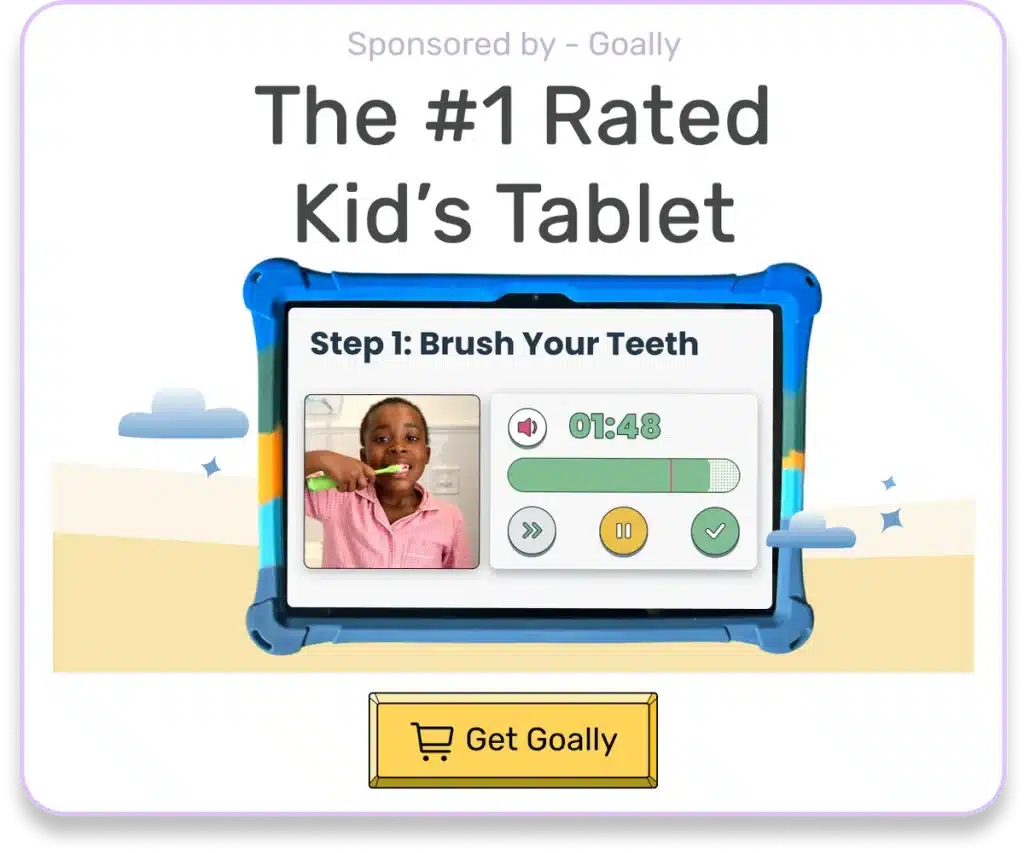
Goally helps kids with ADHD stay focused and build skills. Unlike a Kindle or an iPad that kids get easily distracted on, Goally has no YouTube, no social media, no web browser, and especially no ads.
Goally uses game play as a points-based motivator for your kiddo with ADHD and helps them learn emotional regulation skills. It’s simple to set up and has an expert-informed design.
Final Thoughts
Understanding what untreated ADHD looks like in children is crucial for parents of neurodivergent kids. By recognizing the signs, addressing the symptoms early, and providing the right support, you can help your child overcome the challenges associated with ADHD and lead a fulfilling life. Remember, you’re not alone in this journey. There are resources available to help you and your child navigate the world of ADHD.
This post was originally published on 05/22/2023. It was updated on 07/14/2023.

Goally
We help parents teach their kids life skills, like doing bedtime and morning independently. Backed by science, we incorporate evidence-based practices and expert-informed designs in all of our apps and content.