Individualized Education Programs (IEPs) are personalized learning plans that help kids with special needs succeed in school.
Key Takeaways:
- IEPs create a personalized learning plan tailored to your child’s unique needs.
- IEPs provide access to specialized resources and support at school.
- They promote a collaborative approach among educators, parents, and specialists.
- IEPs help track and measure progress towards specific academic and social goals.
IEPs are legally binding documents designed to support kids with learning and thinking differences. But what exactly makes them so important? Read on to discover how IEPs provide essential support for neurodivergent kids and their families.
Table of Contents
What Is an IEP and Why Are IEPs Important?
An Individualized Education Program (IEP) is a plan developed for public school children who need special education. IEPs are important because they outline specific educational goals and the exact services a child will receive to meet these needs. This plan acts as a roadmap, ensuring that the child has the right tools and strategies to thrive academically and socially.
IEPs are essential because they create a structured support system tailored to each child. It’s not just about academic success—it’s about building confidence, social skills, and independence. IEPs also give parents a voice in their child’s education, making sure they have a seat at the table when decisions are made.
How IEPs Benefit Kids with Learning Disabilities
IEPs cater to kids with a wide range of disabilities, including autism, ADHD, dyslexia, and more. By creating a personalized approach to learning, IEPs help level the playing field. Here are some key benefits:
1. Customized Learning Plans
One of the most significant benefits of IEPs is the individualized learning plan. Each IEP is tailored to meet the specific needs of the child, which means personalized goals, teaching methods, and accommodations are all designed to suit the student’s unique learning style. This approach helps ensure that your child receives the support they need, whether that’s extra time on tests, alternative teaching methods, or access to assistive technology.
For example, I once worked with a student who struggled with reading comprehension. His IEP included special one-on-one reading sessions with a specialist and text-to-speech software that allowed him to engage with the material at his pace. It was incredible to watch his confidence grow as he reached his personalized goals.

Read more: Your Questions Answered About The IEP Process
2. Access to Specialized Services
IEPs open doors to specialized services that might not be available otherwise. This can include speech therapy, occupational therapy, counseling, and more. These services are critical in addressing areas that affect a child’s ability to learn and participate fully in school.
For instance, if your child has difficulty with motor skills, an IEP might provide occupational therapy to improve their handwriting or fine motor skills. These therapies are integrated into the school day, making them accessible without disrupting your child’s routine.
3. Collaboration Among Educators and Parents
IEPs foster a team approach. They bring together teachers, school psychologists, special education specialists, and parents to ensure that the child’s needs are met. Regular IEP meetings give everyone a chance to discuss progress, adjust goals, and make sure the plan remains relevant as the child grows.
As a caregiver, you play an essential role in this process. You know your child best, and your insights are crucial in shaping an effective IEP. Many parents find this collaborative approach empowering because it ensures their child isn’t navigating the school system alone.
4. Monitoring and Measuring Progress
One standout feature of an IEP is the clear tracking of your child’s progress. IEPs include specific, measurable goals that are regularly reviewed. This tracking allows parents and educators to see what’s working and where adjustments are needed.
For example, a student struggling with math might have an IEP goal to improve problem-solving skills with the support of visual aids. Progress would be measured through weekly assessments, and if those methods aren’t effective, the IEP team can tweak the approach—ensuring continuous improvement.

Read more: My Child Has an IEP, Now What?
Common Misconceptions About IEPs
Despite their benefits, there are some misconceptions about IEPs that can deter parents from seeking them. Here are a few myths debunked:
5. “IEPs Are Only for Kids with Severe Disabilities”
This is not true. IEPs are for any child who needs additional help in school, regardless of the severity of their disability. Whether it’s a learning disability like dyslexia or a behavioral challenge like ADHD, IEPs are there to provide support where it’s needed most.
Even kids with mild challenges can benefit significantly from an IEP. It’s all about identifying needs early and putting a plan in place that allows them to thrive.
6. “An IEP Means My Child Will Be Separated from Peers”
Another common concern is that IEPs isolate kids or separate them from their peers. However, most IEPs aim to keep kids in mainstream classrooms as much as possible, using strategies that help them succeed in that environment. Accommodations are often made within the general classroom setting, which helps kids feel included while still receiving the support they need.
For instance, a child with sensory processing issues might be given noise-canceling headphones instead of being moved to a separate room. This keeps them engaged with their peers but still provides the environment they need to focus.
How to Get an IEP for Your Child
If you suspect that your child could benefit from an IEP, the first step is to request an evaluation from your school district. Here’s a quick overview of the process:
- Request an Evaluation: Start by contacting your child’s school and submitting a formal request for an evaluation.
- Meet with the IEP Team: Once the evaluation is complete, you’ll meet with a team of educators, specialists, and other professionals to discuss the results.
- Develop the IEP: If your child qualifies, the team will work together to create an IEP that outlines goals, services, and supports.
- Regular Reviews: IEPs are reviewed annually, but parents can request additional meetings if they feel changes are needed sooner.
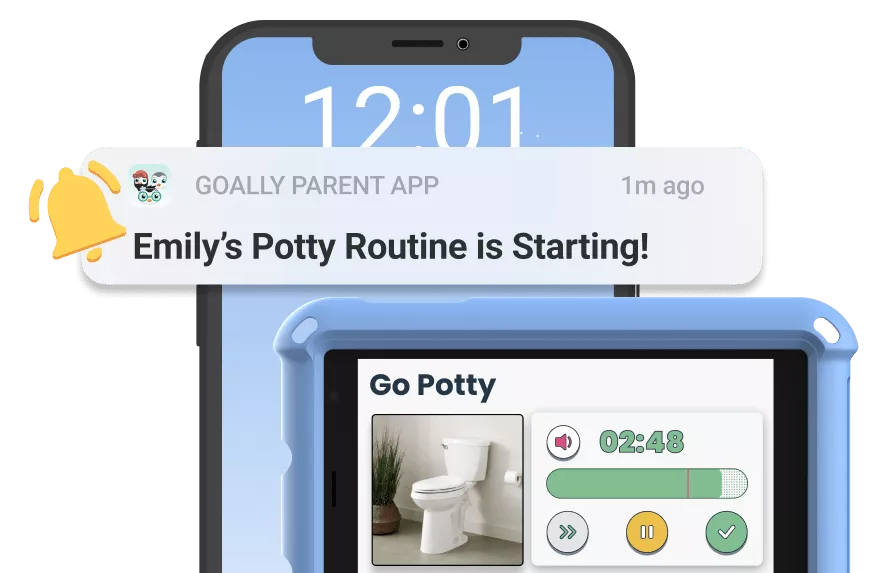
Goally is a great tool for kids with ASD who are looking to improve their life and language skills. It can be used in the home or clinic, and it is tailored to the individual needs of each child. Goally is a digital therapy and teaching assistant that can help kiddos with autism spectrum disorder (ASD). Goally can help children with a variety of tasks, including:

- Learning New Skills: Goally’s video classes helps children learn new skills, such as: how to follow directions, how to interact with peers, and how to make a sandwich.
- Increased Communication: Goally helps children effectively communicate wants and needs while also teaching them their first 50 words, allowing children to participate in the world around them.
- Behavior Management: Goally helps children manage their behavior, both in the classroom and at home by rewarding positive behaviors created by parents and teachers.
Goally’s distraction-free kid’s tablet can be used as a therapy tool to help teach executive function, language, emotional regulation, finger dexterity skills, and more!
IEPs are invaluable tools for helping kids with learning and thinking differences thrive in school. They ensure personalized support, access to essential services, and a team that’s dedicated to your child’s success. If you think an IEP might be right for your child, don’t hesitate to start the evaluation process—your advocacy makes all the difference.
Helpful Resources
FAQ’s About Why Are IEPs Important?
What is an IEP?
An IEP, or Individualized Education Program, is a customized learning plan for kids with special needs, outlining specific goals and services.

Who qualifies for an IEP?
Kids with learning disabilities, autism, ADHD, and other special needs may qualify for an IEP if they need extra support in school.

How does an IEP help my child?
IEPs provide personalized goals, specialized services, and a collaborative team approach to help kids succeed academically and socially.

Can parents request changes to an IEP?
Yes, parents can request an IEP review at any time if they feel adjustments are needed to better support their child’s learning needs.

Emily is a seasoned blog writer for Goally, leveraging her extensive background in child psychology and special education to provide valuable insights and resources for parents. Her commitment to understanding and addressing the unique needs of these children, combined with her expertise in educational strategies, makes her a credible and empathetic voice for families.