As someone who works closely with kids, I’ve noticed many unique behaviors, including humming. This common yet curious habit often raises questions for parents: is humming a sign of mental illness? Understanding the reasons behind humming can help parents better support their kids. In this blog, I’ll explore what humming means, its potential links to mental health, and how you can address it if needed.
Table of Contents
What is Humming?
Humming is the act of producing a continuous sound with closed lips. Kids might hum when they are engaged in activities, feeling happy, or even when they are anxious. It’s a natural behavior that can be soothing for them. But when humming becomes persistent or disruptive, it can concern parents.
Types of Humming
- Self-Soothing Humming: Kids hum to calm themselves during stressful situations.
- Stimulating Humming: Humming to maintain focus or stimulation, especially during boring or repetitive tasks.
- Habitual Humming: Humming out of habit without a specific emotional or situational trigger.
Goally | The Tablet for Neurodiverse Kids

Is Humming a Sign of Mental Illness?
Humming itself is not a definitive sign of mental illness. However, it can sometimes be associated with conditions like anxiety, autism, or obsessive-compulsive disorder (OCD). According to the National Institute of Mental Health (NIMH), repetitive behaviors like humming can be a way for kids to cope with overwhelming emotions or sensory input.
Other Signs of Mental Illness
- Obsessive Thoughts: Recurrent and persistent thoughts that are intrusive and cause distress.
- Anxiety Symptoms: Excessive worry, restlessness, or trouble concentrating.
- Autism Spectrum Behaviors: Repetitive actions, strict routines, and difficulty with social interactions.
- ADHD Symptoms: Inattention, hyperactivity, and impulsivity that affect daily functioning.
Why Do Kids Hum?
There are several reasons why kids might hum:
- Self-Regulation: Humming helps kids manage their emotions and sensory experiences.
- Focus: Humming can help maintain concentration during tasks that require sustained attention.
- Expression: For some kids, humming is a way to express their feelings without using words.

Read more: Kids Mental Health Test
When Should You Be Concerned?
If humming is frequent and impacts your child’s daily life or is accompanied by other concerning behaviors, it’s important to seek advice from a healthcare professional. Early intervention can help address underlying issues. The American Psychological Association recommends observing changes in behavior and seeking help if these changes are persistent and affect daily functioning.
Steps to Take
- Monitor the Behavior: Keep a journal of when and why your child hums to identify patterns.
- Consult a Professional: Speak with a pediatrician or child psychologist for further evaluation.
- Consider Therapy: Therapies like cognitive-behavioral Therapy (CBT) can help address the underlying causes of humming.
How to Support Your Child
Supporting your child through their humming behavior involves understanding and patience. Here are some strategies:
- Encourage Communication: Help your child express their feelings in words rather than humming.
- Provide Sensory Activities: Offer activities that fulfill their sensory needs, like playing with sensory toys or engaging in physical activities.
- Create a Calm Environment: Ensure that your child’s environment is calm and free from overwhelming stimuli.
- Use Positive Reinforcement: Praise and reward your child when they use alternative coping strategies.
Real-Life Stories
I recall working with a young boy named Sam, who hummed constantly during class. His parents were worried it might be a sign of a deeper issue. After seeking help from a therapist, they discovered that Sam used humming to manage his anxiety. With a tailored plan that included Therapy and sensory activities, Sam’s humming decreased, and he became more focused and less anxious. Stories like Sam’s show how understanding and addressing behaviors can significantly improve a child’s life.
Goally | Apps To Support Child Development
Looking for fun ways to help your child learn life skills? Try Goally! The Goally tablet comes with award-winning learning apps and video classes to help kids develop the skills they need to become independent with FUN & evidence-based practices.
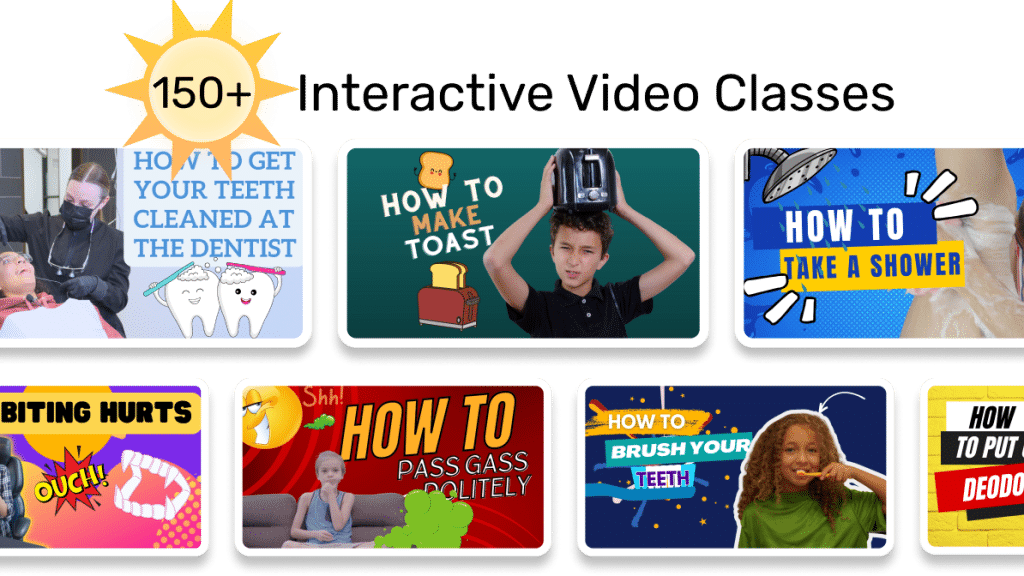
Our apps teach executive function, language, emotional regulation, finger dexterity skills, and more.
As your child develops new skills, you can increase the difficulty level of the tasks in the app to challenge and motivate them even further. This helps your child grow and progress at their own pace, while also keeping them engaged and excited about their development.
Understanding the reasons behind humming and taking appropriate steps can help you support your child effectively. Remember, seeking professional advice is key to ensuring your child’s well-being. By addressing the root causes and providing the right support, you can help your child thrive.
Helpful Resources
- National Institute of Mental Health (NIMH)
- American Psychological Association (APA)
- Centers for Disease Control and Prevention (CDC)
FAQs About Is Humming a Sign of Mental Illness
What is humming in children?
Humming is making a continuous sound with closed lips, often used by kids to self-soothe or focus.

Is humming always a sign of mental illness?
No, humming can be a common behavior in kids. Still, it might indicate an underlying issue if it's persistent and disruptive.

How can I tell if my child's humming concerns me?
Consult a healthcare professional if the humming is frequent, intense, or affects your child's daily life.

What steps can I take if I’m concerned about my child’s humming?
Monitor the behavior, seek professional advice, and consider Therapy to address underlying causes.

What resources are available for parents of children with mental health concerns?
Organizations like NIMH, APA, and the CDC offer valuable information and support.

Emily is a seasoned blog writer for Goally, leveraging her extensive background in child psychology and special education to provide valuable insights and resources for parents. Her commitment to understanding and addressing the unique needs of these children, combined with her expertise in educational strategies, makes her a credible and empathetic voice for families.