Working with children has given me a wealth of insight into various developmental patterns, including autism. Many parents often ask me how they can determine if their child might be on the autism spectrum. Recognizing the early signs can make a significant difference in fostering their unique strengths. This guide will discuss the telltale signs of autism, methods for a thorough evaluation, and ways to cater to your child’s specific needs. Let’s learn about neurodiversity and explore the incredible spectrum of possibilities.
Table of Contents
Understanding Autism: What You Need to Know
Autism, or Autism Spectrum Disorder (ASD), is a condition that affects how a person communicates, interacts, and understands the world around them. It’s called a spectrum because it includes various abilities and challenges. Here are some key features of autism:
- Difficulty with social communication and interaction
- Repetitive behaviors or interests
- Sensory sensitivities
- Challenges with emotional regulation

Read more: Is Sensory Processing Disorder Autism?
Remember that every autistic child is unique, and experiences may differ. It’s important to be open-minded when approaching this topic. To better understand autism, let’s take a closer look at the common signs and how they might appear in your child’s life.
How to Tell if Your Kid is Autistic: Signs to Watch For
Let’s tackle these signs by putting them into four key buckets: social communication and interaction, repetitive behaviors alongside limited interests, sensory sensitivities, and emotional regulation challenges. In understanding these areas, we’re better equipped to support our kids and their unique needs.
1. Social Communication and Interaction
Autistic kids may have trouble with different parts of social communication, such as:
- Delayed or limited speech development
- Difficulty making eye contact or talking with others
- Challenges understanding nonverbal cues, like facial expressions and body language
- Struggling to make friends or keep relationships
It’s essential to remember that not all autistic children will have the same difficulty with social communication. Some may have more challenges than others, and their abilities may change as they grow and develop.

2. Repetitive Behaviors and Limited Interests
Children with autism may show repetitive behaviors or have narrow interests, like:
- Repeating words, phrases, or actions (echolalia)
- Doing repetitive movements, like hand-flapping or rocking
- Insisting on routines and having trouble with change
- Focusing a lot on specific topics or objects
These behaviors can sometimes comfort autistic children, helping them cope with stress or anxiety. As a parent, being patient and understanding is important when your child engages in these behaviors.
3. Sensory Sensitivities
Many autistic kids have strong sensory sensitivities, which can show up as:
- Overreacting to certain sounds, textures, or tastes
- Seeking out specific sensory experiences, like deep pressure or spinning
- Avoiding bright lights or crowded places
Understanding your child’s sensory needs can help you create a more comfortable environment for them. For example, you might provide noise-canceling headphones for loud events or offer fidget toys to help with sensory input.

Read More: Does Your Child Have Sensory Sensitivities?
4. Emotional Regulation Challenges
Autistic children may have trouble controlling their emotions, leading to:
- Frequent meltdowns or outbursts
- Difficulty expressing or identifying emotions
- Challenges with empathy or understanding others’ emotions
Supporting your child’s emotional development can involve teaching them coping strategies, providing a safe space to express their feelings, and modeling healthy emotional expression.
Next Steps: Getting a Professional Evaluation
If you’ve noticed some of these signs in your child, it’s important to talk to a professional for a complete evaluation. A pediatrician, psychologist, or developmental specialist can help you figure out if your child is autistic and give you advice on the right support and help.
During the evaluation process, the professional will likely ask you about your child’s developmental history, observe their behavior, and use standardized assessment tools to gather information. This process can help determine if your child is autistic and identify any additional support they may need.
Supporting Your Neurodivergent Child
Whether your child gets an autism diagnosis or not, supporting their unique needs and strengths is crucial. Here are some ways to help your neurodivergent child succeed:
- Find the right therapies and help, like speech therapy, occupational therapy, or social skills groups
- Ask for accommodations and support in school
- Encourage your child’s interests and strengths
- Connect with other parents of neurodivergent kids for advice and support
- Practice patience, empathy, and understanding
Remember that every child is different. What works for one child might not work for another. Be open to new strategies and adjust your approach to best support your child.
Goally | Apps To Structure Your Kid’s Routine
Does your child struggle with transitions or staying on task? Goally’s visual schedule app breaks down large tasks into small, achievable steps. It helps kids complete their tasks independently!
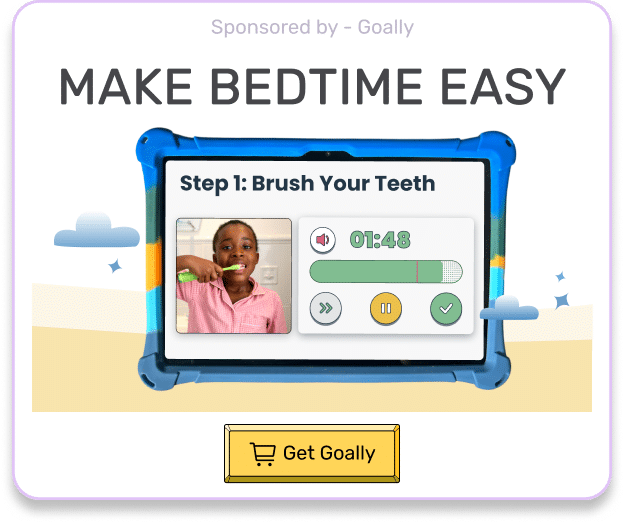
Create custom routines with your own videos & pictures for every step. The steps come in small, bite-sized pieces to help your child learn the little fundamentals (like putting the toothpaste on their toothbrush!) to achieve bigger goals. And that’s just the beginning.
Navigating how to tell if your kid is autistic can be a journey of discovery. Understanding a diagnosis isn’t about constraints – it’s an opportunity to tap into your child’s distinct needs and strengths. Embracing neurodiversity is akin to championing your child’s unique way of being. As parents, standing alongside our kids, we can foster their growth towards their fullest potential and a contented life. Remember, every child, autistic or not, holds a world of possibilities. A diagnosis merely helps us tailor our support to their unique path.
Helpful Resources
FAQ’s About How to Tell If Your Child is Autistic
What are common signs of autism in children?
Common signs include difficulties with communication, social interactions, and repetitive behaviors.

How can I identify if my child has autism?
Look for signs such as limited eye contact, challenges with understanding social cues, and repetitive movements.

When should I seek a professional evaluation for autism?
Seek evaluation if you notice consistent developmental delays or unusual behaviors in your child.

What early interventions are available for autism?
Early interventions include speech therapy, behavioral therapy, and special education programs tailored to autism.

How can I support my child if they are diagnosed with autism?
Support your child by providing structured routines, using visual schedules, and seeking guidance from autism specialists.
This post was originally posted on 05/01/2023. It was updated on 08/08/2024.

Emily is a seasoned blog writer for Goally, leveraging her extensive background in child psychology and special education to provide valuable insights and resources for parents. Her commitment to understanding and addressing the unique needs of these children, combined with her expertise in educational strategies, makes her a credible and empathetic voice for families.