Teaching kids how to greet a friend is more than just showing them how to say “hi.” It’s about helping them develop social skills, build confidence, and create positive interactions with others. I’ve seen how a simple greeting can set the tone for a great day and strengthen friendships. In this guide, I’ll walk you through step-by-step instructions on how to teach your kids the art of greeting a friend. These tips will not only make their greetings more meaningful but also help them connect better with their peers.
Table of Contents
Step 1: Start with a Smile
The first step in teaching kids how to greet a friend is to emphasize the importance of a smile. A smile is a universal sign of friendliness and can instantly make both your child and their friend feel more comfortable. I always tell kids that a smile is like a warm welcome that doesn’t need words. It shows their friend that they’re happy to see them and ready to engage.
You can practice smiling with your child at home. Make it fun by turning it into a game where they have to smile and greet as many people as possible in different scenarios, like when you’re at the grocery store or on a walk. Over time, smiling will become a natural part of their greeting routine, making their interactions more positive and inviting.
Step 2: Make Eye Contact
Making eye contact is another crucial part of greeting a friend. It shows that your child is focused on the person they’re greeting and that they’re interested in the interaction. I always encourage kids to look their friends in the eyes when saying hello. This not only makes the greeting more personal but also helps build confidence and communication skills.
For kids who might find eye contact challenging, especially neurodivergent kids, you can practice this step gradually. Start by encouraging them to look at the space between the person’s eyes if direct eye contact feels uncomfortable. With practice, they’ll become more comfortable with eye contact, which will enhance their social interactions.
Step 3: Say Their Name
One of the simplest yet most effective ways to make a greeting special is to include the friend’s name. I always teach kids that saying someone’s name makes the greeting more personal and shows that they’re paying attention. For example, instead of just saying “Hi,” encourage your child to say “Hi, Emily!” or “Hello, Jacob!” This small addition can make a big difference in how the greeting is received.
Practice this with your child by role-playing different greeting scenarios. You can pretend to be different friends, and have your child greet you using your name. This practice not only reinforces the habit of using names in greetings but also helps them remember their friends’ names, which is an important social skill.
Step 4: Use a Friendly Tone
The tone of voice is just as important as the words used in a greeting. I always remind kids that a friendly tone can make their greeting sound warm and inviting, while a monotone or flat voice might make it seem like they’re not really interested in the interaction. Encourage your child to use a cheerful and upbeat tone when greeting their friends.

Read more: How to Help Your Child Make Friends
You can help your child practice by having them say the same greeting in different tones. For example, they can try saying “Good morning!” in a happy, excited voice, and then in a flat, uninterested voice. Discuss how each tone makes them feel and why the friendly tone is more effective. This will help them understand the impact of their voice on social interactions.
Step 5: Offer a Handshake or Wave
Depending on the situation, a handshake or a wave can be a great way to add a physical gesture to the greeting. I’ve found that this can make the interaction feel more complete and can also be a good way for kids to express friendliness, especially in more formal settings. Teach your child how to offer a firm but gentle handshake if appropriate, or how to give a friendly wave if they’re greeting from a distance.
Practice handshakes with your child, showing them how to offer their hand confidently and how to grip the other person’s hand without squeezing too hard. For a wave, encourage them to smile and raise their hand in a clear, friendly manner. These gestures, combined with a verbal greeting, can make their interactions feel more polished and welcoming.
Step 6: Ask a Simple Question
Adding a simple question to the greeting can help extend the interaction and show that your child is interested in their friend. I always suggest questions like “How are you?” or “What’s up?” as they’re easy to remember and respond to. This small addition can turn a quick greeting into a brief conversation, which can strengthen the bond between friends.
Role-playing different scenarios can help your child feel more comfortable with this step. You can take turns greeting each other and asking questions, then practice responding in a friendly way. This not only helps your child practice their greetings but also improves their conversational skills.
Step 7: Be Aware of Personal Space
Respecting personal space is an important aspect of greeting a friend. I always remind kids that while it’s good to be friendly, it’s also important to give others enough space so they feel comfortable. Teach your child to stand at an appropriate distance when greeting someone—close enough to show they’re engaged, but not so close that it feels intrusive.
You can practice this by setting up a “personal space” zone at home, using objects like cones or pillows to mark the boundaries. Have your child practice approaching the boundary, greeting you, and then stepping back. This helps them understand how to respect others’ personal space while still being friendly and approachable.
Step 8: End with a Kind Gesture
After the initial greeting, ending with a kind gesture can leave a positive impression. I encourage kids to say something nice, like “It’s great to see you!” or “Have a nice day!” This leaves their friend with a warm feeling and shows that your child values the interaction. These small acts of kindness can go a long way in building strong, positive relationships.
You can help your child come up with a few kind phrases that they can use after their greetings. Practice using these phrases in different scenarios, so they feel natural for your child to use. This final step not only enhances the greeting but also reinforces the importance of kindness in all interactions.
SPONSORED BY: Goally
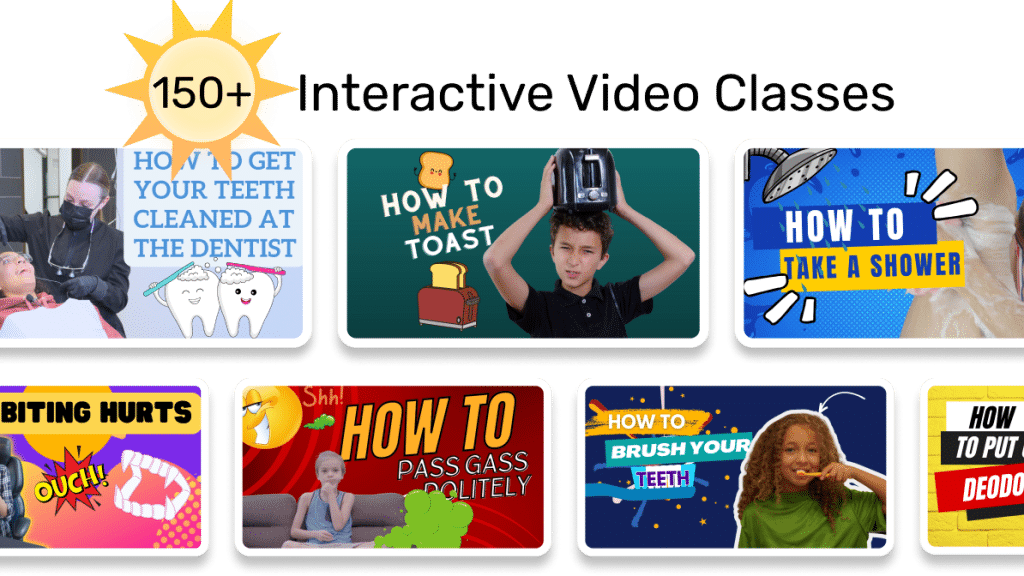
Goally’s Kid’s Tablet has one of the largest libraries of skill-building videos (like “How to Share” and “What To Do When You’re Lost”) in the Goal Mine app.👇
Teaching your child how to greet a friend effectively is about more than just saying “hi.” It’s about helping them develop the social skills they need to build strong, lasting friendships. By following these steps, you can ensure that your child’s greetings are friendly, confident, and meaningful, setting the stage for positive interactions in all areas of their life.
Helpful Resources
FAQ’s About Greeting a Friend
How can I teach my child the skill of greeting a friend?
Begin with teaching your child to recognize their friends, then guide them on approaching with a smile, using an appropriate greeting, making small talk, and concluding the conversation.

What are some simple greetings for kids to use when greeting a friend?
Basic greetings such as "Hello", "Hi", or "Good morning" are a good starting point when teaching your child how to greet a friend.

How does Goally assist in teaching kids how to greet a friend?
Goally breaks down the art of greeting a friend into bite-sized, easy-to-follow video classes rooted in task analysis and behavioral skills training.

What other social skills does Goally help in teaching kids?
Goally offers guidance in teaching a wide range of life skills, including sharing, asking for help, enquiring about others’ well-being, and more.

Does regular practice play an important role in teaching kids the skill of greeting a friend?
Absolutely, regular real-life and role-play practice can solidify your child's comfort and confidence in the act of greeting a friend.
This post was originally published on 10/10/2023. It was updated on 08/16/2024.

Emily is a seasoned blog writer for Goally, leveraging her extensive background in child psychology and special education to provide valuable insights and resources for parents. Her commitment to understanding and addressing the unique needs of these children, combined with her expertise in educational strategies, makes her a credible and empathetic voice for families.