Autism spectrum disorder (ASD) is a complex developmental condition that affects individuals differently. Early identification and intervention can significantly improve outcomes for those with autism. Although there is no medical test, such as a blood test, to diagnose autism, several screening tools can help identify potential symptoms and guide further assessment by healthcare professionals.
Autism Screening Tools
There is no medical test, such as a blood test, to diagnose autism spectrum disorder (ASD). Instead, experienced professionals evaluate a person’s developmental history and behavior, interview and observe the person and their loved ones, and use professional screening and diagnostic tools for diagnosis.
Although only a healthcare professional can diagnose autism, several screening tools can help alert parents, caregivers, and autistic individuals to potential symptoms. Early autism screening can improve access to services and supports, influencing future outcomes for autistic individuals.
Table of Contents
Autism Screening Tools
The screening tools listed below can help identify children and adults who might have ASD. This list is not exhaustive, and other tests are available. A positive result on a screening tool is NOT a diagnosis and should be followed by a thorough assessment by a healthcare professional.
Modified Checklist for Autism in Toddlers, Revised (M-CHAT-R)
For ages 16 to 30 months
The M-CHAT-R is a free parent-completed questionnaire with 20 questions about your child’s behavior. Use the results to discuss any concerns with your child’s healthcare provider.
Social Attention and Communication Surveillance, Revised (SACS-R) and SACS-Preschool (SACS-PR) Tools
For ages 12 to 60 months
Developed by La Trobe University, these tools are designed to identify behaviors characteristic of children on the spectrum from 12 months old through preschool. Administered by a trained professional.
Social Challenges Screening Questionnaire (SCSQ)
For school-aged children
This 15-question social challenges screening questionnaire by the Southwest Autism Research & Resource Center (SARRC) is for parents, educators, and medical professionals to identify children with symptoms of level 1 ASD (formerly Asperger syndrome).
Autism Spectrum Quotient (AQ) Test
For ages 16+ years
The Autism Spectrum Quotient Test is a self-administered 50-question test used to measure autistic traits in adolescents and adults aged 16+. The questionnaire is suitable for people with an IQ over 80.
Understanding and utilizing autism screening tools can provide early insights and prompt necessary interventions, ultimately enhancing the quality of life for individuals with autism. While these tools are valuable, it is essential to follow up with a thorough assessment by a healthcare professional for an accurate diagnosis and tailored support.
Goally is a valuable resource for clinicians who are looking for ways to support children with speech and language problems.
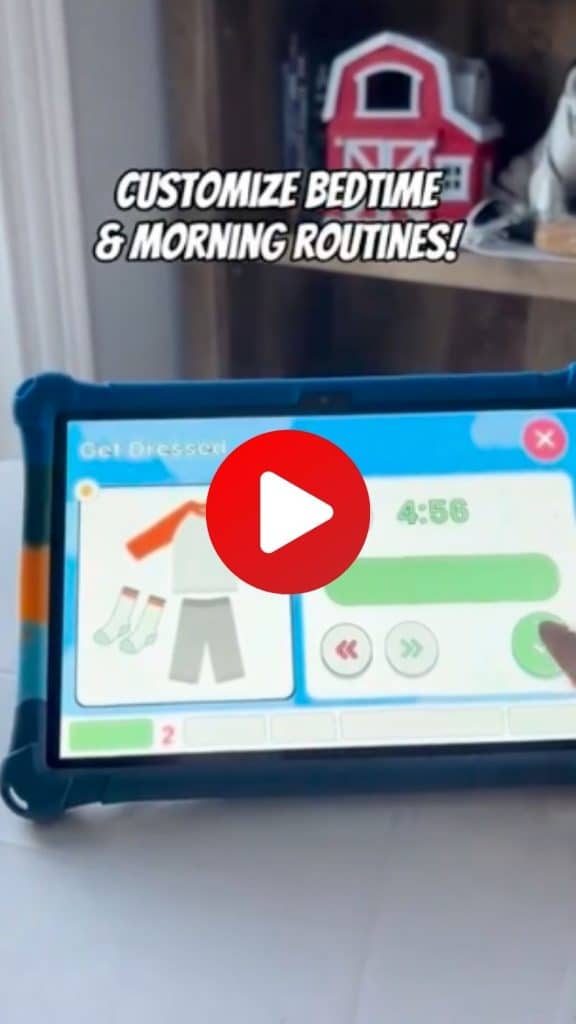
- Individualized Instruction. Goally can be easily customized to meet the specific needs of each child supporting the skills that they need most, at each child’s own pace.
- Increased Engagement. Goally is a fun and interactive tool that can help children stay engaged while learning.
- Improved Communication. Goally helps children learn to effectively communicate wants and needs, and allows children to participate in the world around them.
- Bonus: Goally’s Core Word Lessons teaches kids their first 50 words through video modeling and interactive practice.
Goally’s distraction-free kid’s tablet can be used as a therapy tool to help teach executive function, language, emotional regulation, finger dexterity skills, and more!
Helpful Resources
FAQ’s About Autism Testing
What is the first step in testing for autism?
The first step in testing for autism is a developmental screening by a healthcare professional.

At what age can autism be reliably diagnosed?
Autism can be reliably diagnosed as early as age 2.

What types of professionals can diagnose autism?
Professionals who can diagnose autism include developmental pediatricians, child psychologists, and neurologists.

What does an autism evaluation typically involve?
An autism evaluation typically involves observing the child's behavior and development, along with interviews with parents.

How long does the autism diagnosis process take?
The autism diagnosis process can take several hours to multiple visits, depending on the complexity of the case.

Emily is a seasoned blog writer for Goally, leveraging her extensive background in child psychology and special education to provide valuable insights and resources for parents. Her commitment to understanding and addressing the unique needs of these children, combined with her expertise in educational strategies, makes her a credible and empathetic voice for families.