Working with kids with diverse needs, I’ve seen the profound impact understanding different types of handicapped disabilities can have on their support and development. Knowing the various types helps us provide better care and resources tailored to each child’s needs. In this blog, I’ll explore the different types of handicapped disabilities, providing a detailed look at each to help you better understand and support your child.
Table of Contents
1. Physical Disabilities
Physical disabilities affect a person’s mobility, skill, or stamina. Common examples include cerebral palsy, muscular dystrophy, and spinal cord injuries. These disabilities often require assistive devices like wheelchairs, braces, or prosthetics to improve mobility and independence.
Physical disabilities can result from congenital conditions, injuries, or illnesses. Early intervention and physical therapy can significantly improve outcomes for children with physical disabilities.
2. Sensory Disabilities
Sensory disabilities impact one or more senses. This includes vision impairments like blindness or low vision and hearing impairments like deafness or hard of hearing. Children with sensory disabilities may use assistive technologies like hearing aids, cochlear implants, or Braille readers.
Support for sensory disabilities often involves specialized education plans and accessibility modifications to ensure effective communication and learning environments.
Goally | The Tablet for Neurodiverse Kids
3. Intellectual Disabilities
Intellectual disabilities, also known as cognitive disabilities, affect intellectual functioning and adaptive behavior. Conditions such as Down syndrome, fetal alcohol spectrum disorders, and Fragile X syndrome fall under this category. These disabilities can impact learning, problem-solving, and daily living skills.
Children with intellectual disabilities benefit from tailored educational programs, speech therapy, and occupational therapy to enhance their development and independence.
4. Learning Disabilities
Learning disabilities are neurological disorders that affect one’s ability to read, write, speak, or do math. Dyslexia, dyscalculia, and dysgraphia are common examples. These disabilities do not indicate low intelligence but rather differences in information processing.
Early diagnosis and intervention, including specialized teaching strategies and accommodations, can help children with learning disabilities succeed academically and socially.

Read more: Intellectual Disability Test for Kids
5. Developmental Disabilities
Developmental disabilities are conditions resulting from impairments in physical, learning, language, or behavior areas. Autism spectrum disorder (ASD) and attention-deficit/hyperactivity disorder (ADHD) are among the most common developmental disabilities. These conditions can affect communication, social interactions, and behavior.
Support for developmental disabilities often includes behavioral therapy, speech therapy, and structured routines to help children develop essential skills and manage symptoms.
6. Psychological Disabilities
Psychological disabilities, also known as mental health disorders, impact a person’s mood, thinking, and behavior. Conditions such as depression, anxiety disorders, and bipolar disorder are examples. These disabilities can significantly affect daily functioning and quality of life.
Children with psychological disabilities benefit from counseling, medication, and supportive environments that promote emotional well-being and resilience.
7. Multiple Disabilities
Multiple disabilities refer to the coexistence of two or more impairments that create significant challenges in multiple areas of functioning. For example, a child may have both a physical and an intellectual disability. These complex needs require comprehensive and coordinated care plans.
Interventions for multiple disabilities often involve a multidisciplinary approach, combining therapies, medical treatments, and educational support to address the child’s unique needs holistically.
8. Invisible Disabilities
Invisible disabilities are not immediately apparent and can include chronic pain, fatigue, or neurological disorders like epilepsy and migraines. Despite not being visible, these disabilities can profoundly impact daily life and functioning.
Supporting children with invisible disabilities involves recognizing their challenges and providing appropriate accommodations and emotional support to help them thrive.
Goally | Apps To Support Child Development
Looking for fun ways to help your child learn life skills? Try Goally! The Goally tablet comes with award-winning learning apps and video classes to help kids develop the skills they need to become independent with FUN & evidence-based practices.
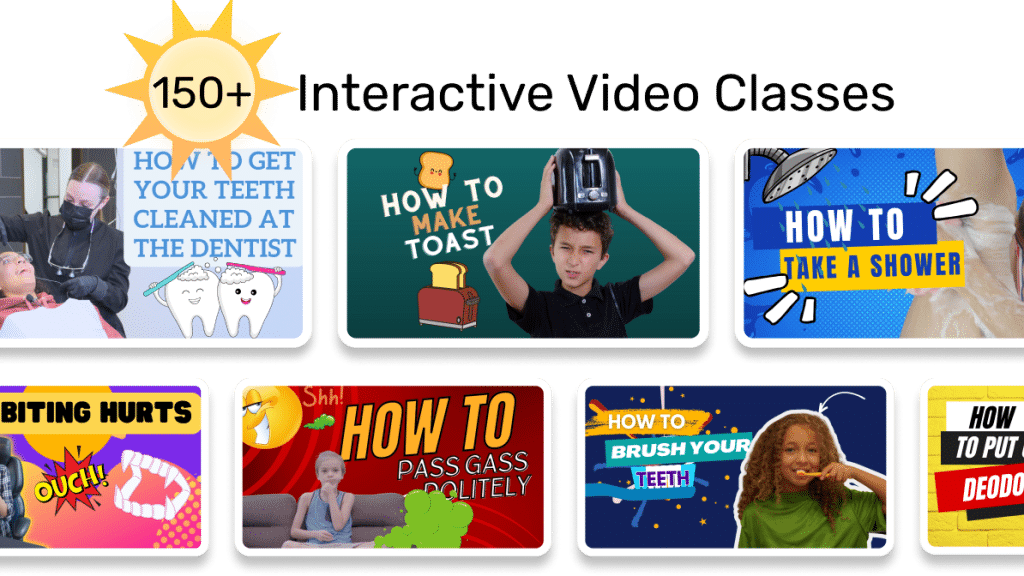
Our apps teach executive function, language, emotional regulation, finger dexterity skills, and more.
As your child develops new skills, you can increase the difficulty level of the tasks in the app to challenge and motivate them even further. This helps your child grow and progress at their own pace, while also keeping them engaged and excited about their development.
Understanding the different types of handicapped disabilities is crucial for providing effective support and resources for kids. From physical and sensory disabilities to intellectual and developmental conditions, each type requires tailored approaches to care and intervention. As caregivers and educators, we ensure that each child receives the understanding and assistance they need to reach their full potential. By educating ourselves about these disabilities, we can create a more inclusive and supportive environment for all kids.
Helpful Resources
FAQ’s About Types of Handicapped Disabilities
What are the main types of handicapped disabilities?
The main types of handicapped disabilities include physical, sensory, intellectual, learning, developmental, psychological, multiple, and invisible disabilities.

How do physical disabilities affect kids?
Physical disabilities impact a child's mobility, dexterity, or stamina, often requiring assistive devices like wheelchairs or braces.

What are examples of sensory disabilities?
Examples of sensory disabilities include vision impairments like blindness and hearing impairments like deafness.

How can learning disabilities be managed in kids?
Learning disabilities can be managed with specialized teaching strategies, early intervention, and accommodations to support academic success.

Why is early intervention important for developmental disabilities?
Early intervention for developmental disabilities, such as autism and ADHD, helps improve communication, social skills, and overall development.

Emily is a seasoned blog writer for Goally, leveraging her extensive background in child psychology and special education to provide valuable insights and resources for parents. Her commitment to understanding and addressing the unique needs of these children, combined with her expertise in educational strategies, makes her a credible and empathetic voice for families.