In my experience working with kids, understanding the different types of cerebral palsy (CP) is crucial for parents and caregivers. Cerebral palsy is a disorder that causes abnormal posture or movement, and its types are classified based on the body parts affected and mobility limitations. Each type presents unique challenges, and understanding these can help manage and support kids with CP. Let’s explore the various types of cerebral palsy to better understand their characteristics and impacts.
Table of Contents
1. Spastic Cerebral Palsy
Spastic cerebral palsy is the most common type, characterized by stiff muscles that can cause jerky or repetitive movements. This type, or pyramidal motor disorder, includes hypertonia and pathological reflex activation, making movement difficult and awkward.
Kids with spastic CP may experience increased muscle tone, leading to tightness and stiffness in their limbs. This can affect their ability to move smoothly, resulting in difficulties with walking and other motor skills.
2. Dyskinetic Cerebral Palsy
Dyskinetic cerebral palsy, also known as athetoid CP, involves slow, uncontrollable, jerky movements of the arms, legs, hands, or feet. This type can be further divided into athetoid and dystonic categories.
Athetoid CP is characterized by involuntary movements. At the same time, dystonic CP involves more sustained muscle contractions that can cause twisting and repetitive movements. These can affect a child’s ability to control their movements, making tasks like eating and writing challenging.
Goally | The Tablet for Neurodiverse Kids
3. Ataxic Cerebral Palsy
Ataxic cerebral palsy primarily affects balance and depth perception. Kids with this type of CP may have shaky movements and struggle with coordination and fine motor skills.
They might appear unsteady and have difficulty with tasks that require precise movements, such as buttoning a shirt or using utensils. Balance issues can also affect their ability to walk steadily.
4. Hemiplegic Cerebral Palsy
Hemiplegic cerebral palsy results from damage to parts of the brain that control muscle movements, causing paralysis on one side of the body. Kids can have right-side or left-side hemiplegia.
This type affects one side of the body, leading to weakness or stiffness in the affected limbs. It can impact a child’s ability to use one hand or leg effectively, influencing their daily activities and mobility.
5. Diplegic Cerebral Palsy
Diplegic cerebral palsy mainly affects both legs, causing stiffness and difficulty in movement. Kids with diplegia may also have challenges with fine hand movements.
This type often results in a scissoring gait, where the legs cross over each other while walking. Physical therapy and mobility aids can help improve movement and independence for kids with diplegia.

Read more: What Causes Cerebral Palsy?
6. Quadriplegic Cerebral Palsy
Quadriplegic cerebral palsy affects the whole body, including both arms, legs, and the trunk. This is often the most severe form of CP, impacting muscle control and coordination.
Kids with quadriplegia may have significant difficulties with movement, posture, and balance. They might require extensive support and assistive devices to perform daily activities and improve their quality of life.
7. Hypotonic Cerebral Palsy
Hypotonic cerebral palsy is characterized by decreased muscle tone, causing floppy or loose muscles. Babies with hypotonic CP may appear like rag dolls because their limbs don’t stiffen when moved or picked up.
This type can affect a child’s ability to control their muscles and maintain posture. Early intervention and physical therapy are essential to help strengthen muscles and improve motor skills.
Goally | Apps To Support Child Development
Looking for fun ways to help your child learn life skills? Try Goally! The Goally tablet comes with award-winning learning apps and video classes to help kids develop the skills they need to become independent with FUN & evidence-based practices.
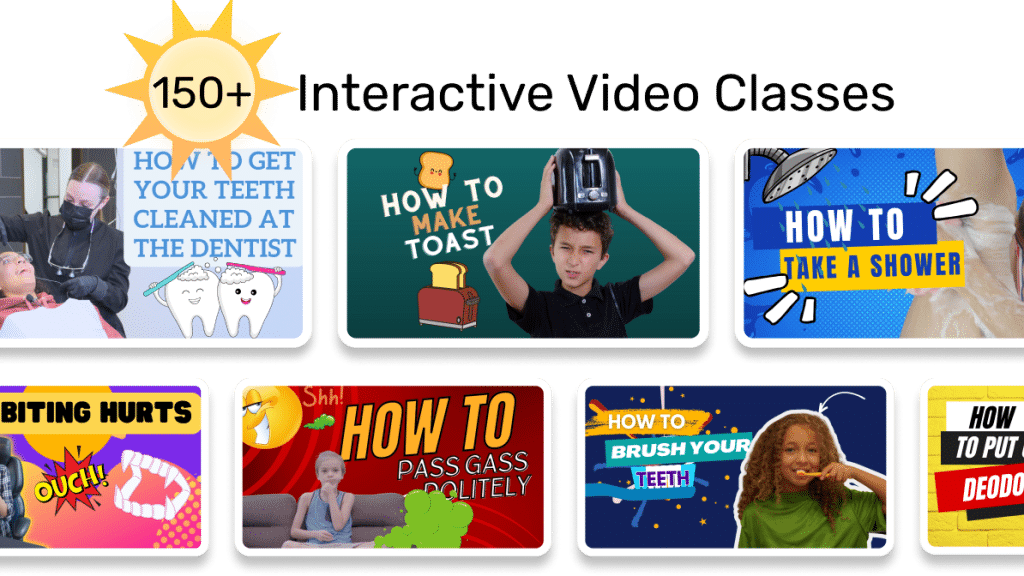
Our apps teach executive function, language, emotional regulation, finger dexterity skills, and more.
As your child develops new skills, you can increase the difficulty level of the tasks in the app to challenge and motivate them even further. This helps your child grow and progress at their own pace, while also keeping them engaged and excited about their development.
Understanding the different types of cerebral palsy is vital for providing the best care and support for kids with CP. Each type presents unique challenges, but kids can achieve improved mobility and a better quality of life with the right strategies and interventions. By knowing the characteristics and impacts of each type, parents and caregivers can better manage and support their child’s needs effectively.
Helpful Resources
- Cerebral Palsy Foundation
- National Institute of Neurological Disorders and Stroke (NINDS)
- Centers for Disease Control and Prevention (CDC)
FAQ’s About the Types of Cerebral Palsy
What are the main types of cerebral palsy?
The main types of cerebral palsy are spastic, dyskinetic, ataxic, hemiplegic, diplegic, quadriplegic, and hypotonic.

What is spastic cerebral palsy?
Spastic cerebral palsy is the most common type, characterized by stiff muscles and jerky movements.

What is dyskinetic cerebral palsy?
Dyskinetic cerebral palsy involves slow, uncontrollable movements and can be divided into athetoid and dystonic types.

What is ataxic cerebral palsy?
Ataxic cerebral palsy affects balance and coordination, causing shaky movements and difficulties with precise tasks.

How does hypotonic cerebral palsy present in babies?
Hypotonic cerebral palsy is marked by decreased muscle tone, making babies appear floppy or loose like rag dolls.

Emily is a seasoned blog writer for Goally, leveraging her extensive background in child psychology and special education to provide valuable insights and resources for parents. Her commitment to understanding and addressing the unique needs of these children, combined with her expertise in educational strategies, makes her a credible and empathetic voice for families.