No matter how independent my child is, teaching them to take responsibility for their chores can feel like stepping onto a battleground. But here’s the thing: creating a list of chores doesn’t have to be a struggle. Household tasks can empower my child and help them gain confidence and independence, no matter how their brain works. This post lays out a practical list of chores that go beyond just “taking out the trash.” From food prep to self-care, these are tasks my child can start today. No fluff—just actionable stuff.
Table of Contents
1. Sorting the Laundry
Why It’s Great: First off, sorting laundry is like a live-action puzzle, but with socks. It helps develop color recognition and categorization skills.
- How to Make It Fun: Make it a game. “Find all the blue socks!” or “Which pile does this shirt go into?”
- Tools: Hampers with labels or colors for different types of laundry.
2. Making Their Bed
Why It’s Great: Above all, bed-making teaches the value of starting the day with a win and maintaining personal space.
- How to Make It Fun: Turn it into a race against the clock or use a Goally app to track their progress.
- Tools: Easy-to-use bedding like duvets or comforters that aren’t complicated.

Read more: Chore Chart for Teens
3. Prepping Snacks
Why It’s Great: Kids love food, right? Here’s their chance to get creative while learning about nutrition.
- How to Make It Fun: Let them choose the ingredients. Celery or apple slices? Nut butter or hummus? The sky’s the limit.
- Tools: Safe, child-friendly kitchen tools. Think plastic knives and non-slip cutting boards.
4. Feeding a Pet
Why It’s Great: Certainly, caring for another living thing fosters empathy and responsibility.
- How to Make It Fun: Establish a pet-feeding schedule and let your child be the ‘Pet Food Chief.’
- Tools: Measuring cups, easy-open pet food containers.
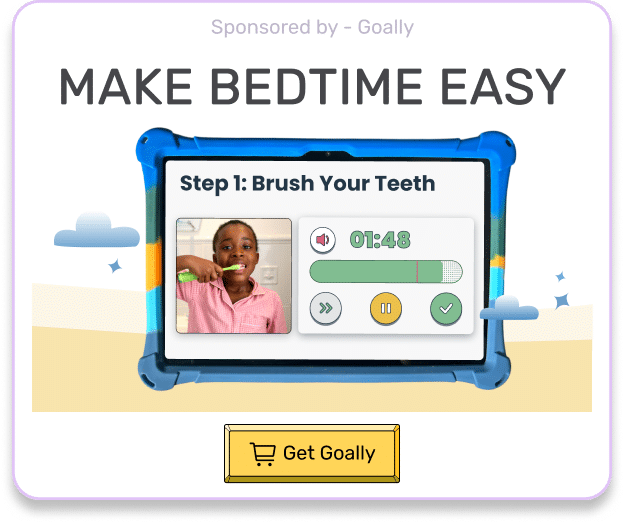
Customize visual schedules that teach kids independence. No more nagging, no more stress.
5. Wiping Down Tables
Why It’s Great: Let’s be real: life is messy. Teaching your child to clean up after themselves is a lesson that pays dividends.
- How to Make It Fun: Use an eco-friendly, safe cleaner and let them spray the table. Kids love squirting bottles—trust us.
- Tools: Non-toxic cleaning spray and a cloth.
6. Organizing Bookshelves
Why It’s Great: For instance, it’s a less obvious chore, but it helps with literacy and respect for belongings.
- How to Make It Fun: Allow them to arrange books by color, size, or even mood. Yes, moods!
- Tools: Just the books and the shelf.

Read more: Top 3 Daily Chores for Kids
7. Watering Plants
Why It’s Great: Most importantly, it teaches life cycles and the joy of nurturing something from scratch.
- How to Make It Fun: Give them their own watering can and let them be the “Plant Guardian.”
- Tools: Small watering can, perhaps one with fun designs.
Goally | Routines that Actually Work
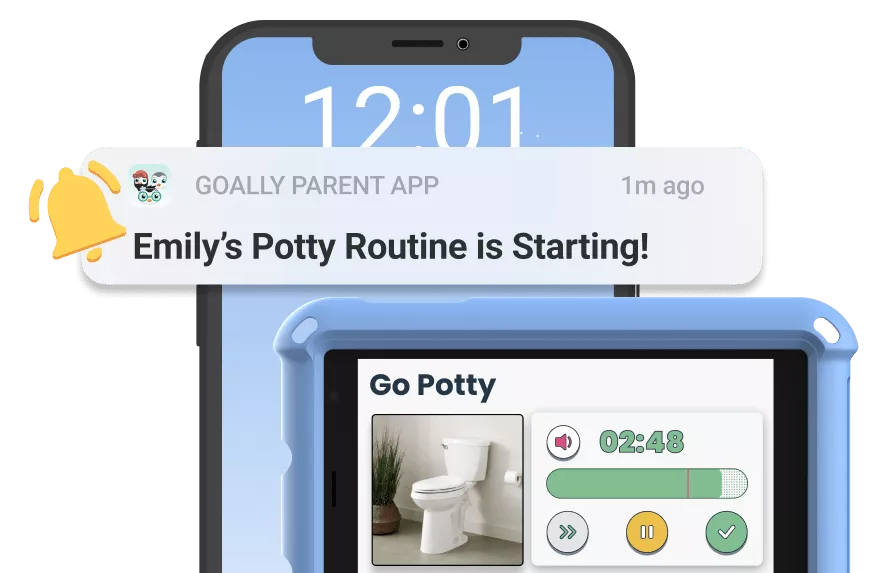
Goally’s skill building tablet for kids has routines that break down large tasks into small, achievable steps. It helps kids complete their tasks independently!
Create custom routines with your own videos & pictures for every step. The steps come in small, bite-sized pieces to help your child learn the little fundamentals (like putting the toothpaste on their toothbrush!) to achieve bigger goals. And that’s just the beginning. See it in action:
So you’ve got the lowdown on our list of chores. Your kid doesn’t need to be a mini-adult to participate in household responsibilities. Chores can be adapted, modified, and made fun, especially for kids with thinking and learning differences. It’s not about the chore; it’s about the skills and confidence they gain while doing it. Similarly, as you get creative with these chores, you’ll find your kiddo not just doing them but owning their own routines. Now, how empowering is that?
FAQ’s About Chores
What are some age-appropriate chores for kids?
Age-appropriate chores for kids include tasks like making their bed, setting the table, and sorting laundry.

How can chores help kids develop responsibility?
Chores teach kids responsibility by giving them regular tasks that contribute to the household, building their sense of duty and independence.

How do you make chores fun for kids?
Make chores fun by turning them into games, using reward systems, or doing them together as a family activity.

What are some chores that promote independence?
Chores like preparing simple meals, organizing their toys, and managing their personal hygiene promote independence.

How can visual schedules help with chore assignments?
Visual schedules help by providing a clear, visual reminder of tasks, making it easier for kids to understand and complete their chores.
This post was originally published on 09/18/2023. It was updated on 06/01/2024.

Emily is a seasoned blog writer for Goally, leveraging her extensive background in child psychology and special education to provide valuable insights and resources for parents. Her commitment to understanding and addressing the unique needs of these children, combined with her expertise in educational strategies, makes her a credible and empathetic voice for families.