As someone who works closely with kids daily, I’ve often encountered parents concerned about their child’s behavior, particularly when it involves unusual habits like licking things. Understanding why kids might engage in such behavior is crucial, especially when considering the question: Is licking things a sign of autism? This behavior can be a normal part of exploration or indicate sensory processing issues. In this blog, I’ll explore the various reasons behind this behavior, what it might signify, and when it could be related to autism. Understanding these factors is important because it can guide you in seeking your child’s right support and interventions.
Table of Contents
Understanding Sensory Behaviors
Kids explore their world through their senses. For many, licking objects is a way to experience different textures and tastes. This sensory-seeking behavior is common and not always a cause for concern. However, it might be worth a closer look when it persists or is paired with other behaviors.
Sensory processing disorder (SPD) often accompanies autism, but not exclusively. Kids with SPD might seek out intense sensory experiences, like licking, to satisfy their sensory needs. Recognizing this can help in understanding your child’s behavior better.
Signs and Symptoms of Autism
Autism Spectrum Disorder (ASD) is characterized by challenges with social skills, repetitive behaviors, and communication difficulties. While sensory behaviors like licking can be a part of ASD, they are not definitive indicators on their own.
Other signs of autism include limited eye contact, difficulty understanding social cues, and a preference for routines. If licking is observed alongside these behaviors, it might be a sign to consult a healthcare professional for a comprehensive evaluation.
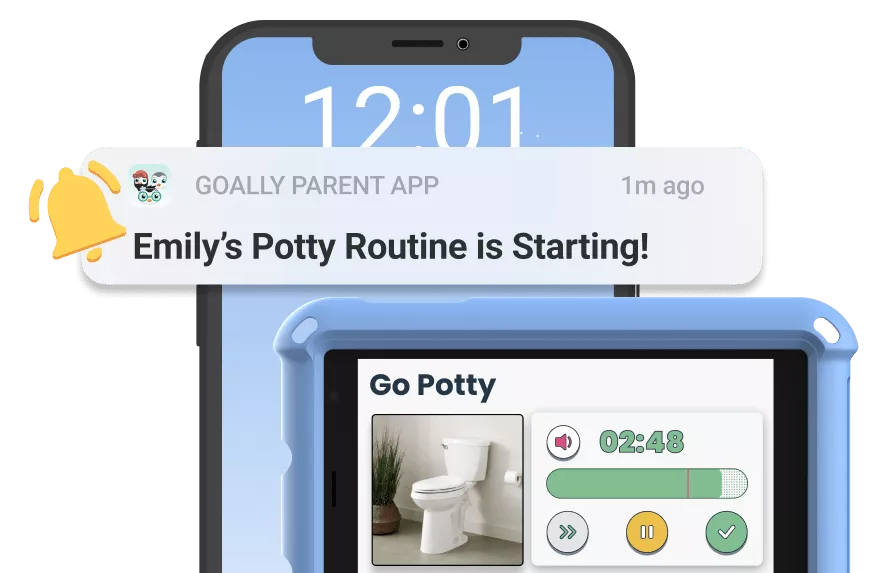
Goally | The Tablet for Neurodiverse Kids

Developmental Milestones and Licking Behavior
It’s important to consider developmental stages when evaluating behaviors. For toddlers, mouthing objects is a natural part of development. They use their mouths to explore and understand their environment.
As kids grow, they typically outgrow this behavior. Persistent licking beyond the toddler years, especially if it interferes with daily life or social interactions, might indicate an underlying issue that needs addressing.
When to Seek Professional Help
If you’re concerned about your child’s licking behavior, especially if it is excessive or accompanied by other signs of autism, seeking professional help is advisable. A pediatrician or child psychologist can conduct evaluations to determine if there are underlying sensory or developmental issues.
Early intervention is key in addressing any developmental delays or sensory processing issues. Professional guidance can provide you with strategies to support your child’s needs.

Read more: Autism Comfort Objects for Kids
Practical Strategies for Parents
Here are some practical strategies you can use to manage and understand your child’s licking behavior:
- Provide Alternative Sensory Input: Offer safe objects for your child to chew on, such as sensory chew toys.
- Create a Sensory Diet: Work with an occupational therapist to develop a sensory diet that meets your child’s needs.
- Encourage Oral Hygiene: Teach your child about the importance of oral hygiene and provide regular reminders.
- Monitor and Redirect: Gently redirect your child from licking objects to more appropriate behaviors.
Supporting Sensory Needs at Home
Creating a sensory-friendly environment at home can help manage your child’s sensory needs. Here are some tips:
- Set Up a Sensory Corner: Designate a space with sensory toys and activities.
- Use Visual Schedules: Implement visual schedules to provide structure and predictability.
- Incorporate Calming Activities: Include activities like deep pressure exercises or weighted blankets to help your child regulate their sensory input.
Engaging Professional Support
Engaging with professionals can provide tailored support for your child’s needs. Consider these options:
- Occupational Therapy: An occupational therapist can develop personalized strategies to address sensory behaviors.
- Behavioral Therapy: Behavioral therapists can help modify behaviors and teach coping skills.
- Speech Therapy: For children with communication challenges, speech therapy can be beneficial.
Understanding and Accepting Your Child’s Needs
It is crucial to understand your child’s unique needs and accept their behaviors. Every child is different, and what works for one might not work for another. Patience and empathy go a long way in supporting your child’s development.
Celebrate small victories and progress, no matter how minor they might seem. Building a supportive and understanding environment helps your child feel safe and valued.
Goally | Visual Scheduler for Autism
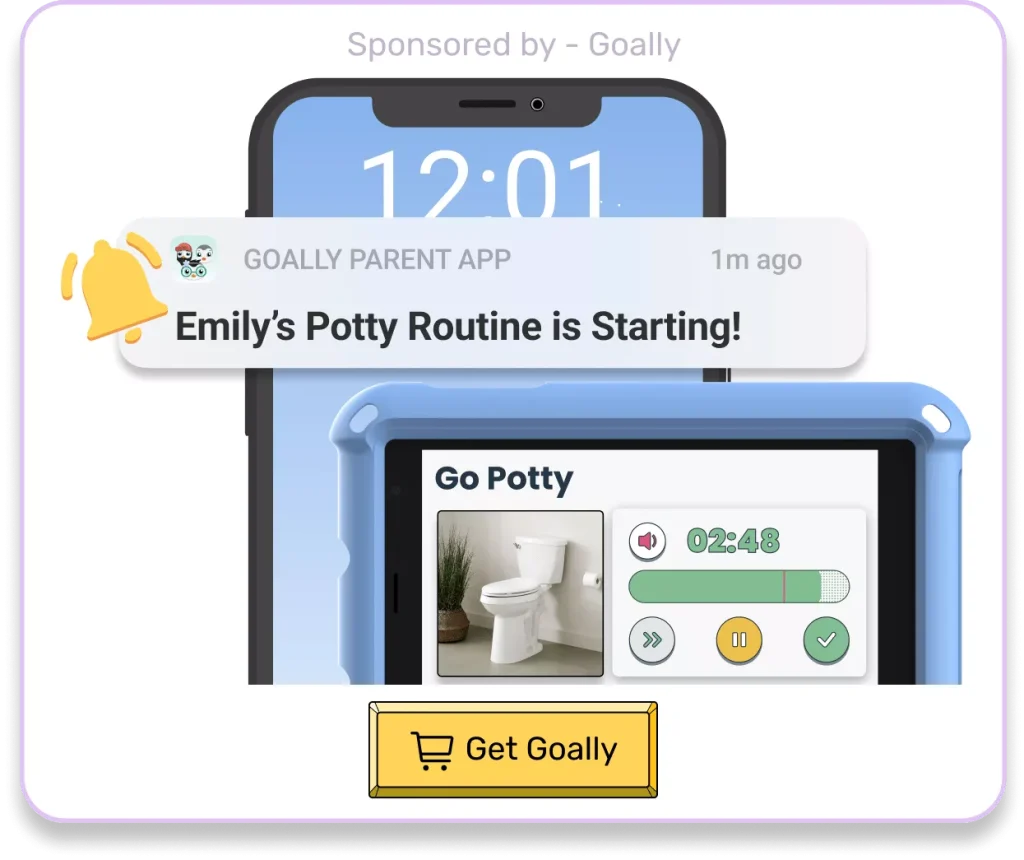
Does your child struggle with getting ready in the morning independently? Goally’s routine app on the best tablet for kids breaks down large tasks into small, achievable steps for autistic kids. Create custom routines with your own videos & pictures for every step.
Determining if licking things is a sign of autism involves understanding various factors, from sensory needs to developmental milestones. You can better support your child’s unique needs by being observant and seeking professional advice when necessary. Remember, each child is different, and understanding their behaviors is key to providing the best care possible.
Helpful Resources
FAQ’s About Is Licking Things a Sign of Autism
Is licking things a sign of autism?
Licking things can be a sign of sensory processing issues, which are common in kids with autism, but it's not a definitive indicator on its own.

Why do kids with autism lick objects?
Kids with autism might lick objects to fulfill sensory needs, seeking various textures and tastes as part of their sensory processing behavior.

When should parents be concerned about their child licking things?
Parents should be concerned if the licking behavior persists beyond the toddler years, disrupts daily activities, or is accompanied by other signs of autism.

How can sensory behaviors like licking be managed?
Sensory behaviors like licking can be managed by providing alternative sensory input, creating a sensory-friendly environment, and seeking professional support from therapists.

What other signs of autism should parents look for?
Other signs of autism include limited eye contact, difficulty understanding social cues, repetitive behaviors, and a strong preference for routines.

Emily is a seasoned blog writer for Goally, leveraging her extensive background in child psychology and special education to provide valuable insights and resources for parents. Her commitment to understanding and addressing the unique needs of these children, combined with her expertise in educational strategies, makes her a credible and empathetic voice for families.