As someone who works with kids, I know how vital it is to understand their emotional world for their growth and well-being. Recognizing the signs of an anxious-avoidant attachment style can empower you to better support your child, whether they’re neurodivergent or neurotypical. In this post, I’ll uncover three key indicators of this attachment style, offering tangible examples and practical advice to strengthen your bond with your child.
Table of Contents
1. Trust Issues: The Struggle to Rely on Others
One clear sign of an anxious avoidant attachment style in kids is their difficulty trusting others. This struggle can show up in various ways, making it challenging for them to form close relationships. For instance, they might be hesitant to share their thoughts and feelings or resist accepting help from others.

Read more: How to Help an Anxious Child
To support your child in building trust, consider these tips:
- Create a safe and supportive environment for open communication
- Validate their feelings and experiences
- Encourage them to share their thoughts and emotions
Goally can be a valuable ally in this process, providing structure and consistency that can help your child feel more secure and confident.
2. Anxiety and Fear of Rejection: The Emotional Rollercoaster
Kids with an anxious avoidant attachment style often experience heightened anxiety and a constant fear of rejection. This can lead to a range of behaviors, such as excessive clinginess, overreacting to perceived slights, or avoiding situations that may result in rejection.
As a parent, it’s essential to acknowledge and validate your child’s fears while also helping them develop coping strategies for managing anxiety.
Here are some ideas to consider:
- Practice deep breathing exercises together
- Create a “worry box” where they can write down their concerns and let them go
- Encourage them to face their fears in small, manageable steps

Read more: What is Emotional Attachment in Kids?
Goally’s learning tablet can also provide support by offering personalized routines and activities to help your kid feel more in control of their environment.
3. Emotional Detachment: The Wall Around Their Heart
Another indicator of an anxious avoidant attachment style is emotional detachment and discomfort with intimacy. This can manifest through difficulty expressing emotions, withdrawing from close relationships, or creating emotional barriers to avoid vulnerability.
To help your child overcome these challenges, consider the following strategies:
- Encourage them to express their emotions through creative outlets like drawing or writing
- Engage in activities that promote emotional connection, such as family game nights or shared hobbies
- Model healthy emotional expression and vulnerability
Goally’s apps can provide a safe space for your child to explore their emotions and develop social skills through interactive games and activities, making it easier for your kid to connect with others.
Tired of Emotional Meltdowns?
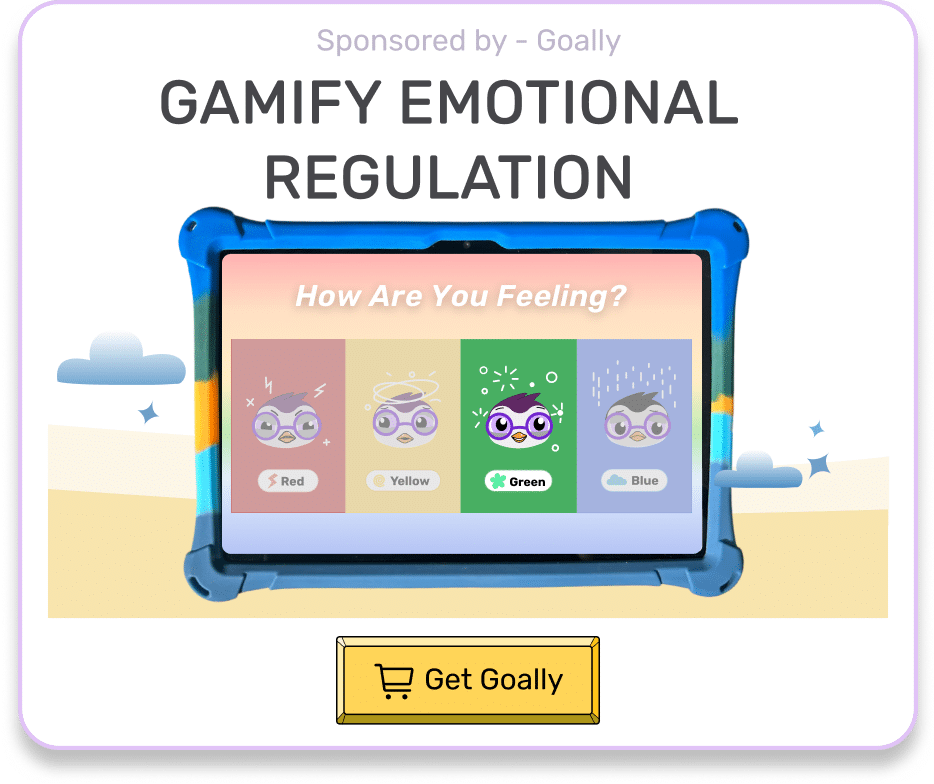
Goally’s Mood Tuner app has activities for kids with BIG emotions. Teach kids how to tune their mood with Goally. See fewer meltdowns.
The Mood Tuner app encourages kids to look inwards and identify their feelings, helping them understand what’s going on inside. Once they’ve recognized their emotions, they can choose from a 20+ activities designed to help them self-regulate and find their balance.

Wrapping Up: Nurturing Your Child’s Emotional Growth
Recognize signs of anxious-avoidant attachment to strengthen emotional bond with your child. By recognizing these signs and implementing supportive strategies, you can help your child develop a more secure attachment style. Remember, Goally is here to support you and your child on this journey, offering tools and resources to assist you in navigating the complexities of emotional growth. Together, we can create a better future for your child.
FAQs About Anxious Avoidant Attachment Style
What is anxious avoidant attachment style?
Anxious avoidant attachment style refers to an insecure attachment where individuals avoid closeness and emotional connection, often due to fear of rejection or feelings of unworthiness.
How can an anxious avoidant attachment style impact a child's learning process?
This attachment style can impact a child's learning by causing them to withdraw, lack confidence, or struggle with focus and engagement due to heightened anxiety or fear.
Can visual schedules assist children with anxious avoidant attachment style?
Visual schedules can help these children by providing predictable routines, enhancing their sense of security, and reducing anxiety around transitions or unknown activities.
How can emotional regulation apps help children with anxious avoidant attachment?
Emotional regulation apps can provide tools and exercises that teach children to identify, understand, and manage their emotions, helping to reduce anxiety and build resilience.
Are rewards effective for children with anxious-avoidant attachment styles?
Rewards can effectively encourage positive behavior and build self-esteem in children with this attachment style. However, ensuring the rewards reinforce emotional connection and not just task completion is crucial.
This post was originally published on 05/10/2023. It was updated on 06/20/2024.

Emily is a seasoned blog writer for Goally, leveraging her extensive background in child psychology and special education to provide valuable insights and resources for parents. Her commitment to understanding and addressing the unique needs of these children, combined with her expertise in educational strategies, makes her a credible and empathetic voice for families.