Working with kids daily is a joy when I can help them overcome challenges. One common challenge I see is dyslexia. Dyslexia affects how kids read, write, and spell, making school and daily tasks harder. Early testing for dyslexia can make a big difference in a child’s life. This blog will guide you through the steps to test for dyslexia in kids, making the process clear and manageable.
Table of Contents
Step 1: Observe Your Child’s Behavior
The first step in testing for dyslexia is observing your child’s behavior. Are they struggling with reading or writing? Do they avoid reading out loud? These could be signs of dyslexia.
Look for these common indicators:
- Difficulty reading: Your child might read below their grade level.
- Writing challenges: They might have trouble spelling or forming letters correctly.
- Slow reading: They may read slower than their peers.
Step 2: Talk to Your Child’s Teacher
Teachers are often the first to notice signs of dyslexia. Schedule a meeting with your child’s teacher to discuss your concerns. They can provide valuable insights into your child’s reading and writing abilities in a school setting.
Ask about:
- Reading assessments: What are the results of your child’s reading tests?
- Classroom observations: Has the teacher noticed any struggles with reading or writing?

Step 3: Consult a Specialist
If you and the teacher suspect dyslexia, the next step is to consult a specialist. A psychologist or a learning specialist can perform a comprehensive evaluation to diagnose dyslexia.
The evaluation may include:
- Reading tests: These tests measure your child’s reading level and skills.
- Psychological assessments: These tests assess your child’s cognitive abilities.
Step 4: Review the Results
After the evaluation, the specialist will review the results with you. They will explain if your child has dyslexia and what that means for their learning.
Key points to discuss:
- Diagnosis: Understanding the results and what they mean.
- Next steps: Creating a plan to support your child’s learning needs.
Step 5: Create a Support Plan
Once you have a diagnosis, it’s time to create a support plan. This plan should involve strategies to help your child succeed in school and daily life.
Consider:
- Individualized Education Plan (IEP): Work with your child’s school to create an IEP that addresses their specific needs.
- Reading interventions: Implement reading programs that are designed for kids with dyslexia.

Step 6: Monitor Progress
Regularly monitor your child’s progress. Stay in touch with teachers and specialists to ensure the support plan works.
Key actions:
- Regular check-ins: Meet with teachers and specialists to discuss progress.
- Adjustments: Make changes to the support plan as needed.
Step 7: Provide Emotional Support
Kids with dyslexia may feel frustrated or embarrassed about their struggles. Providing emotional support is crucial.
Support tips:
- Encouragement: Praise their efforts and celebrate their successes.
- Understanding: Be patient and understanding of their challenges.
Goally | Apps To Support Child Development
Looking for fun ways to help your child learn life skills? Try Goally! The Goally tablet comes with award-winning learning apps and video classes to help kids develop the skills they need to become independent with FUN & evidence-based practices.
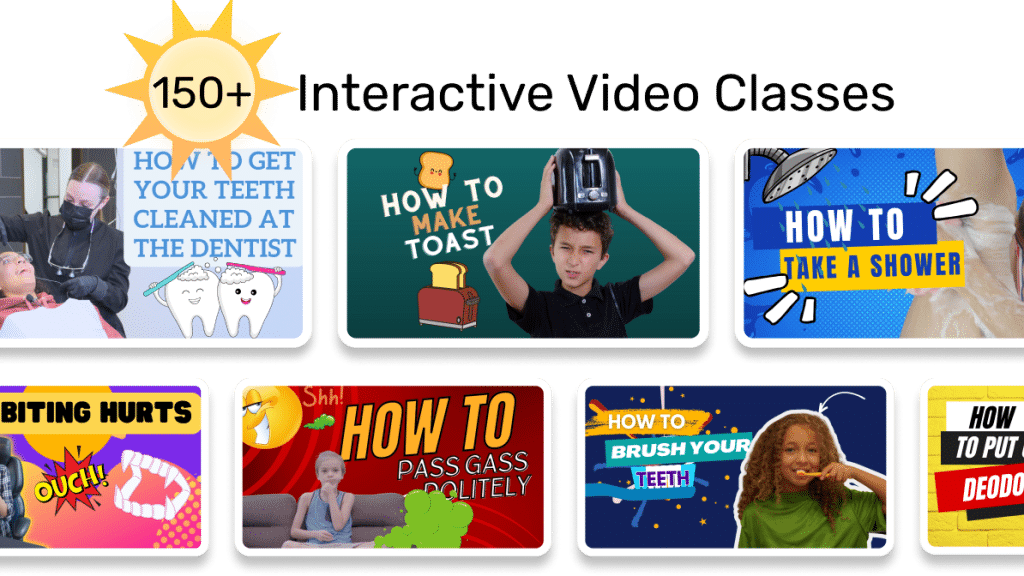
Our apps teach executive function, language, emotional regulation, finger dexterity skills, and more.
As your child develops new skills, you can increase the difficulty level of the tasks in the app to challenge and motivate them even further. This helps your child grow and progress at their own pace, while also keeping them engaged and excited about their development.
Following these steps can help your child manage dyslexia and thrive in school and beyond. Testing early and providing the proper support greatly affects their educational journey.
Helpful Resources
FAQ’s About How to Test for Dyslexia
What are the common signs of dyslexia in kids?
Common signs of dyslexia in kids include difficulty reading, writing, and spelling.

How can a teacher help identify dyslexia in a child?
A teacher can help identify dyslexia by observing a child's reading and writing difficulties and suggesting further evaluation.

What steps should parents take if they suspect their child has dyslexia?
If parents suspect dyslexia, they should talk to their child's teacher and consult a specialist for an evaluation.

What kind of specialist diagnoses dyslexia in kids?
A psychologist or learning specialist typically diagnoses dyslexia in kids.

What kind of support can help a child with dyslexia?
Support for a child with dyslexia includes an Individualized Education Plan (IEP) and specialized reading interventions.

Emily is a seasoned blog writer for Goally, leveraging her extensive background in child psychology and special education to provide valuable insights and resources for parents. Her commitment to understanding and addressing the unique needs of these children, combined with her expertise in educational strategies, makes her a credible and empathetic voice for families.