Summer is just around the corner. As a licensed practitioner who works with kids, I know how important it is to keep them engaged and entertained during their break from school. Whether you’re a parent of a typically developing child or a neurodivergent kid, finding fun activities that cater to their unique needs and interests can be challenging. But don’t worry, I’ve got you covered! In this blog post, I’ll share 10 exciting and memorable things you can do with your kids this summer, no matter their age or abilities.
Table of Contents
1. Explore the Great Outdoors
One of the best ways to spend the summer with your kids is by getting outside and enjoying nature. Plan a family hike on a local trail, go camping in your backyard, or visit a nearby park for a picnic. Outdoor activities provide a change of scenery and offer numerous benefits for your child’s physical and mental well-being. According to a study by the American Academy of Pediatrics, kids who spend more time outside have lower rates of obesity, better motor skills, and improved mental health.
2. Make a Splash at a Water Park
When the temperatures soar, there’s nothing quite like a day at a water park. Many water parks offer special accommodations for kids with disabilities, such as wheelchair-accessible pools and sensory-friendly areas. Before you go, call ahead to inquire about their policies and amenities. And remember the sunscreen and water shoes!

Read more: Summer Morning Routine for Kids
3. Get Creative with Art Projects
Summer is perfect for letting your child’s creativity shine. Set up an art station in your backyard or living room and provide various materials, such as paint, markers, clay, and fabric. Please encourage your child to express themselves through art and display their masterpieces proudly. You can even turn it into a family activity by working on a collaborative project, like a mural or a scrapbook.
4. Have a Family Game Night
When the weather isn’t cooperating, or you want to stay in, having a family game night is a great way to bond and have fun. Choose games that are age-appropriate and accessible for your child’s abilities; these are some fun things to do in the summer. Some of my favorites include:
- Charades
- Pictionary
- Bingo
- Memory
You can also create games using household items or printable templates found online.
Goally | Fun Games that Build Motor Skills & Manage Screen Time
Looking for ways to improve your child’s finger dexterity skills while also keeping screen time manageable? Try Goally’s skill building tablet for kids— it has a bunch of fun & motor planning games!

Our “Balloons” & Graffiti Street Apps are all about building motor skills in a fun, interactive way. Kids learn to “pop the balloons” or draw dozens of digital art designs while simultaneously developing the essential skills needed to use AAC and other communication tools. It’s a blast for them and a win for you!
5. Attend a Summer Camp
Summer camps are a fantastic way for kids to make new friends, learn new skills, and gain independence. Many camps offer specialized programs for kids with disabilities, such as autism or ADHD. Research camps in your area and find one that aligns with your child’s interests and needs. Some popular options include:
| Type of Camp | Examples |
|---|---|
| Arts and Crafts | Painting, ceramics, woodworking |
| Sports | Basketball, soccer, swimming |
| Science and Technology | Robotics, coding, astronomy |
| Nature and Adventure | Hiking, camping, horseback riding |
6. Visit a Local Farm or Petting Zoo
Animal lovers will enjoy a trip to a local farm or petting zoo. Many farms offer tours and interactive experiences, such as feeding the animals or milking a cow. Petting zoos are an excellent way for kids to get up close and personal with friendly creatures like rabbits, goats, and llamas. Just be sure to wash your hands thoroughly afterward!

Read more: Making a Great Summer Schedule for Kids
7. Go on a Scavenger Hunt
Scavenger hunts are a fun and engaging way to explore your neighborhood or a nearby park. Create a list of items for your child to find, such as a red leaf, a smooth rock, or a bird feather. You can also incorporate educational elements, like identifying different types of plants or insects. Scavenger hunts promote problem-solving skills, attention to detail, and physical activity. Read on for more fun things to do in the summer.
8. Have a Backyard Campfire
There’s something magical about gathering around a campfire on a summer evening. Set up a fire pit in your backyard (following safety guidelines) and roast marshmallows, tell stories, and stargaze. You can even turn it into an overnight adventure by pitching a tent and sleeping under the stars.
9. Volunteer in Your Community
Summer is a great time to teach your child about giving back to the community. Look for age-appropriate volunteer opportunities, such as helping at a local animal shelter, participating in a beach cleanup, or delivering meals to seniors. Volunteering instills values of compassion and responsibility and helps your child develop social skills and a sense of purpose.
10. Have a Family Movie Night
Sometimes, the best summer memories are in your living room. Host a family movie night with popcorn, cozy blankets, and your child’s favorite films. You can even theme your movie night around a specific genre, actor, or decade. Remember to discuss the movie afterward and share your favorite parts!
SPONSORED BY: Goally
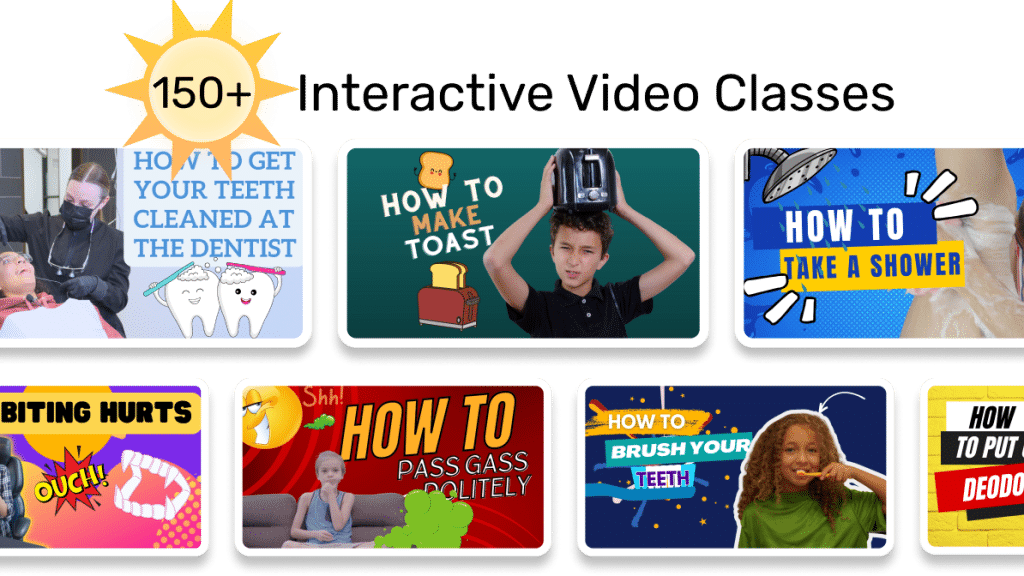
Goally’s Kid’s Tablet has one of the largest libraries of skill-building videos (like “How to Share” and “What To Do When You’re Lost”) in the Goal Mine app.👇
No matter what activities you choose to do with your kids this summer, the most important thing is to have fun and create lasting memories together. Whether your child is typically developing or has special needs, there are plenty of ways to adapt and modify activities to suit their abilities and interests. So get out there, soak up the sun, and enjoy the magic of summer with your family!
Helpful Resources
- Parents.com
- Understood.org
- VeryWellFamily.com
FAQ’s About Fun Things to Do in the Summer
What are some fun outdoor activities to do with kids in the summer?
Some fun outdoor activities to do with kids in the summer include going to the beach, having a picnic in the park, exploring nature trails, and visiting a local farm or petting zoo. Water play activities like running through sprinklers or having a water balloon fight are also great options.

Are there any educational summer activities for kids?
Yes, there are many educational summer activities for kids, such as attending science or art camps, participating in library reading programs, visiting museums, and exploring local historical sites. Engaging in fun, hands-on learning experiences can help prevent the "summer slide" and keep kids' minds active.

How can I keep my kids entertained on a rainy summer day?
On a rainy summer day, you can keep your kids entertained by organizing indoor activities like family game nights, movie marathons, or craft projects. Cooking or baking together, building blanket forts, and having indoor scavenger hunts are also fun ways to spend time together.

What are some budget-friendly summer activities for families?
Some budget-friendly summer activities for families include visiting free local events like concerts or festivals, having a backyard campfire or campout, organizing a neighborhood bike parade, and exploring nearby state parks or nature reserves. Many communities also offer free or low-cost summer programs for kids.

How can I make sure my child with special needs enjoys summer activities?
To ensure your child with special needs enjoys summer activities, consider their unique interests and sensory preferences when planning outings. Prepare them for new experiences by using visual schedules or social stories, and don't hesitate to reach out to event organizers or venues to inquire about accommodations. Remember to be flexible and have a backup plan in case your child becomes overwhelmed.

Emily is a seasoned blog writer for Goally, leveraging her extensive background in child psychology and special education to provide valuable insights and resources for parents. Her commitment to understanding and addressing the unique needs of these children, combined with her expertise in educational strategies, makes her a credible and empathetic voice for families.