Working closely with children has shown me how essential it is to create a summer schedule that keeps young minds active and engaged. In this guide, I’ll offer practical strategies to craft a summer routine tailored to your neurodivergent child’s specific needs. You’ll learn how to balance stimulating activities with necessary downtime, set achievable goals, and foster opportunities for personal growth. This summer can be both enjoyable and enriching for your child, filled with memorable experiences and developmental milestones.
Table of Contents
Step 1: Set Goals for the Summer
Identify Your Child’s Needs and Interests
Before diving into the schedule, take a moment to determine what you want your child to achieve during the summer months. For example, you might want to focus on improving social skills, mastering a new hobby, or maintaining academic progress. Having clear goals will help you tailor the summer schedule to your child’s unique needs and interests.
Set SMART Goals
When setting goals, make sure they are Specific, Measurable, Achievable, Relevant, and Time-bound (SMART). This will help you track your child’s progress and make adjustments as needed. Remember, the summer schedule for kids should be both challenging and enjoyable, so keep your child’s abilities and interests in mind when setting goals.
Step 2: Establish a Routine
Create Consistency
Consistency is critical for kids with thinking and learning differences. Start by setting regular wake-up and bedtime hours, as well as meal times. Moreover, designate specific times for learning activities, playtime, and relaxation. This structure will provide a sense of stability and predictability for your child.

Read more: Summer Morning Routine for Kids

Goally | Best Videos to Teach Life Skills
Give your kid an independent future. Goally has 100+ video classes teaching life skills like “How to Choose a Restaurant,” “How to Interrupt Politely,” and “How to Get Ready for School.”
Goally takes kids on an adventure that includes interactive practice and checkpoints along the way! No web browsers, YouTube, or social media.
Use Visual Aids
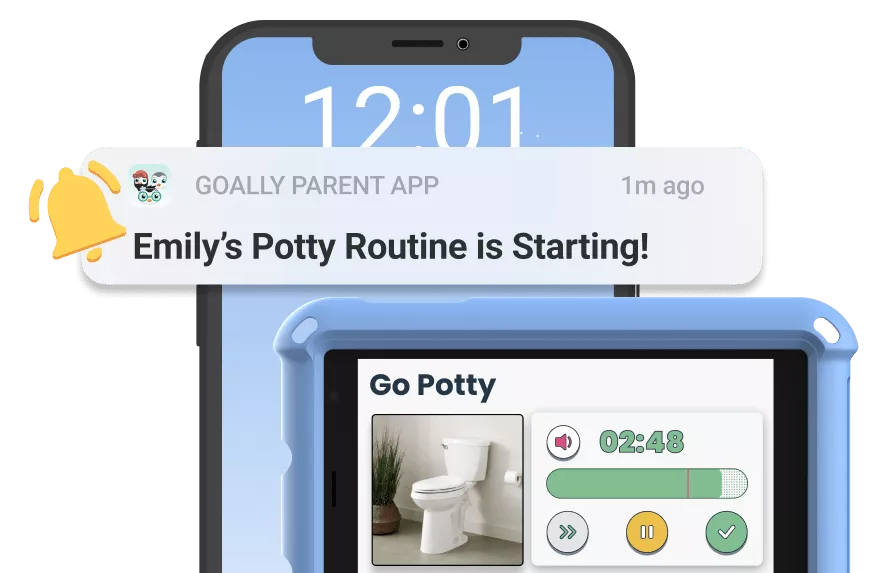
Visual aids, like a colorful calendar or a Goally device, can help your child understand and follow their summer schedule more easily. Display the schedule in a prominent place and review it together daily to reinforce the routine.
Step 3: Mix Learning and Fun
Balance is Key
Incorporate a balance of educational and recreational activities into your child’s summer schedule. For instance, you could include reading time, math games, or science experiments alongside outdoor play, arts and crafts, or sports. Above all, ensure that the activities align with your child’s interests and goals, making learning enjoyable and engaging.
Activity Ideas
- Visit local museums or zoos
- Explore nature through hikes or scavenger hunts
- Try cooking or baking together
- Participate in community events or workshops
Step 4: Plan Social Opportunities
Importance of Social Interaction
Social interaction is essential for neurodivergent kids, so be sure to include opportunities for your child to connect with others. This could involve playdates, group classes, or community events. Meanwhile, consider enrolling your child in a summer camp tailored to their needs, where they can make new friends and develop social skills in a supportive environment.
Use Technology to Stay Connected
In today’s digital age, technology can play a significant role in helping your child stay connected with friends and family. Schedule virtual playdates or use apps like Goally to help your child maintain social connections and practice communication skills.

Read More: How to Regulate Emotions
Step 5: Schedule Downtime
Importance of Rest and Relaxation
It’s essential to allow time for relaxation and self-care in your child’s summer schedule. After all, everyone needs a break to recharge. Plan for quiet activities, such as listening to music, drawing, or watching a favorite movie. Likewise, encourage your child to practice mindfulness or deep breathing exercises to help them unwind and manage stress.
Establish Boundaries
Set boundaries for screen time and other passive activities, ensuring that your child has ample opportunity for rest and relaxation without becoming overly reliant on screens.
Step 6: Be Flexible and Adapt
Adjust the Schedule as Needed
While maintaining a routine is important, it’s also essential to remain flexible and adapt the schedule as needed. For example, if your child shows a strong interest in a particular activity, consider extending the time allocated to it. Similarly, if an activity isn’t working, don’t hesitate to make adjustments or try something new.
Keep Communication Open
Regularly check in with your child to discuss how the summer schedule is working for them. This open communication will help you make any necessary adjustments and ensure that your child feels heard and supported.
Step 7: Involve Your Child in the Planning Process
Encourage Ownership and Responsibility
Lastly, involve your child in creating their summer schedule. This will help them feel a sense of ownership and responsibility, increasing their motivation to participate in the planned activities. Ask for their input on what they’d like to do, and work together to create a schedule that meets their needs and interests.
Review and Revise Together
As the summer progresses, review the schedule with your child and make any necessary revisions. This collaborative approach will help your child feel more invested in their summer activities and promote a sense of accomplishment.
Goally | Apps To Support Child Development
Looking for fun ways to help your child learn life skills? Try Goally! The Goally tablet comes with award-winning learning apps and video classes to help kids develop the skills they need to become independent with FUN & evidence-based practices.

Our apps teach executive function, language, emotional regulation, finger dexterity skills, and more.
As your child develops new skills, you can increase the difficulty level of the tasks in the app to challenge and motivate them even further. This helps your child grow and progress at their own pace, while also keeping them engaged and excited about their development.

In short, crafting a well-rounded summer schedule for kids with thinking and learning differences is all about balance, flexibility, and keeping your child’s unique needs in mind. By following these steps, you’ll be well on your way to creating a summer filled with growth, learning, and fun for your neurodivergent child. So, grab your calendar, gather your child’s input, and start planning for an unforgettable summer!
Helpful Resources
FAQ’s About Summer Schedule for Kids
What is a good summer schedule for kids?
A good summer schedule for kids includes a balance of structured activities and free play time.

How can visual schedules benefit kids during summer?
Visual schedules help kids understand their daily routine and reduce anxiety about what's next.

What activities should be included in a summer schedule for kids?
Include a mix of educational activities, outdoor play, creative time, and relaxation.

How do rewards help in maintaining a summer schedule for kids?
Rewards motivate kids to follow the schedule and complete tasks enthusiastically.

Why are emotional regulation apps useful during summer?
Emotional regulation apps help kids manage their emotions and stay calm throughout the day.
This post was originally published on 05/18/2023. It was updated on 08/07/2024.

Emily is a seasoned blog writer for Goally, leveraging her extensive background in child psychology and special education to provide valuable insights and resources for parents. Her commitment to understanding and addressing the unique needs of these children, combined with her expertise in educational strategies, makes her a credible and empathetic voice for families.