Working with teens, I’ve seen the tremendous impact that mental health activities can have on their overall well-being. These activities are crucial for helping them manage stress, build resilience, and develop healthy coping strategies. In this blog, I’ll share a comprehensive list of mental health activities for teens that are both engaging and effective. Whether your teen is neurotypical or has special needs, these activities can make a significant difference in their lives.
Table of Contents
1. Mindfulness Meditation
Mindfulness meditation helps teens stay present and manage their thoughts and emotions. Start with short, guided sessions and gradually increase the duration as your teen becomes more comfortable. Apps like Headspace and Calm offer teen-friendly meditations.
Research shows mindfulness can reduce anxiety and improve adolescent attention spans. Encourage your teen to practice regularly for the best results.
2. Journaling
Journaling allows teens to process their thoughts and emotions. Give your teen a journal and encourage them to write about their day, feelings, and experiences. This can help them gain insight into their emotions and develop self-awareness.
Studies have found that journaling can improve emotional regulation and reduce stress. Make journaling a regular part of your teen’s routine.
Goally | The Tablet for Neurodiverse Kids
3. Physical Activity
Regular physical activity is essential for maintaining good mental health. Exercise releases endorphins, which boost mood and reduce stress. Encourage your teen to engage in activities they enjoy, such as running, dancing, or team sports.
According to the CDC, adolescents should get at least 60 minutes of physical activity daily. This benefits both their physical and emotional well-being.
4. Creative Arts
Creative arts like drawing, painting, or crafting can be therapeutic for teens. These activities allow them to express their emotions and thoughts nonverbally. Please set up a designated art space at home where your teen can freely explore their creativity.
Art therapy has been shown to reduce symptoms of anxiety and depression. Encourage your teen to use art to express their feelings and experiences.
5. Deep Breathing Exercises
Deep breathing exercises are a simple way to help teens calm down and manage stress. Teach your teen to take slow, deep breaths, filling their lungs completely and then exhaling fully. This practice can be beneficial during moments of anxiety or frustration.
One popular technique is the “4-7-8 breathing exercise,” which helps teens focus on breathing and relax. Encourage your teen to practice deep breathing regularly.
6. Reading
Reading can be a calming and engaging activity that supports mental health. Choose books that address emotions, challenges, and coping strategies. Discuss the stories and characters with your teen to help them understand and relate to different experiences.
Books like “The Perks of Being a Wallflower” by Stephen Chbosky and “Turtles All the Way Down” by John Green are great options for discussing emotions with teens. Regular reading time can foster a sense of understanding and empathy.
7. Nature Walks
Spending time in nature has been proven to reduce stress and improve mood. Take your teen on regular nature walks to help them connect with the natural world. This can be a great opportunity for mindfulness and relaxation.
Encourage your teen to observe their surroundings, listen to the sounds of nature, and take deep breaths of fresh air. Nature walks can be a simple yet powerful way to support your teen’s mental health.

Read more: Anxiety Coping Skills for Teens | Parent Guide
8. Yoga
Yoga combines physical activity with mindfulness, making it an excellent mental health activity for teens. Yoga poses and breathing exercises can help teens develop strength, flexibility, and relaxation skills.
many teen-friendly yoga resources are available, such as Yoga with Adriene on YouTube. Practicing yoga regularly can improve your teen’s overall well-being and emotional balance.
9. Positive Affirmations
Positive affirmations are short, encouraging statements that teens can repeat to themselves to build confidence and self-esteem. Teach your teen to use affirmations like “I am strong,” “I am capable,” and “I can handle this.”
Incorporate affirmations into your teen’s daily routine, such as during morning routines or before bedtime. This practice can help them develop a positive mindset and resilience.
10. Volunteering
Volunteering can provide a sense of purpose and improve mental health. Encourage your teen to get involved in community service or volunteer work that interests them. This can help them build connections and develop empathy for others.
Volunteering has been shown to reduce symptoms of depression and increase feelings of happiness. Find local opportunities that align with your teen’s interests and passions.
Tired of Emotional Meltdowns?
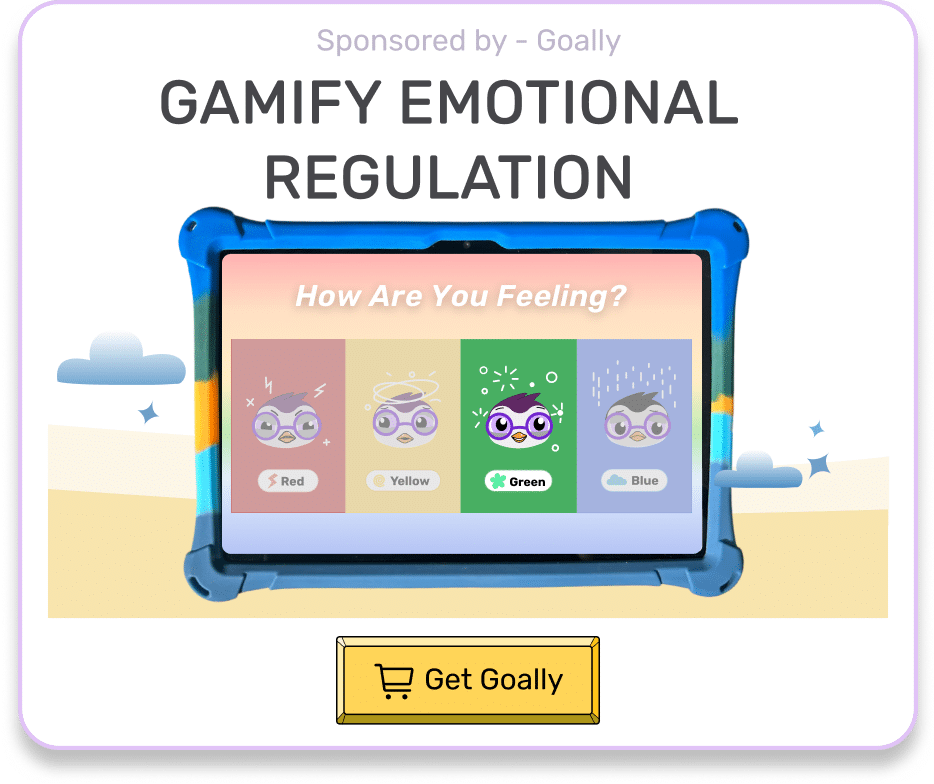
Goally’s Mood Tuner app has activities for kids with BIG emotions. Teach kids how to tune their mood with Goally. See fewer meltdowns.
The Mood Tuner app encourages kids to look inwards and identify their feelings, helping them understand what’s going on inside. Once they’ve recognized their emotions, they can choose from a 20+ activities designed to help them self-regulate and find their balance.
Incorporating mental health activities into your teen’s daily routine can have a profound impact on their emotional well-being and overall growth. From mindfulness meditation to creative arts, these activities offer valuable tools for managing stress, building resilience, and developing healthy coping strategies. As a caregiver, you play a crucial role in supporting your teen’s mental health. By encouraging these activities, you can help your teen thrive and navigate the challenges they may face.
Helpful Resources
FAQ’s About Mental Health Activities for Teens
What are mental health activities for teens?
Mental health activities for kids are practices that help them manage emotions, reduce stress, and build resilience.

Why are mental health activities important for teens?
These activities support children's emotional well-being and help them develop healthy coping strategies.

How can parents incorporate mental health activities into their teen's routine?
Parents can include activities like mindfulness, journaling, and physical exercise in daily routines to promote emotional wellness.

What are some examples of mental health activities for teen?
Examples include mindfulness meditation, deep breathing exercises, creative arts, journaling, and outdoor play.

How do mental health activities benefit neurodivergent teens?
Mental health activities help neurodivergent kids by providing tools to manage stress, enhance emotional regulation, and improve social interactions.

Emily is a seasoned blog writer for Goally, leveraging her extensive background in child psychology and special education to provide valuable insights and resources for parents. Her commitment to understanding and addressing the unique needs of these children, combined with her expertise in educational strategies, makes her a credible and empathetic voice for families.