Anxiety in children under 10 is more common than many realize, affecting how they think, feel, and behave. Understanding the signs is crucial.
Key Takeaways:
- Anxiety in children under 10 can manifest as physical symptoms, emotional outbursts, and avoidance behaviors.
- Early recognition and intervention are key to helping kids manage their anxiety effectively.
- Parents and caregivers play a critical role in providing support and creating a safe, reassuring environment.
Yes, anxiety in children under 10 can significantly impact their daily lives. Recognizing the signs early and knowing how to respond can make all the difference in helping your child navigate their anxiety.
Table of Contents
What is Anxiety in Children Under 10?
Anxiety is a natural response to stress, but when it becomes overwhelming, it can interfere with a child’s ability to function. In children under 10, anxiety might not always look the same as it does in adults. Instead of verbalizing their worries, young kids often express anxiety through physical symptoms, such as stomachaches or headaches, or through changes in behavior, like clinginess, tantrums, or avoidance of certain activities.
In my experience, these signs can sometimes be mistaken for typical childhood behavior, making it crucial for parents to understand the difference. Anxiety in children under 10 often revolves around fears of separation, school, or specific events like a thunderstorm or a doctor’s visit. Recognizing these signs early allows for timely intervention and support.
Common Signs of Anxiety in Children
Anxiety can manifest in various ways, and each child might show different symptoms. However, some common signs of anxiety in children under 10 include:
- Physical Symptoms: These can include headaches, stomachaches, nausea, or frequent trips to the bathroom. These symptoms often occur without any medical reason.
- Behavioral Changes: Look for increased irritability, crying, or mood swings. Kids might also become more clingy, refusing to leave their parent’s side, or they might avoid certain situations entirely.
- Sleep Disturbances: Anxiety can make it hard for kids to fall asleep or stay asleep. Nightmares and night terrors are also common in anxious children.
- Excessive Worrying: Children might constantly worry about the safety of themselves or their loved ones, school performance, or social interactions.
- Difficulty Concentrating: Anxiety can make it hard for kids to focus on tasks, leading to struggles in school or during activities that require sustained attention.
How Anxiety Impacts a Child’s Daily Life
Anxiety doesn’t just affect a child’s mood; it can have a significant impact on their daily activities and overall well-being. For instance, a child who is anxious about school might start complaining of stomachaches every morning or beg to stay home. They might also avoid participating in activities they once enjoyed, like playing with friends or attending birthday parties.

Read more: How to Help Kids With Anxiety
In my work with kids, I’ve seen how anxiety can lead to social withdrawal, academic challenges, and even physical health issues if not addressed. It’s important to take these signs seriously and to seek help if your child’s anxiety is affecting their quality of life. Remember, early intervention can prevent anxiety from becoming more severe as they grow older.
Causes of Anxiety in Children Under 10
The causes of anxiety in young children can vary widely, and often it’s a combination of factors. Some common triggers include:
- Family Stress: Changes in the family structure, such as divorce, moving to a new home, or financial difficulties, can contribute to anxiety in children.
- Genetics: Anxiety can run in families, so if there is a history of anxiety disorders, a child might be more prone to developing anxiety.
- Environmental Factors: Bullying, pressure at school, or a traumatic event can trigger anxiety in kids.
- Personality: Some children are naturally more sensitive and may be more prone to anxiety.
How to Help a Child with Anxiety
Helping a child with anxiety involves a combination of understanding, support, and sometimes professional help. Here are some strategies that I’ve found effective:
- Be Patient and Understanding: It’s important to listen to your child’s fears without dismissing them. Validate their feelings by acknowledging that their worries are real, even if the threat isn’t.
- Establish Routines: Consistent routines provide a sense of security and predictability, which can help reduce anxiety. Make sure your child knows what to expect each day.
- Encourage Relaxation Techniques: Teach your child simple techniques like deep breathing, mindfulness, or visualization to help them manage their anxiety.
- Limit Exposure to Anxiety Triggers: While it’s important not to completely shield your child from the world, limiting exposure to certain triggers can help manage their anxiety.
- Seek Professional Help: If your child’s anxiety is severe or doesn’t improve with these strategies, consider consulting a mental health professional who specializes in children.
The Role of Parents in Managing Anxiety
As a parent or caregiver, you play a crucial role in helping your child manage anxiety. Your response to their anxiety can either help them feel safe or exacerbate their fears. By remaining calm and composed, you can model healthy ways of dealing with stress and anxiety.
In addition, creating a supportive environment where your child feels comfortable expressing their feelings is vital. Encourage open communication and let them know that it’s okay to feel anxious sometimes. With your support, they can learn to cope with their anxiety in healthy and effective ways.
When to Seek Professional Help
While many kids experience anxiety, there are times when professional help is necessary. If your child’s anxiety is interfering with their daily life—causing them to miss school, avoid social interactions, or experience significant distress—it might be time to consult a mental health professional.
In my experience, early intervention is key. A therapist can work with your child to develop coping strategies and, if necessary, recommend further interventions. Don’t hesitate to seek help if you’re concerned about your child’s anxiety. The sooner they receive support, the better the outcome is likely to be.
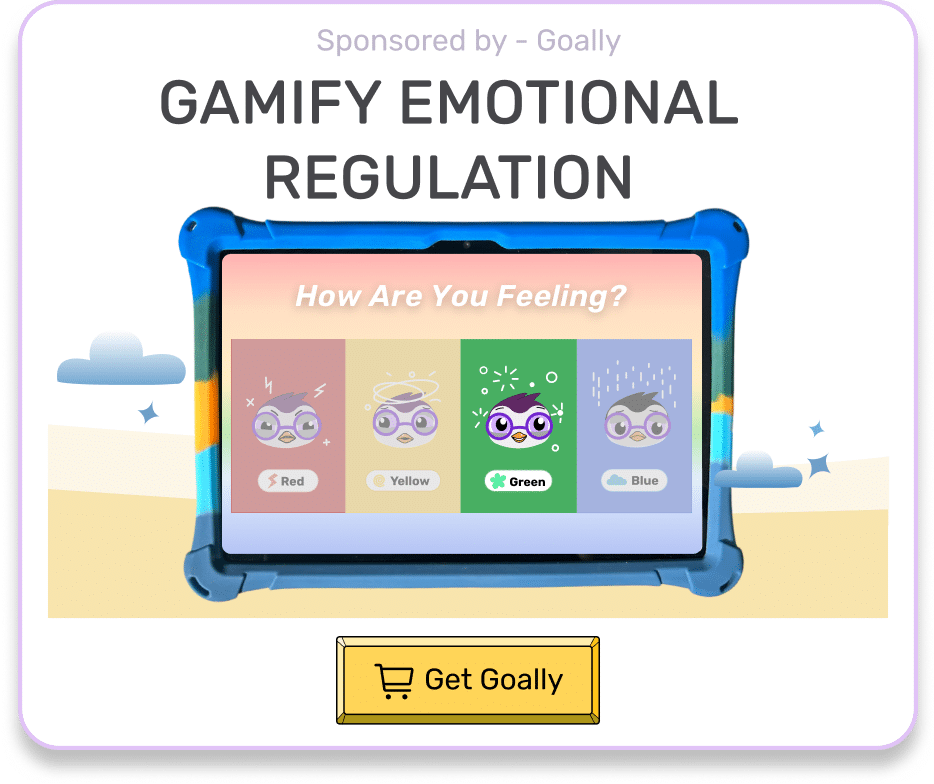
Tired of Emotional Meltdowns?
Goally’s Mood Tuner app has activities for kids with BIG emotions. Teach kids how to tune their mood with Goally. See fewer meltdowns.
The Mood Tuner app encourages kids to look inwards and identify their feelings, helping them understand what’s going on inside. Once they’ve recognized their emotions, they can choose from a 20+ activities designed to help them self-regulate and find their balance.
Anxiety in children under 10 is a significant concern, but with the right support and strategies, kids can learn to manage their anxiety effectively. As a parent, your understanding and guidance are essential in helping them navigate these challenges. By staying attuned to their needs and seeking help when necessary, you can make a positive impact on their emotional well-being and overall development.
Helpful Resources
- Child Mind Institute
- National Institute of Mental Health (NIMH)
- American Academy of Child and Adolescent Psychiatry
FAQs About Anxiety in Children Under 10
What are the signs of anxiety in children under 10?
Common signs include physical symptoms, behavioral changes, and excessive worrying.

Can anxiety affect my child’s school performance?
Yes, anxiety can make it difficult for kids to concentrate and may lead to academic challenges.

How can I help my child manage anxiety at home?
Establish routines, encourage relaxation techniques, and provide a supportive environment.

When should I seek professional help for my child’s anxiety?
If anxiety is interfering with their daily life, consider consulting a mental health professional.

Is anxiety in children under 10 common?
Yes, anxiety is common in young children, but early recognition and support can make a significant difference.

Emily is a seasoned blog writer for Goally, leveraging her extensive background in child psychology and special education to provide valuable insights and resources for parents. Her commitment to understanding and addressing the unique needs of these children, combined with her expertise in educational strategies, makes her a credible and empathetic voice for families.