I can remember a day last summer when I was at the waterpark with kids from my school. I saw one of the kids, a 9-year-old boy who has autism, look around with confusion at all the loud and happy kids. His mom was trying to find him a chair, but he looked scared and overwhelmed by all the other kids having so much fun. Research suggests that people with autism may have imbalances in empathy skills compared to neurotypical people. Some studies show that autistic people have deficits in cognitive empathy but intact emotional empathy. This means that they may be more attuned to the emotions of others, but not as attuned to their circumstances.
Table of Contents
What is Empathy?
Empathy is the capacity to understand and feel what another person is experiencing from within their frame of reference. In essence, it’s the ability to put yourself in someone else’s shoes. There are different types of empathy, including:
- Cognitive empathy: This involves being able to understand a person’s emotions from their perspective and taking their perspective. For example, a child who takes too many toys for themselves might not mean to be greedy, but they may not yet have the cognitive empathy to understand that other children will want some toys too.
- Emotional empathy: Also known as affective empathy, this involves being able to connect with and share the emotional experience of others. For example, feeling a pang of sadness when you see a friend crying.
How Does Autism Affect Empathy?
The perception that autistic people lack empathy is a common misconception. The truth is that while autistic individuals may experience and express empathy differently than neurotypical people, they certainly have the capacity for it.

Read more: Why is Empathy Important in Kids?
Here are some ways that autistic people may experience empathy:
- Affective empathy: Autistic individuals may have a deep capacity for affective empathy, experiencing genuine concern for the emotions of others. This type of empathy is based on instincts and involuntary responses to the emotions of others.
- Hyper-empathy: Some autistic people may be highly attuned to the emotions of others, leading to experiences of hyper-empathy. Signs include knowing how someone is feeling without them telling you, and deeply experiencing someone else’s feelings when they tell you about them.
- Double empathy: In 2012, autistic researcher Damian Milton coined the term “double empathy” to reframe the idea that people on the spectrum have impaired “theory of mind,” which is the capacity to understand the mental states of others. The double empathy problem includes the potential misunderstanding of autistic social communication by non-autistic people.
Goally | The Tablet for Neurodiverse Kids

Other ways that autistic people may experience empathy include:
- Difficulty identifying the emotional behavior of others
- Difficulty interpreting nonverbal social cues
- Difficulty picking up on subtle cues
- Being more empathetic with the suffering and relieved it is over, rather than the death itself
Why Does Understanding Empathy in Autism Matter?
Understanding empathy in autism is incredibly important because it can help us:
- Avoid harmful stereotypes: Autistic individuals are often incorrectly labeled as being uncaring or lacking in emotion. By recognizing the diverse ways they can experience empathy, we challenge misconceptions.
- Improve relationships and communication: Appreciating that autistic individuals may express empathy differently supports positive communication and helps build meaningful relationships.
- Develop tailored interventions: Knowing how autistic individuals experience empathy can guide the development of interventions and strategies for social and emotional development.
Here are some ways parents, caregivers, therapists, and educators can help support the empathy skills of autistic individuals:
- Focus on strengths: Build upon the areas where the individual excels, such as strong affective empathy.
- Explicitly teach social and emotional skills: Provide direct instruction on recognizing emotions, perspective-taking, and social cues.
- Create opportunities for social connection: Facilitate positive interactions with peers and encourage opportunities for connection and understanding.
- Model empathy: Demonstrate empathy in your own actions and words, creating a compassionate and understanding environment.
Goally | Visual Scheduler for Autism
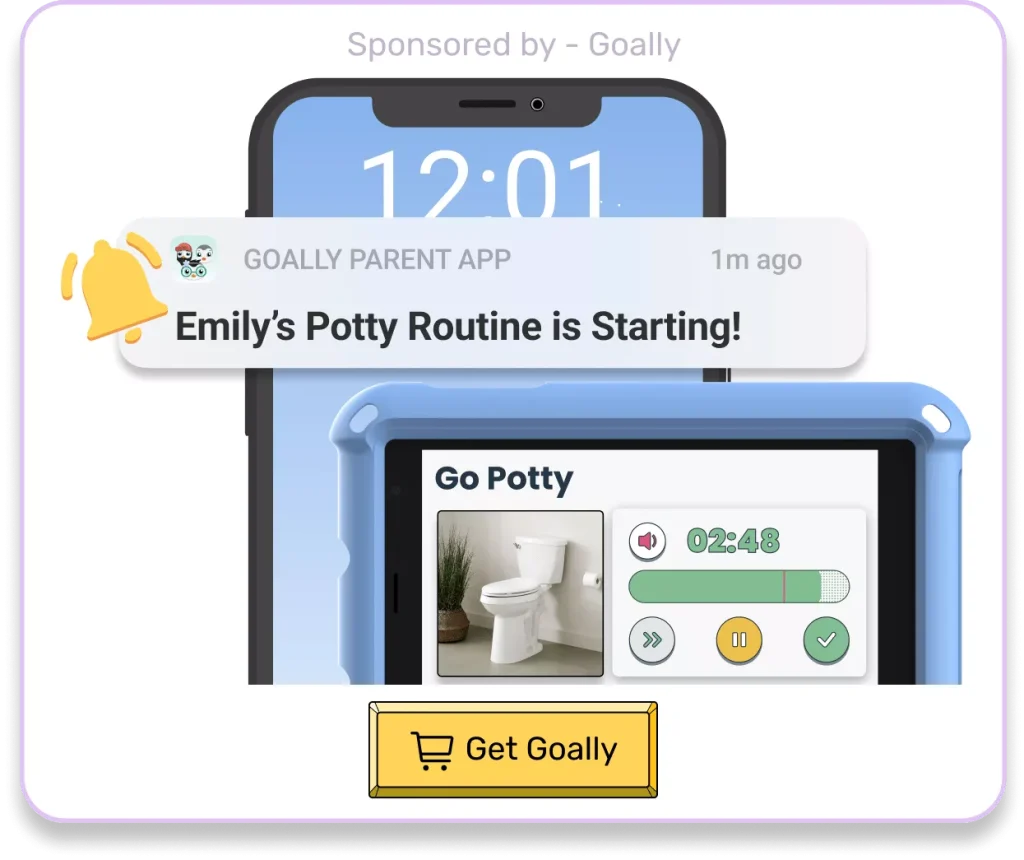
Does your child struggle with getting ready in the morning independently? Goally’s routine app on the best tablet for kids breaks down large tasks into small, achievable steps for autistic kids. Create custom routines with your own videos & pictures for every step.
Autistic people absolutely can have empathy; however, they may experience and express empathy in ways that differ from neurotypical individuals. By recognizing the unique expressions of empathy in autism, we can promote understanding, foster supportive relationships, and create an environment where all individuals feel seen and valued.
Sources
- Autism Speaks: This organization offers many resources for families who live with autism and can provide more information on the topic of empathy in autism.
- The National Autistic Society (UK): This organization’s purpose is similar to that of Autism Speaks, with a focus on research, information for the autism community, and advocacy on behalf of people who have autism.
- “Hyper-Empathy in Autism“: A paper by Simon Baron-Cohen, a prominent autism researcher. This research investigates hyper-empathy as a common trait in autism, with autistic people having enhanced affective empathy but potentially a lower level of cognitive empathy.
FAQs About Empathy In Autism
Do autistic individuals have empathy?
Yes, autistic individuals have empathy, but they may experience challenges in understanding and reacting to other people's emotions due to difficulties with social cues and sensory sensitivities.
How can parents help their autistic child develop empathy?
Parents can help their autistic child develop empathy by teaching emotion recognition, encouraging perspective-taking, modeling empathetic behavior, validating emotions, and providing a safe space for emotional expression.
Can autistic individuals have stronger empathy than neurotypical individuals?
Some research suggests that autistic individuals may have stronger affective empathy, meaning they can feel and react to others' emotions more intensely, despite challenges with cognitive empathy or understanding social cues.
What are some tools to help autistic children learn about emotions and empathy?
Visual schedules, emotional regulation apps, social stories, and emotion flashcards are some tools that can help autistic children learn about emotions and empathy by providing clear and structured guidance.
Why is it important to support empathy development in autistic children?
Supporting empathy development in autistic children is crucial for fostering emotional growth, building meaningful connections, and promoting a more inclusive and compassionate society for neurodivergent individuals.
This post was originally published on 04/16/2023. It was updated on 03/08/2024.

Emily is a seasoned blog writer for Goally, leveraging her extensive background in child psychology and special education to provide valuable insights and resources for parents. Her commitment to understanding and addressing the unique needs of these children, combined with her expertise in educational strategies, makes her a credible and empathetic voice for families.