Starting a conversation with someone about the past can be a great way to connect and understand them better. In this guide, I’ll show you how to initiate and sustain these meaningful conversations.
Key Takeaway:
- Begin with gentle, open-ended questions about their past experiences.
- Listen actively and show empathy as they share their memories.
- Encourage deeper discussion by reflecting on what they say.
How can you start a conversation with someone about the past? Begin by asking open-ended questions that invite them to share their memories, and use active listening to create a safe and comfortable environment for them to open up.
Table of Contents
Step 1: Ask Open-Ended Questions
Start the conversation by asking open-ended questions that allow the other person to share their memories. Instead of asking, “Did you enjoy your childhood?” try asking, “What was your favorite thing about your childhood?” This encourages them to provide more detailed and meaningful responses.
Open-ended questions are effective because they invite the person to share their thoughts and feelings without limiting their answers. It also gives them the freedom to focus on the aspects of their past that are most important to them.
Step 2: Show Genuine Interest
When starting a conversation about the past, it’s crucial to show genuine interest in what the other person has to say. This means giving them your full attention, maintaining eye contact, and using verbal cues like “That’s interesting,” or “Tell me more about that.”
Your interest encourages them to share more and makes them feel valued. When they see that you’re truly engaged, they’re more likely to open up and provide deeper insights into their past experiences.
Step 3: Reflect on Their Responses
As the conversation progresses, reflect on what the other person shares. For instance, if they mention a significant event, you might say, “That sounds like it was a big moment for you. How did it affect you?” This shows that you’re not only listening but also thinking about the deeper implications of their experiences.
Reflecting on their responses helps to keep the conversation flowing and encourages them to explore their memories more fully. It also helps you to better understand their past and the impact it has had on them.

Read more: Teaching Listening Skills to a Child
Step 4: Be Mindful of Sensitive Topics
When discussing the past, it’s important to be mindful of sensitive topics that could evoke strong emotions. If the person seems hesitant or uncomfortable, gently steer the conversation to a different subject or give them the option to skip over certain details.
Showing empathy and understanding in these situations helps build trust and ensures that the conversation remains respectful and supportive. Always let the other person guide the depth and direction of the conversation.
Step 5: Encourage Them to Share Positive Memories
Encouraging the person to share positive memories can help create a warm and uplifting conversation. Ask questions like, “What was one of your happiest moments?” or “Can you tell me about a time when you felt really proud?” These prompts help to highlight the joyful aspects of their past.
Focusing on positive memories not only makes the conversation more enjoyable but also helps to strengthen your connection. It allows you both to share in the good times and fosters a sense of mutual appreciation.
Step 6: Use Visual or Sensory Cues
Sometimes, visual or sensory cues can help spark memories and facilitate the conversation. For example, looking at old photos together or listening to music from their past can trigger memories that might not come up in a regular conversation.
These cues can be especially helpful for someone who finds it difficult to recall details on their own. They provide a tangible connection to the past and can make the conversation more vivid and engaging.

Read more: ADHD and Social Cues in Kids
Step 7: Be Patient and Give Them Time
Remember that talking about the past can be a slow process, especially if the memories are deeply buried or emotional. Be patient and give the other person time to gather their thoughts and express themselves at their own pace.
Avoid rushing the conversation or pushing for details they’re not ready to share. Respecting their pace and allowing them to take the lead helps to create a safe and comfortable environment for them to open up.
Step 8: Offer Encouragement and Validation
Encourage the person to continue sharing by offering validation and positive reinforcement. Phrases like, “That sounds like it was really important to you,” or “I can see why that memory stands out,” help to affirm their experiences and emotions.
Validation is key to building trust and deepening the conversation. It shows that you respect their memories and the significance they hold, which encourages them to continue sharing openly.
Step 9: Share Your Own Experiences Carefully
While it’s important to focus on the other person’s memories, sharing a related experience of your own can sometimes help to deepen the conversation. However, be careful not to overshadow their story or shift the focus entirely onto yourself.
Instead, use your experience to create a connection or to show empathy. For example, “I remember feeling something similar when I…,” can help to build rapport without taking away from their narrative.
Step 10: End on a Positive Note
As the conversation comes to a close, try to end on a positive note. This might involve summarizing some of the positive memories that were shared or expressing gratitude for the opportunity to learn more about their past.
Ending on a positive note leaves both of you with a sense of closure and satisfaction. It reinforces the value of the conversation and helps to ensure that future discussions will be just as meaningful and rewarding.
SPONSORED BY: Goally
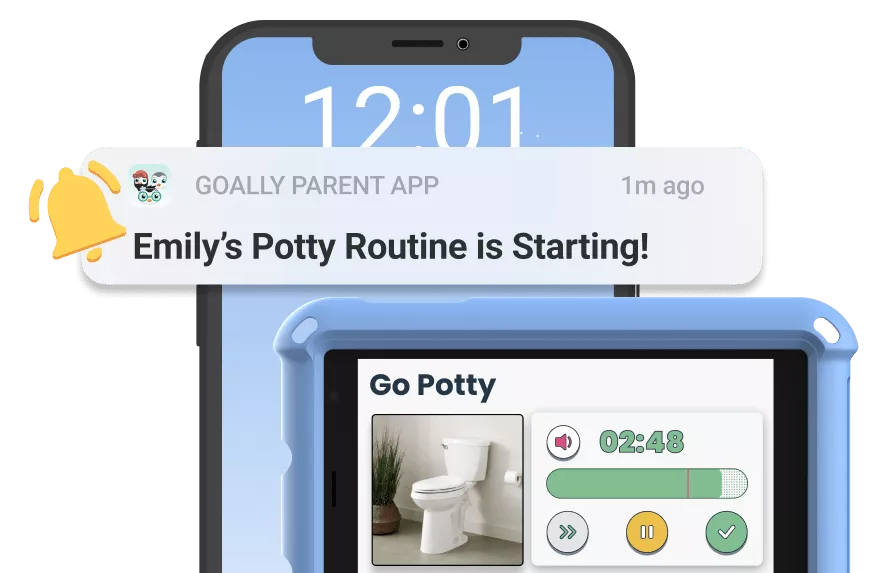
Goally’s Kid’s Tablet has one of the largest libraries of skill-building videos (like “How to Share” and “What To Do When You’re Lost”) in the Goal Mine app.👇

Starting a conversation with someone about the past can be a deeply rewarding experience. By following these steps, you can create a safe and supportive environment that encourages meaningful dialogue and strengthens your connection with the other person.
Helpful Resources
FAQs about How to Start a Conversation
What are some simple steps to start a conversation?
The steps typically include contextual awareness of one's surroundings, creating engaging opening lines, actively listening to responses, and learning to branch out into new discussion topics.

How can parents help their children learn to start a conversation?
Parents can break down the process into small, manageable steps and help their kids practice these skills in a variety of contexts, providing examples, guidance, and positive reinforcement along the way.

How can Goally's tablet aid kids in starting conversations?
Goally's tablet provides interactive video classes that break down the steps of starting a conversation into easy-to-understand segments, allowing kids to practice and learn at their own pace.

What kind of skills does a child need to develop to start a conversation?
The primary skills needed include the ability to observe and understand the context, creating appropriate opening lines, active listening, and the capacity to branch out and explore different topics during the conversation.

Are there resources on Goally that specifically teach "how to start a conversation with someone"?
Yes, Goally offers a dedicated interactive video class that employs task analysis to teach kids this important skill, ensuring they practice and learn how to initiate a conversation in a fun, interactive way.
This post was originally published on 10/17/2023. It was updated on 08/23/2024.

Emily is a seasoned blog writer for Goally, leveraging her extensive background in child psychology and special education to provide valuable insights and resources for parents. Her commitment to understanding and addressing the unique needs of these children, combined with her expertise in educational strategies, makes her a credible and empathetic voice for families.