Understanding your child’s attachment style can unlock valuable insights into their behavior and relationships. This blog explores the four key attachment styles and offers practical tips for fostering a secure attachment, especially for neurodivergent kids.
Key Takeaways:
- Attachment Styles: The four primary attachment styles are secure, anxious-ambivalent, anxious-avoidant, and disorganized.
- Impact on Development: Each attachment style influences your child’s emotional, social, and cognitive growth.
- Fostering Secure Attachment: Responsive parenting, consistency, and open communication are crucial for building a secure attachment, particularly in neurodivergent kids.
What are the four attachment styles infants can develop? The four attachment styles infants can develop are secure, anxious-ambivalent, anxious-avoidant, and disorganized. These styles significantly influence a child’s emotional and social development, with secure attachment being the most beneficial.
Table of Contents
A Quick Overview of Attachment Styles Infants Can Develop
Attachment theory, introduced by John Bowlby and Mary Ainsworth, explains the emotional bond between an infant and their primary caregiver. This bond plays a crucial role in a child’s social, emotional, and cognitive development.
There are four main attachment styles infants can develop:
- Secure attachment
- Anxious-ambivalent attachment
- Anxious-avoidant attachment
- Disorganized attachment
1. Secure Attachment: The Foundation for Healthy Relationships
Secure attachment is the gold standard when it comes to attachment styles infants can develop. A securely attached child feels safe and protected by their caregiver, leading to a sense of trust and confidence. These children are comfortable exploring their environment, knowing their caregiver will be there when needed. Secure attachment provides a strong foundation for healthy relationships and emotional regulation throughout life.
For neurodivergent kids, secure attachment can be especially beneficial. It can help them navigate social situations, manage their emotions, and cope with the challenges they may face.
Here are some key benefits of secure attachment for kids with thinking and learning differences:
- Improved self-esteem and confidence
- Better emotional regulation
- Enhanced social skills
- Increased resilience in the face of adversity
2. Anxious-Ambivalent Attachment: Craving Connection and Fear of Rejection
Anxious-ambivalent attachment is a child’s intense desire for closeness with their caregiver, coupled with a fear of rejection. These children may become overly clingy and have difficulty exploring their environment independently. They often display heightened emotions and may struggle with emotional regulation.

Read more: Autism and Attachment
For kids with thinking and learning differences, this attachment style can exacerbate their challenges. It’s essential to recognize the signs of anxious-ambivalent attachment and work towards fostering a secure attachment with your child.
Some common signs of anxious-ambivalent attachment include:
- Excessive clinginess and need for reassurance
- Difficulty separating from the caregiver
- Heightened emotions and mood swings
- Reluctance to explore new environments
3. Anxious-Avoidant Attachment: Seeking Independence and Avoiding Vulnerability
Children with anxious-avoidant attachment may appear independent, but they’re actually avoiding vulnerability. They learn to suppress their emotions and may not seek comfort from their caregiver when distressed. This attachment style can lead to difficulties in forming close relationships and emotional expression later in life.
Neurodivergent kids with anxious-avoidant attachment may struggle to connect with others and express their emotions, making it crucial for parents to recognize this attachment style and support their child in developing a secure attachment.
Some indicators of anxious-avoidant attachment are:
- Emotional detachment and avoidance of closeness
- Reluctance to seek comfort from the caregiver
- Difficulty expressing emotions
- Preference for solitary activities
4. Disorganized Attachment: A Confusing Mix of Behaviors
Disorganized attachment is the most complex of the attachment styles infants can develop. These children display a mix of behaviors, including avoidance, resistance, and disorientation. They may appear confused or frightened in the presence of their caregiver, making it challenging to form a secure bond.

Read more: Infant Emotional Development | Parents Guide
For kids with special needs, disorganized attachment can further complicate their development and relationships. It’s vital for parents to understand this attachment style and work with professionals to support their child in building a secure attachment.
Some signs of disorganized attachment include:
- Inconsistent behavior towards the caregiver
- Confusion or fear in the presence of the caregiver
- Disorientation and difficulty focusing
- Unpredictable mood swings
How to Foster a Secure Attachment with Your Child
Regardless of your child’s current attachment style, it’s never too late to work towards a secure attachment.
Here are some tips to help you foster a secure attachment with your child:
- Be responsive to your child’s needs, both physical and emotional.
- Provide a consistent and predictable environment.
- Encourage open communication and validate your child’s feelings.
- Practice patience and empathy, especially with neurodivergent kids.
- Seek professional help if needed, such as therapy or support groups.
Goally can also be a valuable tool in supporting your child’s development and fostering a secure attachment. With its learning tablet and apps designed specifically for neurodivergent kids, Goally can help your child build essential skills, manage their emotions, and strengthen their bond with you.
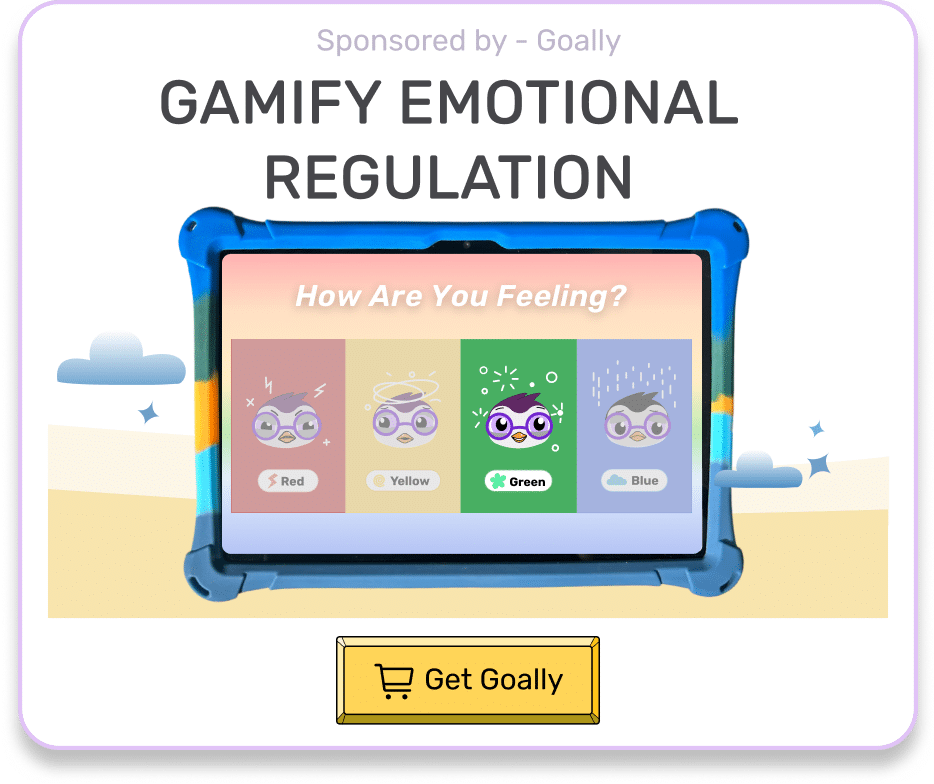
Tired of Emotional Meltdowns?
Goally’s Mood Tuner app has activities for kids with BIG emotions. Teach kids how to tune their mood with Goally. See fewer meltdowns.
The Mood Tuner app encourages kids to look inwards and identify their feelings, helping them understand what’s going on inside. Once they’ve recognized their emotions, they can choose from a 20+ activities designed to help them self-regulate and find their balance.
Understanding the attachment styles infants can develop is a powerful tool for parents, especially those raising neurodivergent kids. By recognizing your child’s attachment style and working towards fostering a secure attachment, you can support their emotional, social, and cognitive development. Remember, it’s never too late to strengthen your bond with your child and help them build a foundation for healthy relationships throughout their life.
- American Academy of Pediatrics (AAP)
- Zero to Three
- Harvard University Center on the Developing Child
FAQ’s About Infant Attachment Styles
What is a secure attachment style?
A secure attachment style is when an infant feels safe and confident that their caregiver will meet their needs.

How does anxious-ambivalent attachment affect a child?
Anxious-ambivalent attachment makes a child overly clingy and fearful of rejection.

What is disorganized attachment in infants?
Disorganized attachment is when a child shows confusing and inconsistent behavior towards their caregiver.

Can a child's attachment style change over time?
Yes, with proper support and care, a child's attachment style can become more secure.

How can parents foster a secure attachment?
Parents can foster secure attachment by being responsive, consistent, and empathetic to their child's needs.
This post was originally published on 05/10/2023. It was updated on 08/22/2024.

Emily is a seasoned blog writer for Goally, leveraging her extensive background in child psychology and special education to provide valuable insights and resources for parents. Her commitment to understanding and addressing the unique needs of these children, combined with her expertise in educational strategies, makes her a credible and empathetic voice for families.