I’ve had the pleasure of working with many kids and their families, witnessing firsthand the joys and challenges that come with neurodiversity. One common question parents often ask is, “Can you reverse autism?” Autism, a developmental disorder that affects communication and behavior, is a complex condition. The idea of reversing autism implies a possibility of curing or significantly altering the condition. This topic is essential because it addresses the hopes and concerns many parents have about their child’s future. In this blog, we will explore whether autism can be reversed, discuss current research, and provide practical advice on supporting kids with autism.
Table of Contents
Understanding Autism
Autism Spectrum Disorder (ASD) is a developmental disorder that affects how a person communicates, interacts, and behaves. It is called a “spectrum” because it includes a range of symptoms and severity. Kids with autism may have challenges with social skills, repetitive behaviors, and communication.
The Centers for Disease Control and Prevention (CDC) estimates that 1 in 54 kids in the United States is diagnosed with autism. Early diagnosis and intervention are crucial in helping kids develop essential skills and improve their quality of life.

The Concept of Reversing Autism
The idea of reversing autism is often misunderstood. Autism is a lifelong condition, and there is currently no known cure. However, with appropriate interventions, support, and therapies, many individuals with autism can lead fulfilling and productive lives.
While some parents report significant improvements in their child’s behavior and skills through various therapies, it is essential to understand that these improvements do not mean that autism has been “reversed” or cured. Instead, they indicate progress in managing symptoms and enhancing development.
Current Research on Autism Interventions
Research on autism interventions is ongoing, with many studies focusing on therapies that can improve communication, social skills, and behavior. Some of the most effective interventions include Applied Behavior Analysis (ABA), speech therapy, and occupational therapy.
According to a study published in the Journal of Autism and Developmental Disorders, early intervention programs significantly improve developmental outcomes for kids with autism. These programs focus on enhancing communication skills, reducing problematic behaviors, and promoting social interactions.
Applied Behavior Analysis (ABA)
ABA is one of the most widely used and researched therapies for autism. It focuses on teaching new skills and reducing unwanted behaviors through positive reinforcement. ABA therapists work closely with kids to help them develop communication, social, and daily living skills.
Studies have shown that ABA can lead to significant improvements in cognitive, language, and adaptive skills. However, it requires a substantial time commitment and consistency from both the therapist and the family.
Speech Therapy
Many kids with autism have difficulty with communication, making speech therapy an essential part of their intervention plan. Speech therapists work with kids to improve their verbal and non-verbal communication skills.
Through speech therapy, kids can learn to express their needs, understand others better, and engage in social interactions. This therapy is tailored to each child’s unique needs and can involve various techniques, such as using visual aids or assistive technology.

Occupational Therapy
Occupational therapy helps kids with autism develop the skills they need for daily living. This includes improving fine motor skills, sensory integration, and self-care abilities.
Occupational therapists create individualized plans to address each child’s specific challenges. By focusing on activities that enhance independence and functionality, occupational therapy can significantly impact a child’s development.
Diet and Autism
Some parents explore dietary interventions to help manage autism symptoms. While there is no definitive scientific evidence that diet alone can reverse autism, some studies suggest that certain dietary changes may benefit some kids.
For example, gluten-free and casein-free diets have been popular among some families. However, it is essential to consult with a healthcare professional before making significant dietary changes to ensure that the child’s nutritional needs are met.
Importance of Early Intervention
Early intervention is crucial in supporting kids with autism. The earlier a child receives appropriate therapies and support, the better their developmental outcomes. Early intervention programs focus on teaching essential skills during the critical periods of brain development.
According to the American Academy of Pediatrics, early intervention can lead to improvements in communication, social skills, and behavior. It can also help reduce the severity of symptoms and improve the child’s overall quality of life.
Role of Family and Community Support
Supporting a child with autism requires a team effort. Families, educators, and communities play a vital role in providing the necessary support and resources. Family involvement in therapy and intervention programs is crucial for reinforcing skills and promoting progress.
Community resources, such as support groups and specialized programs, can also provide valuable assistance. Connecting with other families facing similar challenges can offer emotional support and practical advice.
Alternative Therapies and Controversies
In addition to traditional therapies, some parents explore alternative treatments for autism. These may include music therapy, animal-assisted therapy, and sensory integration therapy. While some families report positive outcomes, it is essential to approach alternative therapies with caution and consult with healthcare professionals.
There are also controversies surrounding certain treatments, such as chelation therapy and hyperbaric oxygen therapy. These treatments lack scientific evidence and may pose risks to the child’s health. Parents should be wary of treatments that promise to “cure” autism and rely on evidence-based practices.
Goally is a valuable resource for clinicians who are looking for ways to support children with speech and language problems.
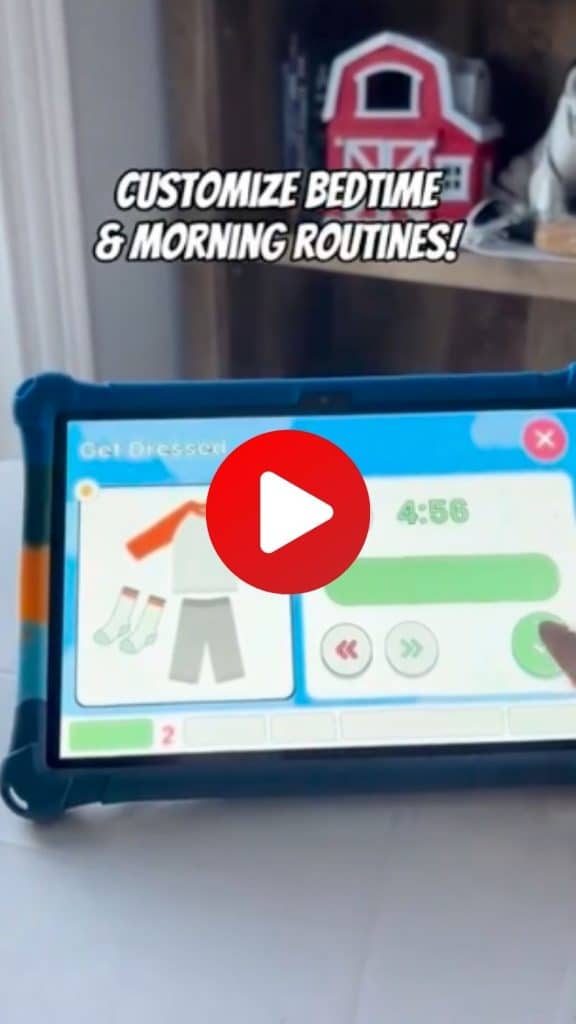
- Individualized Instruction. Goally can be easily customized to meet the specific needs of each child supporting the skills that they need most, at each child’s own pace.
- Increased Engagement. Goally is a fun and interactive tool that can help children stay engaged while learning.
- Improved Communication. Goally helps children learn to effectively communicate wants and needs, and allows children to participate in the world around them.
- Bonus: Goally’s Core Word Lessons teaches kids their first 50 words through video modeling and interactive practice.
Goally’s distraction-free kid’s tablet can be used as a therapy tool to help teach executive function, language, emotional regulation, finger dexterity skills, and more!
The question “Can you reverse autism?” often arises from a place of hope and a desire to improve a child’s quality of life. While there is no known cure for autism, various interventions and therapies can significantly enhance the skills and development of kids with autism. By focusing on early intervention, evidence-based therapies, and community support, parents can help their children thrive and reach their full potential. Stay informed, seek professional guidance, and connect with supportive resources to navigate this journey effectively.
Helpful Resources
- CDC: Autism Spectrum Disorder
- Autism Society
- National Institute of Mental Health: Autism Spectrum Disorder
FAQ’s About Can You Reverse Autism
Can you reverse autism?
No, autism cannot be reversed, but early intervention and therapies can significantly improve skills and behaviors.

What is autism?
Autism is a developmental disorder that affects communication, behavior, and social interactions.

Can therapies help manage autism symptoms?
Yes, therapies like ABA, speech therapy, and occupational therapy can help manage autism symptoms effectively.

Is there a cure for autism?
There is no cure for autism, but many interventions can help improve quality of life and functioning.

How important is early intervention for autism?
Early intervention is crucial as it can lead to better developmental outcomes for kids with autism.

Emily is a seasoned blog writer for Goally, leveraging her extensive background in child psychology and special education to provide valuable insights and resources for parents. Her commitment to understanding and addressing the unique needs of these children, combined with her expertise in educational strategies, makes her a credible and empathetic voice for families.