Understanding hyper observance in kids is essential for providing the right support. This guide explains the key aspects of hyper observance and how to help children thrive with this trait.
Key Takeaways
- Hyper observant kids: Notice small details others may miss.
- Associated conditions: Often linked with autism, ADHD, and anxiety.
- Support strategies: Use routines, visual supports, and mindfulness to help manage hyper observance.
What does it mean to be hyper observant? Hyper observant refers to a child who is exceptionally aware of their surroundings, noticing even the smallest details. This heightened awareness is often linked to neurodevelopmental conditions like autism, where sensory processing is more acute.
Table of Contents
Step 1: Start with the Basics
Firstly, let’s strip it back to the basics. Try to explain Autism in terms that a child can understand. You might say, “Autism is how some people’s brains work. It can make them think, feel, and experience the world differently.” Keep your language straightforward and avoid medical jargon. After all, we’re not aiming to turn your child into a neuroscientist – we want to foster understanding.
For instance, you could use a table to illustrate the basics of Autism:
| What is Autism? | What Does It Mean? |
|---|---|
| Autism is a way some people’s brains work | People with Autism may think, feel, and experience the world differently |
Step 2: Highlight the Positives
Secondly, let’s shine a light on the positives. You could mention how kids with Autism often have excellent memory skills or a keen eye for detail. This approach helps to paint a balanced picture of Autism, emphasizing strengths alongside challenges.
Remember, kids with Autism are just like any other kids – they have strengths and weaknesses. They might be great at remembering facts, or they might be excellent artists. The point is, Autism doesn’t define them – it’s just one part of who they are.
Step 3: Use Relatable Examples
Next, let’s bring in some relatable examples. You could compare the sensory overload often experienced by kids with Autism to the feeling of wearing a scratchy sweater or hearing a loud noise. These comparisons can help kids grasp the concept more easily.
Here’s an example: “You know how you feel when trying to watch TV, and your little brother is playing his drums loudly? That’s how some kids with Autism might feel all the time.”

Read more: How to Tell If You Have Autism
Step 4: Address Misconceptions
However, it’s equally important to address misconceptions about Autism. Explain that Autism doesn’t make someone less or more—it just makes them different. And, as we know, different is not bad; it’s just different! Moreover, you could also explain that just like no two snowflakes are alike, no two people with Autism are the same. Everyone is unique, with their own strengths, challenges, and personalities.
Step 5: Encourage Empathy
Above all, encourage empathy. Explain that everyone has unique strengths and challenges, and being kind and understanding is important. After all, wouldn’t the world be dull if we were all the same?
One way to do this is using tools like Goally, designed to help kids understand and manage their emotions better. Goally can be an excellent resource for teaching kids about empathy and understanding.

Read more: High-Functioning Autism and Emotions in Kids
Step 6: Be Open to Questions
Finally, be open to questions. Your child might need time to process the information and have follow-up questions later. Encourage this curiosity—it’s a sign they’re trying to understand and empathize.
Remember, it’s okay to have only some of the answers. What’s important is that you’re there for your child, ready to explore their questions and concerns together. And remember, tools like Goally can be a great help in navigating these conversations. Here is a FREE autism test for your kid.
Goally | Visual Scheduler for Autism
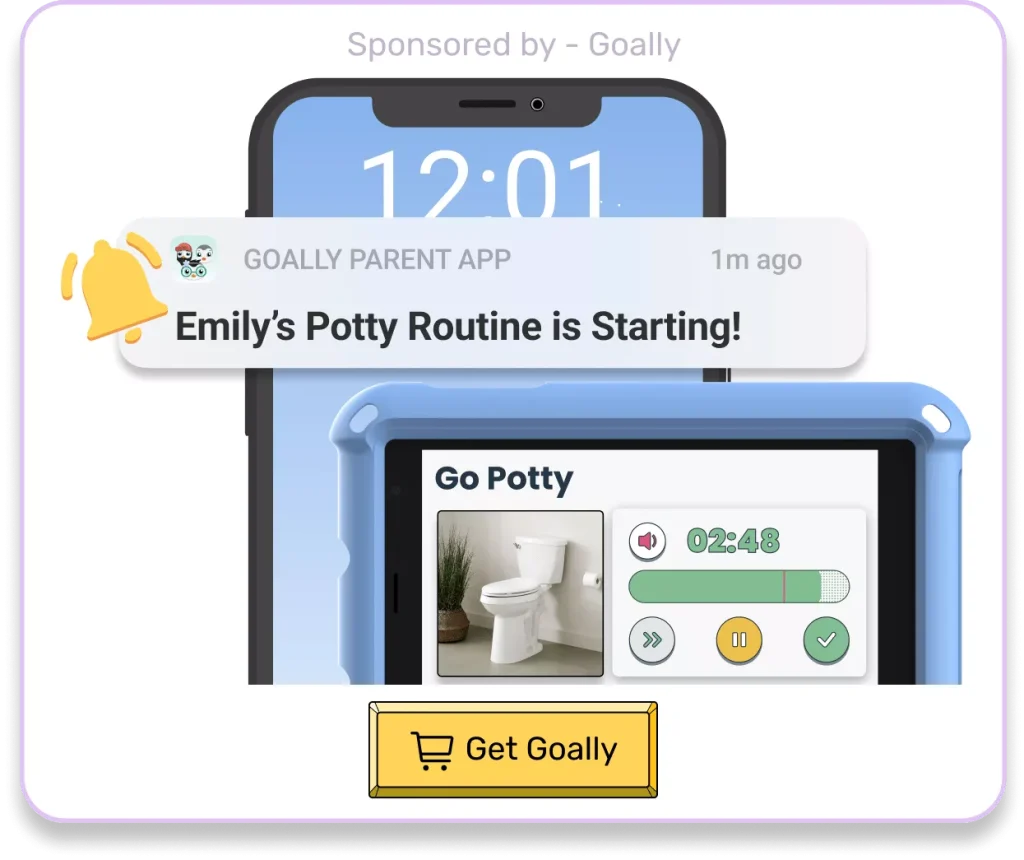
Does your child struggle with getting ready in the morning independently? Goally’s routine app on the best tablet for kids breaks down large tasks into small, achievable steps for autistic kids. Create custom routines with your own videos & pictures for every step.
Talking about autism with a child is an ongoing journey. It’s about having continuous talks, showing patience, and being understanding. Use this guide to help you along the way. The main aim isn’t to know everything about autism, but to build a space where differences are respected and understood.
FAQs About How to Explain Autism to Kids
What is autism?
Autism is a brain difference that affects how some people communicate, learn, and interact with others.

How can I explain autism to my child?
Tell your child that autism is like having a unique way of seeing and experiencing the world, making some things easier and other things more challenging.

Why is it important for kids to understand autism?
Understanding autism helps kids be more accepting and kind, and it can strengthen friendships with classmates or family members who have autism.

Are all people with autism the same?
No, just like everyone else, people with autism are unique; they have their own strengths, interests, and challenges.

How can we support friends or classmates with autism?
Being patient, understanding, and willing to listen or adapt play are great ways to support and befriend someone with autism.
This post was originally published on 08/10/2023. It was updated on 08/27/2024.

Emily is a seasoned blog writer for Goally, leveraging her extensive background in child psychology and special education to provide valuable insights and resources for parents. Her commitment to understanding and addressing the unique needs of these children, combined with her expertise in educational strategies, makes her a credible and empathetic voice for families.