ADHD (Attention Deficit Hyperactivity Disorder) is a condition that affects both children and adults, characterized by symptoms like inattention, hyperactivity, and impulsivity. But is ADHD considered a disability? This question is critical for parents and caregivers, as it determines eligibility for support, accommodations, and resources. In this guide, I’ll help you understand how ADHD is categorized and how it impacts kids in real, practical ways.
Key Takeaways:
- ADHD is recognized as a disability under the Americans with Disabilities Act (ADA) and Section 504 of the Rehabilitation Act.
- Eligibility for accommodations at school depends on how ADHD impacts a child’s ability to learn or function in a classroom setting.
- Parents can apply for educational support and other services to help kids with ADHD succeed.
So, is ADHD a disability? Yes, ADHD is generally considered a disability under U.S. law, but the specifics depend on how it affects a child’s daily functioning, particularly in academic settings. It can qualify for support in schools, under the ADA and Section 504, which ensure that kids with ADHD receive appropriate accommodations.
Table of Contents
Understanding ADHD and Its Impact on Kids
ADHD stands for Attention Deficit Hyperactivity Disorder, and it impacts kids in varying degrees. It’s not just about being “hyper” or distracted—it’s a neurological condition that makes it difficult for kids to focus, follow instructions, and manage their impulses. Children with ADHD often struggle in school environments, where attention and self-control are key. This disorder can manifest in several ways, making it crucial for parents to understand the full scope of its effects.
The disorder is typically diagnosed through a combination of behavioral evaluations and sometimes input from teachers and caregivers. ADHD symptoms can vary in intensity, but commonly include persistent inattention, difficulty staying focused on tasks, impulsive behaviors, and sometimes hyperactivity. For some children, these symptoms are so disruptive that they struggle to perform academically or socially. Understanding how ADHD affects each child is a first step in knowing whether they qualify for disability-related services.
Is ADHD Considered a Disability in the U.S.?
Under U.S. federal law, ADHD is recognized as a disability. The Americans with Disabilities Act (ADA) and Section 504 of the Rehabilitation Act of 1973 are the key legislations that define and protect individuals with disabilities. These laws ensure that children with ADHD can access accommodations in school to help them succeed.
However, whether ADHD qualifies as a disability depends on the extent to which it impacts a child’s daily activities, especially in the school setting. For a child to qualify for educational support, the disorder must significantly hinder their ability to perform well in a learning environment. This could include difficulties in paying attention, following instructions, or sitting still long enough to complete tasks.
What Qualifies a Child with ADHD for Disability Services?
The definition of disability under the ADA and Section 504 is broad, so it’s not just about whether a child has ADHD, but how severely it affects their life. Schools are required to evaluate students with ADHD to determine if they need accommodations or services. These services could include things like extra time on tests, a quiet space for assignments, or specialized behavior plans.
If ADHD significantly impacts your child’s ability to focus in class, follow instructions, or interact with peers, they may be eligible for support. This can come in the form of an Individualized Education Program (IEP) or a 504 Plan, both of which are legal documents that ensure a child gets the help they need in school.

How to Access Disability Services for Kids with ADHD
To access services for your child with ADHD, the first step is often to reach out to your child’s school to request an evaluation. This evaluation will assess whether your child’s ADHD symptoms are severe enough to warrant accommodations. Schools are required by law to provide services to students with disabilities, and ADHD qualifies as one, as long as it impacts your child’s education or ability to function in a school environment.
Once the evaluation is completed, the school team—including teachers, counselors, and special education staff—will determine if your child qualifies for a 504 Plan or IEP. These plans outline the accommodations or modifications that will be made to support your child’s learning. It’s also important to stay involved and advocate for your child’s needs throughout this process to ensure that the plan is effective.
Common Accommodations for Kids with ADHD
- Extended Time on Tests: ADHD often makes it hard for kids to stay focused, so extra time can help them complete assignments.
- Preferential Seating: Being seated away from distractions or near the teacher can help a child with ADHD focus.
- Behavioral Supports: A behavior management plan can provide structure and help kids learn strategies for controlling their impulses.
- Technology Aids: Tools like audio recorders or speech-to-text software can help with writing and staying organized.
What Does the Legal Process Look Like for ADHD Disability Recognition?
If your child’s ADHD symptoms are severe enough to significantly affect their learning or behavior in school, then qualifying for disability services under the ADA or Section 504 is likely. This can take time, and the process will involve evaluations and meetings with educators and school administrators. It’s important to gather as much documentation as possible, such as reports from doctors, psychologists, and teachers, to support your request for accommodations.
Once your child qualifies for services, the school will create a plan to accommodate their needs. You, as a parent, will be involved in this process to ensure the plan is comprehensive and tailored to your child’s unique challenges. This process empowers you to advocate for the support your child needs to succeed academically and socially.
Why Is It Important to Address ADHD Early?
Identifying ADHD early and providing the necessary support can greatly improve outcomes for kids with this condition. Early interventions, such as therapy, medication, and accommodations at school, can help children with ADHD develop better coping strategies, improve their academic performance, and enhance their social skills. Without support, ADHD can lead to struggles in school, low self-esteem, and even behavioral issues as children get older.
Parents play a key role in advocating for early diagnosis and intervention. By recognizing the signs of ADHD early, you can ensure your child gets the resources and support they need to thrive. Moreover, addressing ADHD early can prevent further complications in the long term, improving both their academic performance and mental health.
Supporting Kids with ADHD at Home
While schools are essential for providing accommodations and support, helping your child at home is just as crucial. Setting up a structured environment with clear routines and expectations can help a child with ADHD succeed. Break down tasks into smaller, manageable steps and offer frequent reminders to keep them on track. You can also encourage physical activity to help burn off excess energy, which can improve focus and behavior.
Additionally, it’s important to work on developing your child’s self-regulation skills. This might involve practicing mindfulness exercises, helping them recognize when they’re getting distracted, or teaching them coping strategies for managing frustration. By supporting your child at home and school, you are giving them the tools to manage their ADHD and lead a successful life.
Try Goally For Your Child With ADHD
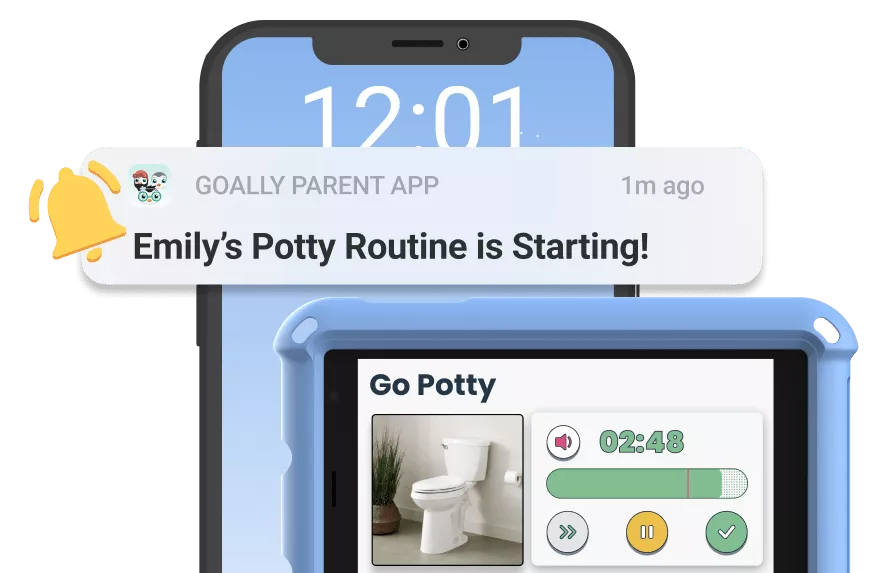
Goally helps kids with ADHD stay focused and build skills. Unlike a Kindle or an iPad that kids get easily distracted on, Goally has no YouTube, no social media, no web browser, and especially no ads.
Goally uses game play as a points-based motivator for your kiddo with ADHD and helps them learn emotional regulation skills. It’s simple to set up and has an expert-informed design.

In summary, ADHD is a recognized disability under U.S. law, qualifying kids for educational support and accommodations. Parents can help by seeking evaluations and advocating for their child’s needs. Early recognition and intervention can make a huge difference in a child’s academic success and overall well-being.
Helpful Resources
- Understood.org – Support for Learning and Attention Issues
- Attention Deficit Disorder Association (ADDA)
FAQ’s About ADHD as a Disability
What is ADHD and how is it diagnosed?
ADHD (Attention Deficit Hyperactivity Disorder) is a neurological condition that affects a child's ability to focus, follow instructions, and control impulses. It’s diagnosed through a combination of behavioral assessments, interviews with caregivers, and input from teachers. Medical professionals or psychologists evaluate the child's behavior to determine whether it meets the criteria set by the American Psychiatric Association in the DSM-5.

How does ADHD impact a child’s learning in school?
ADHD can significantly affect a child's ability to succeed in school. Children with ADHD often struggle with paying attention, staying on task, following directions, and sitting still for extended periods. These difficulties can lead to academic underachievement, behavioral issues, and lower self-esteem. That’s why it’s essential to implement strategies, accommodations, and support systems to help children with ADHD thrive in the classroom.

Can ADHD qualify as a disability under U.S. law?
Yes, ADHD is recognized as a disability under U.S. federal law, specifically under the Americans with Disabilities Act (ADA) and Section 504 of the Rehabilitation Act of 1973. These laws ensure that students with ADHD can receive accommodations in school to help them perform better academically. The criteria for qualifying as a disability depend on how severely ADHD impacts a child's learning and ability to function in a school setting.

What accommodations are available for children with ADHD in school?
There are several accommodations that schools may offer children with ADHD to help them succeed. These can include extra time for tests and assignments, preferential seating to reduce distractions, behavior management plans, and the use of technology tools to support organization and focus. Accommodations can be tailored to a child’s specific needs through a 504 Plan or an Individualized Education Program (IEP).

Emily is a seasoned blog writer for Goally, leveraging her extensive background in child psychology and special education to provide valuable insights and resources for parents. Her commitment to understanding and addressing the unique needs of these children, combined with her expertise in educational strategies, makes her a credible and empathetic voice for families.