In my years working with kids, I’ve witnessed countless tantrums and learned effective ways on how to deal with toddler tantrums. This guide aims to provide practical steps to handle these challenging moments, helping you and your toddler navigate them easily.
Table of Contents
Step 1: Stay Calm and Composed
It’s essential to remain calm during a tantrum. Your calm demeanor helps to soothe your child and sets a positive example for emotional regulation. Deep breathing or counting to ten can help you stay centered.
For instance, when a toddler throws a fit in the grocery store, taking a deep breath and responding with a calm voice can prevent the situation from escalating further.
Step 2: Identify Triggers
Understanding what triggers your toddler’s tantrums can help you prevent them. Common triggers include hunger, tiredness, and overstimulation. Keeping a diary of tantrum incidents can help identify patterns.
Once you know the triggers, you can take proactive steps, such as ensuring regular meal and nap times, to minimize the chances of a tantrum occurring.
Goally | The Tablet for Neurodiverse Kids

Step 3: Use Distraction Techniques
Distraction can be a powerful tool to redirect your toddler’s attention away from the cause of the tantrum. Offering a toy, engaging in a different activity, or pointing out something interesting can work wonders.
For example, if your child throws a tantrum because they want a toy in the store, you can distract them by pointing out a fun game or singing a favorite song.
Step 4: Validate Their Feelings
Letting your toddler know their feelings are valid helps them feel understood. Simple phrases like “I see you’re upset” can make a significant difference. This validation can help calm them down more quickly.
By acknowledging their emotions, you teach them to express their feelings in words rather than through tantrums.

Step 5: Set Clear Boundaries
Consistency is key when dealing with tantrums. Setting clear boundaries and sticking to them helps your toddler understand acceptable behavior. This can reduce the frequency of tantrums over time.
For instance, if your child has a tantrum when they don’t get a snack right before dinner, consistently explaining and sticking to the rule that snacks are not allowed close to mealtime will help them understand and accept this boundary.
Step 6: Praise Positive Behavior
Reinforcing positive behavior with praise encourages your toddler to repeat those actions. Acknowledging when they express their feelings calmly or follow directions without a fuss can reinforce these behaviors.
For example, saying, “Great job using your words to tell me how you feel” can encourage your child to communicate more effectively in the future.
Step 7: Use Tools and Apps
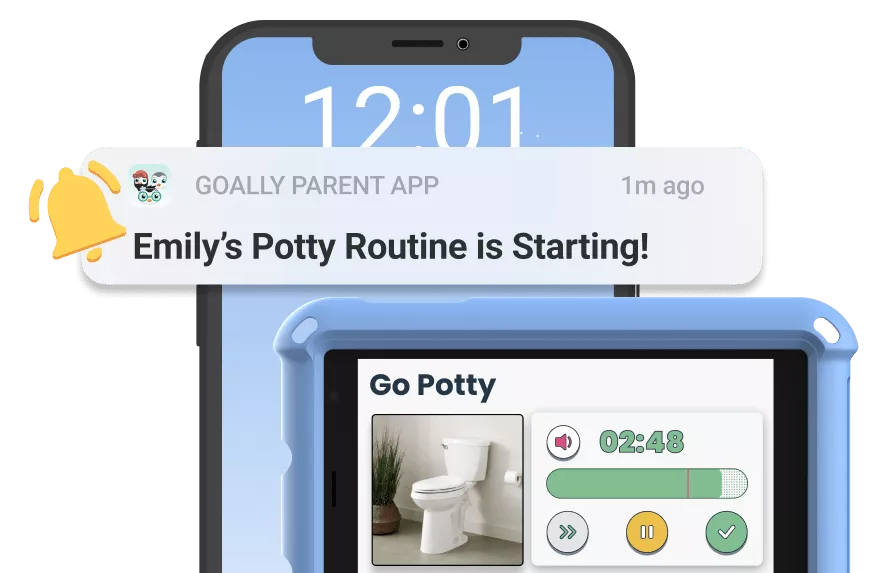
Tools like visual schedules and emotional regulation apps can be very helpful in managing tantrums. Apps like Goally offer interactive ways for toddlers to learn about emotions and coping strategies in a fun and engaging manner.
Visual schedules help children understand the structure of their day, reducing anxiety and the likelihood of tantrums caused by unexpected changes.
Tired of Emotional Meltdowns?
Goally’s Mood Tuner app has activities for kids with BIG emotions. Teach kids how to tune their mood with Goally. See fewer meltdowns.
The Mood Tuner app encourages kids to look inwards and identify their feelings, helping them understand what’s going on inside. Once they’ve recognized their emotions, they can choose from a 20+ activities designed to help them self-regulate and find their balance.

Dealing with toddler tantrums is never easy. Still, staying calm, understanding triggers, and using positive reinforcement can make these moments more manageable. With patience and consistency, your child will learn to express their emotions more effectively, leading to fewer tantrums and a more harmonious environment.
Helpful Resources
FAQ’s About How to Deal With Toddler Tantrums
What are common triggers for toddler tantrums?
Common triggers for toddler tantrums include hunger, tiredness, and overstimulation.

How can I calm my toddler during a tantrum?
Stay calm yourself and use soothing words or distractions to help your toddler calm down.

What techniques can help prevent toddler tantrums?
Consistent routines, clear boundaries, and regular meal and nap times can help prevent tantrums.

Why is it important to validate a toddler's feelings during a tantrum?
Validating a toddler's feelings helps them feel understood and can quickly calm them down.

How can I use positive reinforcement to manage tantrums?
Praise your toddler for positive behaviors and effective communication to encourage those actions.

Emily is a seasoned blog writer for Goally, leveraging her extensive background in child psychology and special education to provide valuable insights and resources for parents. Her commitment to understanding and addressing the unique needs of these children, combined with her expertise in educational strategies, makes her a credible and empathetic voice for families.