Working with kids who have special needs has been an eye-opening journey for me. I’ve seen firsthand how the right educational environment can transform a child’s life. When parents come to me, their eyes filled with a mix of hope and uncertainty, I’m reminded of why finding the best special education schools in Massachusetts is so crucial. It’s like solving a puzzle where every piece represents a child’s unique needs and potential. Today, I’m sharing my insights to help you find that perfect fit for your child. We’ll explore top-rated special education schools in MA.
Table of Contents
Top 5 Special Education Schools in MA
Sometimes, picking the right school feels like solving a giant jigsaw puzzle. But worry not; we’ve sourced key information to paint a more detailed picture. Here, you’ll find a list of top-tier special education schools in MA, each remarkable in its own right.
| Name of the Location | Star Rating | Number of Reviews | Address | Hours of Operation | Description |
|---|---|---|---|---|---|
| Boston Higashi School-Autism | 5.0 | 13 | Randolph, MA, United States | Not specified | Specializing in autism education, this school follows a unique daily life therapy approach, making it different from others in this list. |
| Clearway School | 4.3 | 3 | Newton, MA, United States | Not specified | Known for its individualized learning programs, Clearway School offers a tailored approach that sets it apart from other institutions. |
| James F. Farr Academy, Inc. | 4.9 | 7 | Cambridge, MA, United States | Not specified | With a focus on therapeutic education, James F. Farr Academy uniquely integrates mental health support with academics. |
| Seaport Academy | 3.6 | 5 | Chelsea, MA, United States | Open ⋅ Closes 2 PM | Distinguished for its maritime-themed curriculum, Seaport Academy offers an unconventional learning environment, catering to various learning needs. |
| May Center School for Autism and Developmental Disabilities | 5.0 | 3 | Randolph, MA, United States | Not specified | Focusing solely on autism and developmental disabilities, May Center’s specialization offers targeted support, setting it apart from other schools on this list. |
Understanding Special Education in Massachusetts
In my years working with kids who have special needs, I’ve come to appreciate the unique landscape of special education in Massachusetts. The state has a rich history of pioneering inclusive education practices. Did you know that Massachusetts was one of the first states to pass special education laws, even before the federal government enacted the Individuals with Disabilities Education Act (IDEA)?
Key Factors in Choosing a Special Education School
Individualized Education Programs (IEPs)
IEPs are the backbone of special education. In Massachusetts, schools are required to develop these plans collaboratively with parents. I always tell parents to think of an IEP as their child’s roadmap to success. It should outline specific goals, necessary accommodations, and measures of progress.
When evaluating schools, pay close attention to how they approach IEPs. The best schools view these documents as living, breathing entities that evolve with your child. I once worked with a school that held monthly IEP check-ins with parents. This level of engagement can make a huge difference in your child’s progress.
Staff Qualifications and Training
The quality of education your child receives is directly tied to the expertise of the staff. Massachusetts has stringent requirements for special education teachers, but the best schools go above and beyond. Look for schools that invest in ongoing professional development for their staff.
I remember visiting a school where every teacher had additional certifications in areas like applied behavior analysis or assistive technology. This level of specialized knowledge can be a game-changer for your child’s education.
Specialized Programs and Services
Therapeutic Services
Many kids with special needs benefit from integrated therapeutic services. The best special education schools in MA often offer a range of therapies on-site. This might include speech therapy, occupational therapy, physical therapy, or counseling services.
I’ve seen firsthand how on-site therapy can streamline a child’s day and boost their progress. When therapists can collaborate directly with teachers, it creates a more cohesive approach to your child’s development. Look for schools that offer the specific therapies your child needs and ask about how these services are integrated into the school day.
Assistive Technology
Technology can be a powerful tool in special education. Massachusetts is home to some cutting-edge assistive technology programs. According to a report from the Massachusetts Assistive Technology Program, over 90% of individuals who received assistive technology services reported improved independence in daily activities.

Read more: Best Autism Schools in Massachusetts
When evaluating schools, ask about their approach to assistive technology. Do they have a variety of tools available? How do they assess which technologies might benefit your child? A school that embraces assistive technology can open up new avenues for learning and communication.
Transition Programs and Life Skills
As your child grows, preparing for life beyond school becomes increasingly important. Massachusetts law requires transition planning to begin no later than age 14. This is earlier than many other states, reflecting the state’s commitment to long-term success for students with special needs.
Look for schools that offer robust transition programs. These might include:
- Vocational training
- Work-study programs
- Life skills classes (cooking, budgeting, etc.)
- Community integration activities
- College preparation (if appropriate)
I once worked with a student who, through his school’s transition program, secured an internship at a local business. This experience boosted his confidence and gave him valuable skills for future employment. These programs can be transformative, so don’t overlook their importance when choosing a school.
Parent Involvement and Communication
In my experience, the most successful special education programs are those that foster strong partnerships with parents. Massachusetts law emphasizes the importance of parent involvement in special education decisions. The best schools go beyond legal requirements, creating multiple channels for ongoing communication and collaboration.
When evaluating schools, consider:
- How often do they communicate with parents?
- What methods of communication do they use?
- Are there opportunities for parent education or support groups?
- How are parents involved in the IEP process?
I remember one school that implemented a daily communication app. Parents could get real-time updates on their child’s progress and activities. This level of transparency can be incredibly reassuring and helps you stay actively involved in your child’s education.
Evaluating School Culture and Environment
The overall culture and environment of a school can have a significant impact on your child’s experience. When I visit schools, I always pay attention to the atmosphere. Is it welcoming? Do the students seem engaged and happy? How do staff members interact with students?
Consider these factors when evaluating school culture:
- Physical environment (Is it clean, organized, and accessible?)
- Classroom atmosphere (Is it calm and structured?)
- Peer interactions (Are there opportunities for social engagement?)
- Staff attitudes (Do they seem passionate and positive?)
I once visited a school where the walls were covered with student artwork and accomplishments. This simple detail spoke volumes about how the school valued and celebrated each student’s unique abilities. These are the kinds of nuances that can make a big difference in your child’s daily experience.
Understanding Your Rights and Resources
Navigating the world of special education can feel overwhelming, but remember, you have rights and resources available to you. Massachusetts has a robust system of support for families of children with special needs. The Federation for Children with Special Needs reports that they assist over 50,000 families annually with information, support, and advocacy services.
Key rights to be aware of include:
- The right to request an evaluation for special education services
- The right to participate in all IEP meetings
- The right to disagree with the school’s recommendations and request mediation or a hearing
- The right to receive progress reports as often as parents of non-disabled students
Don’t hesitate to reach out to advocacy organizations or the Massachusetts Department of Elementary and Secondary Education for guidance. Knowledge is power when it comes to ensuring your child receives the best possible education.
Making Your Decision
Choosing the right special education school is a deeply personal decision. It’s about finding the place where your child will thrive, grow, and reach their full potential. As you weigh your options, trust your instincts. You know your child better than anyone.
Consider making a pros and cons list for each school you’re considering. Include factors like:
- Alignment with your child’s specific needs
- Quality of the IEP process
- Availability of necessary therapies and services
- Strength of the transition program
- School culture and environment
- Communication and parent involvement opportunities
Remember, the goal is to find a school that not only meets your child’s current needs but can also grow and adapt with them. The right school should feel like a partnership, working alongside you to help your child succeed.
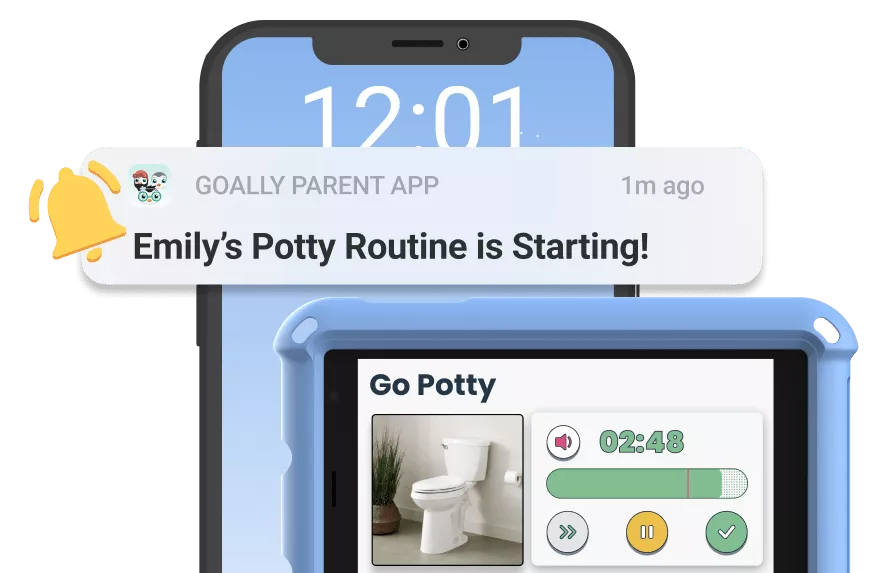
Goally is a great tool for kids with ASD who are looking to improve their life and language skills. It can be used in the home or clinic, and it is tailored to the individual needs of each child. Goally is a digital therapy and teaching assistant that can help kiddos with autism spectrum disorder (ASD). Goally can help children with a variety of tasks, including:

- Learning New Skills: Goally’s video classes helps children learn new skills, such as: how to follow directions, how to interact with peers, and how to make a sandwich.
- Increased Communication: Goally helps children effectively communicate wants and needs while also teaching them their first 50 words, allowing children to participate in the world around them.
- Behavior Management: Goally helps children manage their behavior, both in the classroom and at home by rewarding positive behaviors created by parents and teachers.
Goally’s distraction-free kid’s tablet can be used as a therapy tool to help teach executive function, language, emotional regulation, finger dexterity skills, and more!
Choosing a special education school in Massachusetts is a journey, but it’s one that can lead to incredible growth and opportunities for your child. Trust the process, ask questions, and don’t be afraid to advocate for your child’s needs. With the right school and support, your child can thrive and achieve things you might never have thought possible. I’ve seen it happen time and time again in my work, and it never fails to inspire me. You’re taking an important step by researching and considering your options carefully. Your dedication will make a world of difference in your child’s life.
Helpful Resources
- Massachusetts Department of Elementary and Secondary Education – Special Education
- Federation for Children with Special Needs
- Massachusetts Commission for the Blind
FAQ’s About Special Education Schools in MA
What are special education schools in MA?
Special education schools in MA are institutions that provide tailored education services to meet the unique needs of students with disabilities.

How do special education schools in MA support my child's learning?
These schools support learning through individualized education plans, specialized teaching methods, and additional resources like visual schedules and emotional regulation apps.

What should I look for in a special education school in MA?
Look for a school that offers personalized learning plans, has experienced staff, and provides a supportive and inclusive learning environment.

Can special education schools in MA cater to my child's specific needs?
Yes, special education schools are equipped to cater to a wide range of needs, from learning disabilities to emotional and behavioral challenges.

How can I find a reliable special education school in MA?
You can find a reliable school by researching online, visiting the school, talking to other parents, and consulting with your child's current educators or therapists.
This post was originally published on 08/08/2023. It was updated on 08/15/2024.

Emily is a seasoned blog writer for Goally, leveraging her extensive background in child psychology and special education to provide valuable insights and resources for parents. Her commitment to understanding and addressing the unique needs of these children, combined with her expertise in educational strategies, makes her a credible and empathetic voice for families.